

![[post_title]](https://samony.com.ng/wp-content/uploads/2025/12/1764671152_Appoint-retired-lilitary-officers-as-ambassadors-to-strategic-nations-Rep.jpg?lm=692EBEB0)
Should Nigeria Tap Retired Military Expertise for Strategic Ambassador Roles? A Critical Analysis
The suggestion that Nigeria should appoint retired military officers as ambassadors, particularly to nations crucial for defense cooperation, has surfaced. Representative Abdussamad Dasuki argues that their battlefield experience and understanding of military hardware acquisition would greatly benefit the country’s security objectives. It’s a proposal worth examining closely.
Nigeria undeniably faces significant security challenges. Terrorism, banditry, and insurgency plague various regions. The need for effective strategies and modern military equipment is undeniable. Dasuki’s proposition hinges on the belief that retired military personnel possess unique insights that traditional diplomats might lack. They’ve supposedly navigated the complexities of modern warfare, understand counterterrorism tactics, and can offer practical advice on defense procurement.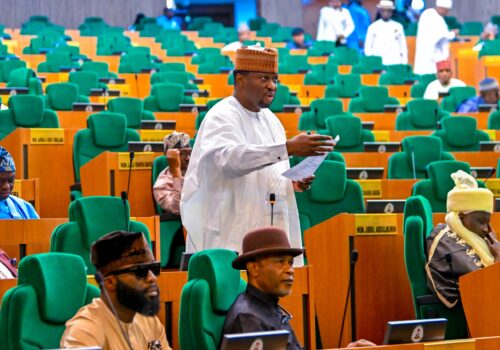 >
>
There’s a certain logic to this. These individuals have firsthand experience with the operational realities and the equipment needed. One might imagine them being more effective in negotiations for military hardware. They could offer informed strategic advice to the government at a crucial time. The argument is that this will strengthen international partnerships and secure vital equipment and intelligence.
Still, let’s consider the potential drawbacks. Diplomacy requires a nuanced approach. It’s about more than just securing military hardware. Effective ambassadors need strong diplomatic skills, cultural sensitivity, and the ability to build relationships across various sectors. Military training doesn’t necessarily guarantee these qualities. There’s also the potential for a perception of militarization of foreign policy, which could damage relationships with certain countries or international bodies.
It is worth noting that some retired military personnel might lack the specific diplomatic training and experience necessary to navigate the complexities of international relations. Their focus might be too narrowly geared towards defense and security, neglecting other crucial aspects of diplomacy, such as economic cooperation, cultural exchange, and political dialogue. Moreover, appointing military figures to diplomatic posts could be viewed negatively by some countries, potentially hindering effective cooperation and trust. >
>
Past patterns offer some insight. Nations have, at times, appointed former military leaders to ambassadorships, often during or following conflicts. The rationale is usually to leverage their expertise in security matters. But the effectiveness of such appointments has varied. It often hinges on the individual’s adaptability to a diplomatic role and their ability to broaden their perspective beyond purely military considerations.
Consider the optics, too. Appointing retired military officers might send a specific message to the international community. It could signal a prioritization of military solutions over diplomatic ones. This might not always be the most effective or desirable approach, especially in regions where de-escalation and peaceful resolutions are paramount. There is a danger the country will give off an image that it is more focused on conflict and security than it is on peace and stability.
In any case, this isn’t an either/or situation. Perhaps a blended approach is the answer. Why not include retired military officers as advisors within embassies, working alongside career diplomats? This would allow the government to tap into their expertise without compromising the diplomatic nature of the ambassadorial role. Another option would be providing specialized diplomatic training to selected retired military officers, equipping them with the necessary skills for effective representation.
This challenge requires a balanced perspective. A security-focused approach to foreign representation might be beneficial, but it shouldn’t overshadow other vital aspects of diplomacy. Nigeria’s foreign policy should reflect its diverse interests and priorities, not just its security concerns. It’s critical to evaluate potential ambassadorial candidates – whether civilian or military – based on their overall competence, diplomatic skills, and ability to represent the country effectively on all fronts.
The core question remains: how do we optimize Nigeria’s foreign policy to address its pressing security challenges while maintaining its diplomatic standing and fostering international cooperation? It involves careful consideration, strategic planning, and a willingness to adapt to the evolving global landscape.

![[post_title]](https://samony.com.ng/wp-content/uploads/2025/12/IHS-Nigeria-pushes-stronger-GBV-response-in-workplace.webp-300x171.webp?lm=692EBB10 "IHS Tackles Workplace Abuse: A Bold Stand, But Will It Change Anything?")
![[post_title]](https://samony.com.ng/wp-content/uploads/2025/12/1764670325_New-warnings-issued-as-drugs-like-Ozempic-linked-to-mood-300x200.jpeg?lm=692EBB78 "Ozempic, Mounjaro Risks Emerge: Mental Health, Contraception Concerns")
![[post_title]](https://samony.com.ng/wp-content/uploads/2025/12/1764669414_FGN-Savings-Bond-DMO-open-subscriptions-for-December-offer-300x181.png?lm=692EB7E9 "Nigeria’s FGN Savings Bond: Understanding the Latest Rates and Risks")
![[post_title]](https://samony.com.ng/wp-content/uploads/2025/12/Marital-Crisis-2Baba-needs-to-recognise-that-this-woman-is-300x162.jpg?lm=692EB8E5 "2Baba’s Career Threatened: Management Alleges Personal Life Sabotaging Global Ambitions")
![[post_title]](https://samony.com.ng/wp-content/uploads/2025/12/I-Dont-Rack-My-Head-About-The-Next-Thing-God-300x224.jpeg?lm=692EB4FE "Bishop Abioye: Ditch the Worry, This One Thing Might Actually Unlock Your Breakthroughs")
![[post_title]](https://samony.com.ng/wp-content/uploads/2025/12/1764668751_Gary-Lineker-signs-mega-money-deal-to-compete-against-BBC-300x158.jpg?lm=692EB552 "Lineker to Netflix: Inside the Shifting Sands of Sports Media Power")

![[post_title]](https://samony.com.ng/wp-content/uploads/2025/12/1764670086_Lead-recycling-companies-to-remain-sealed-until-conclusion-of-audit-1024x768.jpeg?lm=692EBA89 "Ogijo Lead Crisis: Audits Are Not Enough Without Accountability.")
![[post_title]](https://samony.com.ng/wp-content/uploads/2025/12/IHS-Nigeria-pushes-stronger-GBV-response-in-workplace.webp.webp?lm=692EBB0F "IHS Tackles Workplace Abuse: A Bold Stand, But Will It Change Anything?")
![[post_title]](https://samony.com.ng/wp-content/uploads/2025/12/1764670325_New-warnings-issued-as-drugs-like-Ozempic-linked-to-mood-1024x683.jpeg?lm=692EBB79 "Ozempic, Mounjaro Risks Emerge: Mental Health, Contraception Concerns")
