

![[post_title]](https://samony.com.ng/wp-content/uploads/2025/12/1764670086_Lead-recycling-companies-to-remain-sealed-until-conclusion-of-audit-1024x768.jpeg?lm=692EBA87)
Lead Poisoning Crisis: Scrutinizing the Response to Recycling Plant Pollution
The lead contamination situation in Ogijo, Nigeria, stemming from used lead-acid battery (ULAB) recycling, demands closer examination. The Ogun State government’s move to keep recycling plants shuttered until a complete audit concludes is a start, sparked by investigative reporting exposing widespread lead poisoning among residents and workers. It’s good they’re taking action, but the effectiveness of this response warrants a deeper look.
Following the PREMIUM TIMES/The Examination investigation, the government closed seven companies, an initial action intended to halt the immediate environmental damage. Now, these companies stay closed awaiting the results of health and environmental impact audits. The state’s Environment Commissioner, Ola Oresanya, reinforced the commitment to keeping the facilities locked until these audits deliver actionable insights. This firm stance offers a semblance of reassurance to a community living with the consequences of industrial oversight. >
>
Yet, experience suggests caution. Governmental promises often meet the hard realities of implementation. Will the audits possess the required scope, depth, and independence to uncover the true extent of the damage? It seems they are moving in the right direction, but they’ll need more people involved than originally anticipated.
Expanding the health assessment to test blood-lead levels in 300-500 residents shows the government is listening, conceding that the initial sample size of 70 was insufficient. The goal is a more accurate representation of the community’s exposure. Still, a larger sample doesn’t automatically guarantee a better understanding. The testing’s thoroughness and how they interpret the results are equally critical.
The involvement of both state environmental protection agencies, OGEPA and LASEPA, to jointly oversee the process audit presents another layer of scrutiny. This partnership hints at a collaborative effort, but it will be important to watch for accountability. We need to see transparency in how both agencies work together and to what extent their conclusions are subject to influence.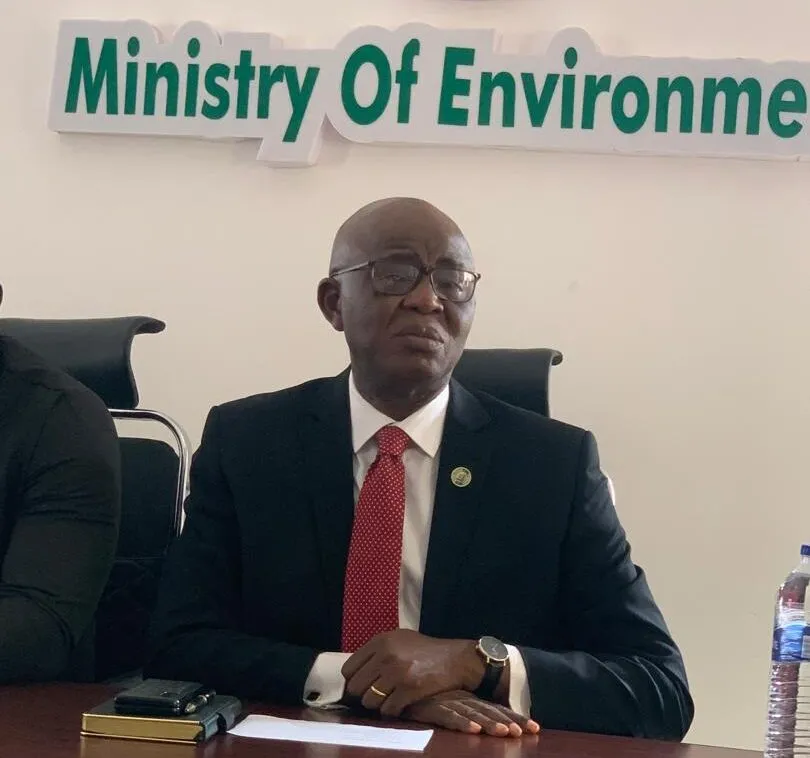 >
>
What’s encouraging is the participation of experts from Olabisi Onabanjo University (OOU), the Federal University of Agriculture, Abeokuta (FUNAAB), and the University of Lagos (UNILAG). These academics volunteering their expertise could bring objectivity to the environmental impact audit. Their plan to collect samples of water, air, soil, and vegetation in Ogijo and surrounding areas demonstrates a scientific approach.
However, relying on volunteers also poses questions. Are these academics truly independent? Do they have sufficient resources to conduct such a large-scale environmental audit effectively? Conflicts of interest, even unintentional ones, must be acknowledged and addressed.
The Commissioner’s insistence on immediate action at the end of the stakeholder meeting reveals a sense of urgency. While decisive action is vital, haste can compromise thoroughness. Rushing the audits could lead to overlooking vital details and, consequently, ineffective remediation strategies.
The government is clear: no facility reopens until all audit reports come in, covering health, processes, and environment. This all-encompassing approach sounds promising. The true test rests on what those reports reveal and how the government acts on those findings.
The focus now shifts to what happens after the audits. What specific measures will they enforce to remediate contaminated land and water? How will they provide healthcare to poisoned residents, especially children? Will they create and maintain robust monitoring systems to prevent future pollution incidents? How will they handle penalizing the companies found responsible?
The long-term effectiveness of the response hinges on addressing these challenges. Regulatory failure allowed this to happen; regulatory strength must prevent it from repeating.
This situation mirrors similar industrial pollution scenarios I’ve seen unfold in the past. The initial outrage and promises of change often fade as time passes, replaced by complacency and bureaucratic delays. It’s my hope, informed by past experiences, that this time will be different. Ogun State must ensure a safe and healthy environment for its citizens, not just in the immediate aftermath of this crisis, but for the long run. This is more than just sealing factories. It’s about environmental justice and public health. It’s about holding polluters accountable and protecting communities from future harm.
The lead poisoning crisis in Ogijo is an alarming wake-up call. The government’s response, while a step in the right direction, requires sustained commitment, rigorous oversight, and a transparent, inclusive process. We must hold them accountable to ensure that Ogijo’s residents receive the justice and environmental protection they deserve.

![[post_title]](https://samony.com.ng/wp-content/uploads/2025/12/1764670325_New-warnings-issued-as-drugs-like-Ozempic-linked-to-mood-300x200.jpeg?lm=692EBB76 "Ozempic, Mounjaro Risks Emerge: Mental Health, Contraception Concerns")
![[post_title]](https://samony.com.ng/wp-content/uploads/2025/12/1764669414_FGN-Savings-Bond-DMO-open-subscriptions-for-December-offer-300x181.png?lm=692EB7E9 "Nigeria’s FGN Savings Bond: Understanding the Latest Rates and Risks")
![[post_title]](https://samony.com.ng/wp-content/uploads/2025/12/Marital-Crisis-2Baba-needs-to-recognise-that-this-woman-is-300x162.jpg?lm=692EB8E5 "2Baba’s Career Threatened: Management Alleges Personal Life Sabotaging Global Ambitions")
![[post_title]](https://samony.com.ng/wp-content/uploads/2025/12/I-Dont-Rack-My-Head-About-The-Next-Thing-God-300x224.jpeg?lm=692EB4FE "Bishop Abioye: Ditch the Worry, This One Thing Might Actually Unlock Your Breakthroughs")
![[post_title]](https://samony.com.ng/wp-content/uploads/2025/12/1764668751_Gary-Lineker-signs-mega-money-deal-to-compete-against-BBC-300x158.jpg?lm=692EB552 "Lineker to Netflix: Inside the Shifting Sands of Sports Media Power")
![[post_title]](https://samony.com.ng/wp-content/uploads/2025/12/1764668360_How-MAGA-senators-new-bill-could-directly-impact-Melania-and-300x200.jpg?lm=692EB3CB "Moreno’s “Exclusive Citizenship Act” Sparks Debate Over Dual Allegiance in America")

![[post_title]](https://samony.com.ng/wp-content/uploads/2025/12/IHS-Nigeria-pushes-stronger-GBV-response-in-workplace.webp.webp?lm=692EBB0D "IHS Tackles Workplace Abuse: A Bold Stand, But Will It Change Anything?")
![[post_title]](https://samony.com.ng/wp-content/uploads/2025/12/1764670325_New-warnings-issued-as-drugs-like-Ozempic-linked-to-mood-1024x683.jpeg?lm=692EBB77 "Ozempic, Mounjaro Risks Emerge: Mental Health, Contraception Concerns")
![[post_title]](https://samony.com.ng/wp-content/uploads/2025/12/1764669414_FGN-Savings-Bond-DMO-open-subscriptions-for-December-offer-1024x619.png?lm=692EB7EA "Nigeria’s FGN Savings Bond: Understanding the Latest Rates and Risks")
