

Nigeria’s Economic Trajectory: A Cautious Look at the S&P Upgrade
S&P Global Ratings recently shifted Nigeria’s credit outlook from stable to positive, while holding steady at a ‘B-/B’ rating. This has sparked considerable discussion about the direction of the Nigerian economy. The upgrade seemingly hinges on confidence in President Tinubu’s reforms. These reforms tackle fiscal, monetary, and economic issues, and aim to bolster macroeconomic indicators, international standing, and growth opportunities.
The anticipated average growth of 3.7% between 2025 and 2028 excites many, fueled by increased oil production and amplified private sector optimism. We’re also hearing predictions of gradually declining inflation. The optimism is contagious. It’s a welcome change from the grim forecasts we’ve been seeing.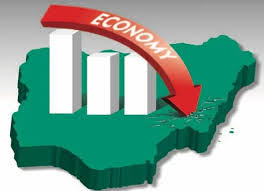 >
>
Yet, let’s not get carried away. I’ve seen these patterns before. A “positive outlook” doesn’t automatically equal a booming economy overnight. We need to look beyond the headlines and dig into the specifics.
Nigeria has demonstrated resilience, no doubt. This resilience is despite challenges such as low GDP per capita, crippling debt service costs, and stubbornly high inflation, which has hovered above 20%. On the flip side, improvements in foreign reserves, a more stable Naira exchange rate, and removal from the Financial Action Task Force (FATF) grey list have noticeably boosted investor confidence and foreign inflows. These factors offer a more encouraging backdrop. It is a good start.
Still, S&P isn’t blind to the potential pitfalls. They rightfully acknowledged existing structural economic weaknesses and the inherent risks associated with implementing these ambitious reforms. Should conditions worsen, that positive outlook could quickly revert to stable. In short, while progress is evident, the road ahead is far from guaranteed. It may be tempting to see only the reward.>
The big question on everyone’s mind: how will this upgrade actually impact Nigeria? The immediate assumption is that it will lower Nigeria’s risk premium, thus reducing borrowing costs on future debt issuances, both domestically and internationally. It could attract investors and tighten bond yields. Indeed, in the past, improved perceptions of reform credibility have led to bond spread compression and higher returns for Nigerian sovereign bonds following similar positive signals.
However, here’s where my skepticism kicks in. I expect any immediate benefits to be modest. The weight of persistent high inflation, the government’s tight monetary policy, and elevated benchmark yields (around 17-27% on local bonds) aren’t going to disappear overnight. These factors continue to exert significant pressure. Any celebration needs to be tempered with a dose of reality.
It’s worth noting the inherent limitations of relying solely on credit rating agencies. They offer an opinion, not a crystal ball. Their assessments lag behind real-time market dynamics and can be influenced by factors outside the immediate economic landscape. We must avoid becoming overly reliant on them for our understanding of Nigeria’s economic health.
Looking ahead, the critical factor to monitor is the actual implementation and success of these economic reforms. Empty promises and policy U-turns have hampered Nigeria’s progress for decades. The government must display unwavering commitment and consistency in executing its plans. The ability to curb inflation remains paramount. Failure here could derail even the most optimistic projections.
Moreover, Nigeria needs to diversify its economy beyond oil. While increased oil production is good news, over-reliance on a single commodity leaves the nation vulnerable to global price fluctuations and demand shifts. Investing in other sectors, like agriculture, technology, and manufacturing, is crucial for long-term sustainable growth. That’s where Nigeria’s future truly lies.
This challenge also extends to human capital development. Investing in education, skills training, and healthcare is essential to unlock the full potential of Nigeria’s workforce. A healthy, educated population is better equipped to drive innovation, attract investment, and contribute to economic prosperity.
To that end, Nigeria’s economic progress hinges on more than just impressive pronouncements and ratings upgrades. We require tangible improvements in the lives of ordinary Nigerians. It is about job creation, poverty reduction, and improved access to basic services. If the reforms fail to translate into real-world benefits for the average citizen, the positive outlook will ring hollow.
Given these facts, I’d suggest a cautious but optimistic outlook on Nigeria’s economic trajectory. The S&P upgrade represents a step in the right direction. Yet, it is just one step. The government must stay focused, committed, and accountable. It must deliver on its promises and create a stable, diversified, and inclusive economy that benefits all Nigerians. Only then can we truly celebrate a sustainable positive outlook.

![[post_title]](https://samony.com.ng/wp-content/uploads/2025/12/1764618150_Raisin-Savings-Bonus-Offer-Pays-Cash-Each-Quarter-300x169.jpg?lm=692DEFA9 "Raisin’s Quarterly Bonus: Is This Savings Deal Right For You?")
![[post_title]](https://samony.com.ng/wp-content/uploads/2025/12/A-Lot-Happened-From-The-Red-Card-To-The-Goal-300x180.jpeg?lm=692DEBC0 "Mikel Obi dissects Chelsea’s tactical evolution under Maresca after Arsenal draw.")
![[post_title]](https://samony.com.ng/wp-content/uploads/2025/12/1764617215_Kylie-Minogue-talks-risque-Office-Party-as-she-overtakes-Mariah-300x158.jpg?lm=692DEC02 "Kylie’s Christmas Campaign: Pop, Virality, and Festive Ambition")
![[post_title]](https://samony.com.ng/wp-content/uploads/2025/12/Malami-calls-EFCC-allegations-on-Abacha-loot-baseless-300x233.jpg?lm=692DEA1F "Abacha Loot Fight: Is This About Justice, or Something Else?")


![[post_title]](https://samony.com.ng/wp-content/uploads/2025/12/1764618292_Start-life-all-over-again-with-3K-Mother-of-two-1024x535.jpg?lm=692DF037 "Rebuilding After “I Do”: The Unspoken Realities of Modern Marriage and Divorce")
![[post_title]](https://samony.com.ng/wp-content/uploads/2025/12/MKBHD-is-taking-down-his-wallpaper-app-1024x539.png?lm=692DF067 "Panels: Creator Tech’s Hard Lessons")
![[post_title]](https://samony.com.ng/wp-content/uploads/2025/12/1764618150_Raisin-Savings-Bonus-Offer-Pays-Cash-Each-Quarter-1024x576.jpg?lm=692DEFA9 "Raisin’s Quarterly Bonus: Is This Savings Deal Right For You?")
