

Netflix Restricts Casting: A Calculated Move or a Risky Gamble?
Netflix’s recent decision to limit Google Cast support raises some interesting questions about the future of streaming and content accessibility. If you haven’t been able to easily fling Stranger Things to your TV from your phone, you aren’t alone. The streaming giant has intentionally scaled back casting functionality, primarily affecting users on cheaper plans or those with newer streaming devices.
This shift echoes a similar move years ago when Netflix severed ties with Apple AirPlay. At the time, it seemed like a spat with Apple. But now, a pattern emerges. Are these isolated incidents, or do they signal a broader strategy? Let’s consider the potential motivations.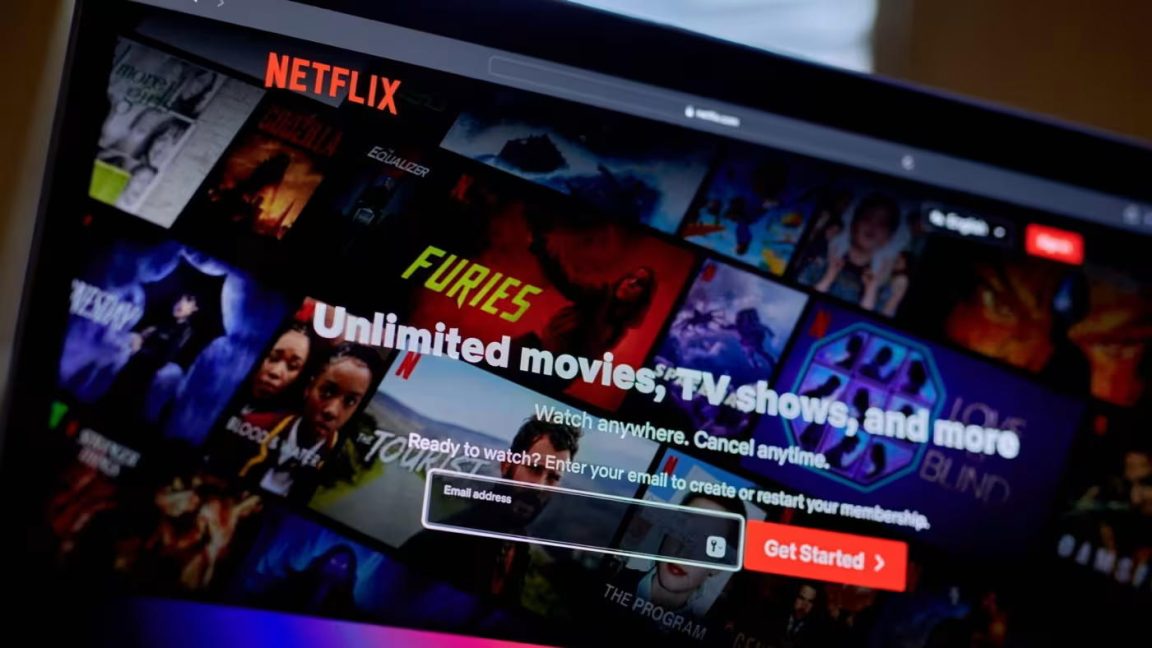 >
>
On the surface, Netflix cites a desire to ensure users experience the service as intended. Casting was initially vital for devices lacking remotes or interfaces, mainly early Chromecasts. Today, most TVs boast native Netflix apps. So the official line is that casting is largely redundant. But is that the whole story?
The reality is likely more nuanced. One obvious driver is revenue. By restricting casting to premium, ad-free tiers, Netflix incentivizes upgrades. The $8 ad-supported plan offers limited casting functionality, nudging users towards the pricier $18 option. It is a classic upsell tactic, repackaged for the streaming age. Still, will it work?
Password sharing also plays a role. Netflix’s crackdown on shared accounts is well-documented. Casting, especially to different locations, could be seen as a loophole, allowing users to skirt the rules. Limiting its availability tightens control over viewing habits and revenue streams. I can see how they arrived at this conclusion, but it’s also a risk.>
Impact on Users and the Industry
The impact on consumers is immediate. Those who rely on casting, especially budget-conscious users, will likely find the change frustrating. It might encourage some to seek alternatives, whether that’s subscribing to a different service or dusting off older devices with casting capabilities. In fact, it’s making my old Chromecast look pretty good right now!
Yet, the implications extend beyond individual users. Netflix’s move has the potential to reshape how other streaming platforms approach casting and content distribution. Will others follow suit, prioritizing control and revenue over convenience? It depends. If Netflix sees a significant boost in premium subscriptions, others will undoubtedly take notice.
Potential Downsides and Counterarguments
There are potential downsides to this strategy. Alienating users, even those on cheaper plans, could backfire. The streaming landscape is fiercely competitive, and consumers have more choices than ever before. Pushing them too hard could drive them to rival services.
Also, casting can still be useful in a variety of situations. Think about hotels, vacation rentals, or even just quickly sharing a video with friends on a different TV. Removing this flexibility creates a less user-friendly experience.
It’s also worth thinking about accessibility. For some users, casting is the easiest way to navigate Netflix on their TVs. While Netflix has made accessibility improvements, some argue that limiting casting makes it harder for certain users to enjoy the service.
A Long-Term View
Netflix’s decision is undoubtedly a calculated one. They have trod similar grounds before. It’s a move that reflects the ongoing tension between user experience, revenue generation, and content control in the streaming industry. Whether it will pay off in the long run remains to be seen.
The rise of dedicated streaming devices like Apple TV and Roku poses a challenge. People expect a seamless experience between their phones, tablets, and TVs. Undermining features like casting could push users toward these platforms, which provide a more integrated ecosystem.
The company’s long game likely involves further consolidation of its platform. By tightly controlling how content is accessed, Netflix can gather more data, refine its algorithms, and ultimately deliver a more personalized (and profitable) experience.
It’s a delicate balancing act, but one thing is for sure: the streaming wars are far from over. And decisions like this will inevitably shape the battleground. This challenge for Netflix is to convince subscribers to pay more for fewer features without leaving for greener pastures. Let’s wait and see what happens.

![[post_title]](https://samony.com.ng/wp-content/uploads/2025/12/1764614482_How-to-Grow-Your-Earnings-Effectively-300x200.jpg?lm=692DE155 "College Athletes Are Getting Paid: Here’s How Not to Blow It")
![[post_title]](https://samony.com.ng/wp-content/uploads/2025/12/Reality-TV-Star-Masika-Kalysha-Faces-Backlash-Over-New-Relationship-300x225.jpeg?lm=692DE1A2 "Masika Kalysha: Grief, Relationships, and Reality TV Scrutiny")
![[post_title]](https://samony.com.ng/wp-content/uploads/2025/12/1764613707_Anita-Joseph-suffered-stilbirth-domestic-violence-Stella-Dimokokorus-300x157.jpg?lm=692DDE4F "Anita Joseph Marriage Drama: What’s Really Going On?")

![[post_title]](https://samony.com.ng/wp-content/uploads/2025/12/1764613296_The-Tennessee-race-that-has-Donald-Trump-scared-Does-it-300x200.jpeg?lm=692DDCB4 "Tennessee’s Election: Gauging Trump’s Grip on a Shifting Electorate")
![[post_title]](https://samony.com.ng/wp-content/uploads/2025/12/Jane-Osuji-Emerges-As-First-Female-Spokesperson-Of-The-Nigerian.jpg?lm=692DDD33 "Osuji’s Appointment: Inclusion, Image, and Impact on Nigerian Corrections")

![[post_title]](https://samony.com.ng/wp-content/uploads/2025/12/Cancer-patient-laments-poor-working-conditions-facilities-at-Abuja-hospital.jpeg?lm=692DE34C "Nigeria’s Cancer Crisis: Patient Video Exposes Under-Resourced Care and Urgent Needs")
![[post_title]](https://samony.com.ng/wp-content/uploads/2025/12/1764614482_How-to-Grow-Your-Earnings-Effectively-1024x681.jpg?lm=692DE156 "College Athletes Are Getting Paid: Here’s How Not to Blow It")
![[post_title]](https://samony.com.ng/wp-content/uploads/2025/12/Reality-TV-Star-Masika-Kalysha-Faces-Backlash-Over-New-Relationship.jpeg?lm=692DE1A1 "Masika Kalysha: Grief, Relationships, and Reality TV Scrutiny")
