

![[post_title]](https://samony.com.ng/wp-content/uploads/2025/12/1764595091_Furious-gig-goers-demand-refunds-for-rip-off-event-theyve-branded-1024x538.jpg?lm=692D9593)
Concert Chaos: When Live Music Events Fall Flat and Fans Demand Refunds
Music fans are angry, and for good reason. A recent Heather Small gig in Manchester left attendees fuming, highlighting a growing problem in the live music industry: events that don’t deliver on their promises. This isn’t an isolated incident; it speaks to larger trends affecting both artists and audiences.
The Daily Star reports that concert-goers shelled out over £40 for a performance that was short, late, and seemingly reliant on pre-recorded tracks. People waited for hours, only to receive a mere 25 minutes of music. That’s a tough pill to swallow, no matter how much you love the artist.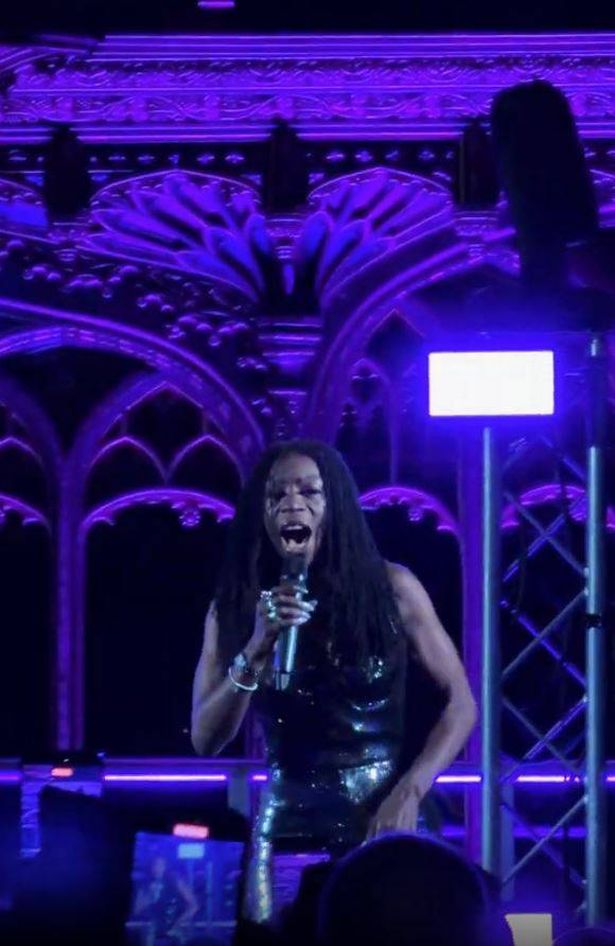 >
>
What’s going on here? Let’s unpack this a bit.
First, we have to acknowledge the economic pressures squeezing the music industry. Artists face shrinking revenue streams from recorded music. Live performances become increasingly crucial for their livelihood. This creates an incentive to tour frequently, sometimes stretching resources and potentially leading to compromises on quality.
Yet, that’s not an excuse for what appears to be a significant misrepresentation of the event. Selling a concert experience implies a certain standard of performance, length, and overall production value. When that expectation isn’t met, it damages the artist’s reputation and erodes audience trust.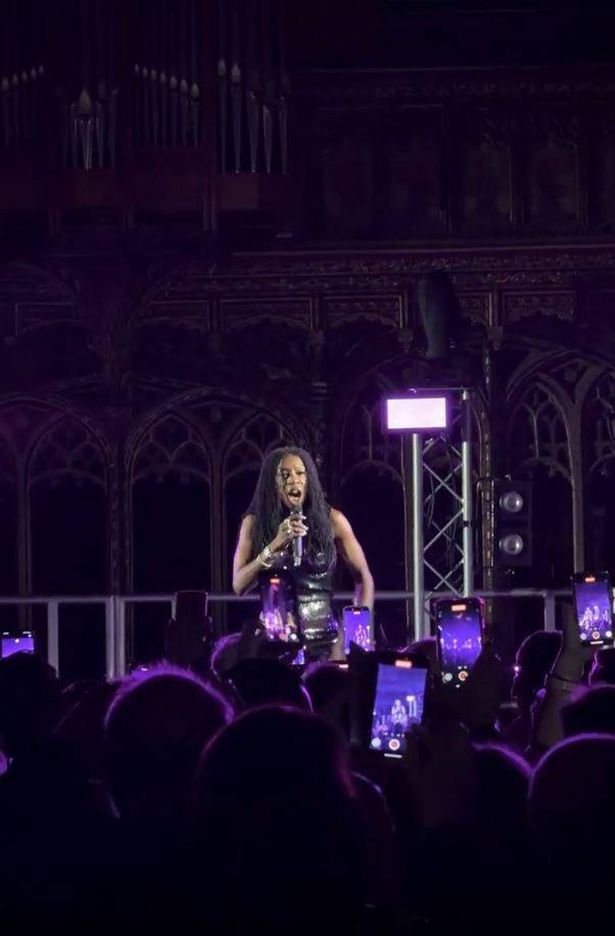 >
>
I’ve seen this pattern before. A name artist agrees to do a show, but the organization is cheap or inexperienced and is unable to meet fan’s expectations. Sometimes, it’s a cash grab disguised as a legitimate concert. The organizer cuts corners, hoping no one will notice until after they’ve cashed in. Other times, it’s simply a lack of planning and communication that fans end up paying for.
What can be done? Well, concert-goers have a right to voice their displeasure. Demanding refunds, as these furious fans are doing, is a valid form of protest. It sends a clear message to promoters and artists alike: deliver what you promise, or face the consequences.
It’s also vital that consumers do their research. Check out reviews and fan forums before buying tickets. See what others are saying about the artist’s recent performances and the promoter’s track record. A little homework can save you a lot of disappointment.
Here’s a wrinkle to consider: the role of venues. Manchester Cathedral, a beautiful and historic space, might not be ideally suited for a modern pop concert. Balancing the atmosphere with the technical requirements of a live show can be a challenge. The Daily Star mentions an in-house DJ playing music incongruent with the target audience, which just demonstrates how the event seems like a mismatch.
It’s worth noting that fans in this situation don’t seem to place blame on Heather Small, but on the event organizers. It does raise questions about artist control and responsibility. Artists need to ensure that promoters are aligned with their vision and committed to providing a quality experience for the fans. Otherwise, the artist’s brand can suffer.
This challenge extends beyond individual events. It touches upon the broader health of the live music ecosystem. If fans feel consistently ripped off, they’ll be less likely to spend their money on concerts in the future. That hurts everyone involved, from emerging artists to established stars.
The article also highlights the importance of clear communication. One fan complained about being denied re-entry after stepping out for food, indicating a lack of transparency regarding venue policies. Such details, while seemingly minor, can significantly impact the overall concert experience.
The rise of social media amplifies these issues. Dissatisfied fans can quickly share their experiences, creating a ripple effect that can damage an artist’s or promoter’s reputation. In today’s digital age, transparency and accountability are more important than ever.
Looking ahead, the live music industry needs to prioritize quality over quantity. That means investing in proper production, ensuring fair compensation for artists, and communicating openly with fans. It also means taking responsibility when things go wrong and offering appropriate redress.
Still, I remain cautiously optimistic. The passion for live music endures. Audiences crave authentic experiences and connection with their favorite artists. If the industry can learn from these missteps and adapt to meet the evolving expectations of fans, the future of live music can be bright.
So, what’s the takeaway? These refund demands aren’t just about one bad gig. They’re a symptom of a deeper need for greater transparency, accountability, and respect for the fans who keep the music alive. The industry needs to listen – and act – before it’s too late.

![[post_title]](https://samony.com.ng/wp-content/uploads/2025/12/1764594761_Samsunsporda-sari-kart-alarmi-2-oyuncu-Alanyaspor-maci-oncesi-risk-300x169.jpg?lm=692D944C "Samsunspor’s High-Stakes Card Game: Weighing Immediate Gain Against Future Showdowns")
![[post_title]](https://samony.com.ng/wp-content/uploads/2025/12/1764594330_Johnny-Fisher-vs-Herbert-Matovu-start-time-undercard-and-how-300x200.jpeg?lm=692D929D "Johnny Fisher’s Monte Carlo Fight: Rebuilding, Branding, and Boxing Business")
![[post_title]](https://samony.com.ng/wp-content/uploads/2025/12/Breaking-Governor-Adeleke-Imposes-24-Hour-Curfew-on-Igbajo.jpg?lm=692D9133 "Igbajo Curfew: Unveiling Osun’s Underlying Tensions")
![[post_title]](https://samony.com.ng/wp-content/uploads/2025/11/1763808930_Administration-a-crumbling-ground-and-4-points-Sheffield-Wednesday-fans-300x200.jpg?lm=692196A4 "Sheffield Wednesday’s Nightmare: What’s Really at Stake for Football’s Future?")
![[post_title]](https://samony.com.ng/wp-content/uploads/2025/12/1764593275_Braless-naked-dress-trend-explained-as-celebrities-dare-to-bare-300x158.jpg?lm=692D8E7E "Naked Dresses: Trend or Tipping Point for Fashion?")
![[post_title]](https://samony.com.ng/wp-content/uploads/2025/12/Complaints-about-Windows-11s-fix-for-File-Explorer-sluggishness-are-300x169.jpeg?lm=692D8C93 "Windows 11 File Explorer: Finally Faster, But At What Cost?")

![[post_title]](https://samony.com.ng/wp-content/uploads/2025/12/Defamation-Court-grants-FGs-request-to-shift-Natashas-trial-till-1024x540.jpg?lm=692D9530 "Akpoti-Uduaghan Defamation Trial Delayed Amid Political Interference Claims")
![[post_title]](https://samony.com.ng/wp-content/uploads/2025/12/1764594761_Samsunsporda-sari-kart-alarmi-2-oyuncu-Alanyaspor-maci-oncesi-risk-1024x576.jpg?lm=692D944D "Samsunspor’s High-Stakes Card Game: Weighing Immediate Gain Against Future Showdowns")
![[post_title]](https://samony.com.ng/wp-content/uploads/2025/12/1764594330_Johnny-Fisher-vs-Herbert-Matovu-start-time-undercard-and-how-1024x682.jpeg?lm=692D929E "Johnny Fisher’s Monte Carlo Fight: Rebuilding, Branding, and Boxing Business")
