

![[post_title]](https://samony.com.ng/wp-content/uploads/2025/12/1764591206_Rubens-painting-of-crucifixion-fetches-2m-at-auction-in-Versailles-1024x683.jpg?lm=692D8668)
Lost Rubens Masterpiece Found and Sold: What Does it Mean for the Art Market?
A Peter Paul Rubens painting, “The Crucifixion,” surfaced after centuries in obscurity, fetching a cool €2.3 million at a recent Versailles auction. The story itself is compelling: a misattributed artwork, initially valued in the five-figure range, unmasked as a genuine Rubens. This discovery raises fascinating questions about art valuation, authentication, and the enduring allure of Old Masters in the modern market.
The art market thrives on narrative. This Rubens painting has a great one: a hidden masterpiece, rediscovered and authenticated, driving significant interest. This begs the question: was the final price driven by genuine artistic merit, the allure of the “lost and found” story, or a potent combination? There’s always inherent risk in buying art, but the market loves a good story that it can promote.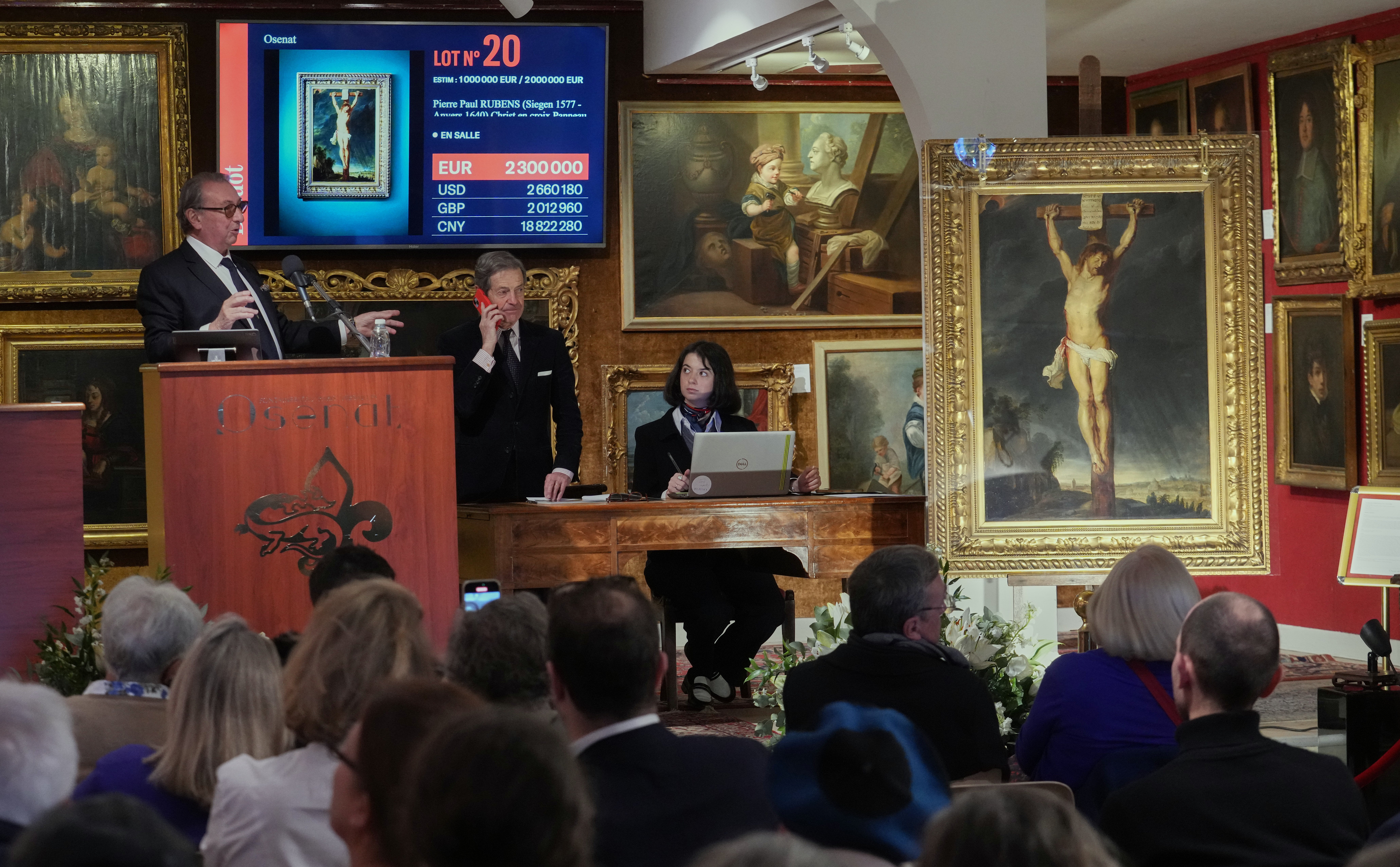 >
>
The authentication process is noteworthy. Jean-Pierre Osenat’s “hunch,” leading to verification by the Rubenianum in Antwerp, spotlights the critical role of expert opinion. Scientific analysis, revealing pigment usage consistent with Rubens’ technique, adds another layer of validation. Still, the art world deals in probabilities, not certainties. The value assigned to an artwork hinges on these assessments, and even the most meticulous examination leaves room for doubt.
It’s worth considering the implications for other “misattributed” works. Could this sale trigger a surge in re-evaluations, as collectors dust off pieces previously deemed unremarkable, hoping to uncover another hidden gem? Possibly. But keep in mind that this kind of lightning striking twice is rare. Each case demands rigorous scrutiny, and not every hunch pans out.
The painting’s provenance plays a part in its appeal. Its past ownership by 19th-century painter William Bouguereau adds to its historical significance. Provenance, the documented history of an artwork’s ownership, is a powerful tool in establishing authenticity and boosting value. Yet, even a strong provenance can’t override questions about the artwork’s physical attributes.>
What about the market for religious art? Rubens’ crucifixion scene, depicting a dead Christ with blood and water emanating from his side, is unique within his oeuvre. This uncommon portrayal likely bolstered its appeal to collectors seeking rarity and distinctiveness. That said, the broader market for religious art ebbs and flows, impacted by cultural shifts and evolving tastes.
The auction house, Osenat, deserves credit for its handling of this discovery. They appear to have invested resources in the authentication process and effectively communicated the painting’s story to potential buyers. A well-managed auction can dramatically influence the final price, creating a sense of competition and urgency.
There’s a broader context to this story. The art market, particularly for Old Masters, is increasingly globalized. Buyers from around the world compete for prized works, driving up prices and making authentication even more critical. This trend also puts pressure on institutions and private collectors to make these works accessible to the public through exhibitions and online resources.
Given these facts, is this sale a sign of a broader resurgence in the Old Masters market? It’s too early to say definitively. Single sales, however spectacular, don’t necessarily indicate a long-term trend. Market sentiment is fickle and subject to a range of influences, including economic conditions, collector preferences, and the availability of quality works.
This challenge remains: to what extent does hype or marketing influence perceptions of value. Is it just a case of people paying what they’re willing to pay, or is there something deeper? While difficult to measure, this aspect can often play a part in the perceived worth of an artist’s work.
Still, this Rubens sale underscores the enduring power of art to captivate and inspire. It serves as a reminder that masterpieces can lie hidden for centuries, waiting to be rediscovered and appreciated anew. It also highlights the importance of connoisseurship, scientific analysis, and diligent research in unlocking the secrets of the past.
In any case, this rediscovered Rubens will likely find its way into a prominent collection, either private or institutional, where it can be studied and enjoyed by future generations. Its story will continue to evolve, adding to the rich tapestry of art history. Its journey from obscurity to auction triumph is a fascinating chapter in that ongoing narrative.
To that end, the rediscovery and sale of this Rubens painting serves as a reminder that the art market is a complex and dynamic ecosystem. It’s driven by a combination of factors, including artistic merit, historical significance, provenance, market sentiment, and plain old luck. Navigating this landscape requires expertise, diligence, and a healthy dose of skepticism.


![[post_title]](https://samony.com.ng/wp-content/uploads/2025/12/1764589596_Premium-Bonds-savers-urged-to-check-numbers-as-December-prize-300x158.gif?lm=692D801F "December Premium Bond Winners: Luckiest Savers, or Clever Strategy?")
![[post_title]](https://samony.com.ng/wp-content/uploads/2025/12/1764589899_Why-KTM-would-be-wise-to-prepare-for-a-future-300x200.jpg?lm=692D814E "Decoding Acosta’s Dilemma: A Champion’s Crossroads in MotoGP’s Evolving Landscape")
![[post_title]](https://samony.com.ng/wp-content/uploads/2025/12/1764588859_11-Cities-With-the-Cheapest-Groceries-in-the-US-300x169.jpg?lm=692D7D3E "Cheapest Groceries? The Hidden Cost of “Affordable” Cities")
![[post_title]](https://samony.com.ng/wp-content/uploads/2025/12/If-Okpebholo-starts-violence-hell-reap-violence-I-wont-fold-300x150.jpg?lm=692D7D58 "Edo Politics: Obaseki Accuses Successor, Warns of Violence")



![[post_title]](https://samony.com.ng/wp-content/uploads/2025/12/1764589596_Premium-Bonds-savers-urged-to-check-numbers-as-December-prize-1024x538.gif?lm=692D8020 "December Premium Bond Winners: Luckiest Savers, or Clever Strategy?")
