

![[post_title]](https://samony.com.ng/wp-content/uploads/2025/12/1764576532_I-woke-up-naked-in-the-desert-and-survived-for-1024x538.jpg?lm=692D4D14)
Lost in the Outback: Analyzing Ricky Megee’s Survival Story and the Industry of Human Resilience
Ricky Megee’s story is remarkable: drugged, abandoned naked in the Australian Outback, and surviving for 71 days. This tale of endurance captures our imagination, but it also prompts a closer look at how we consume stories of survival and resilience. Is it possible to survive in one of the most uninhabitable environments on earth?
Megee’s ordeal, as recounted, involves a series of unfortunate events. One version points to car trouble. Another suggests he offered a ride to a hitchhiker who then drugged him. In another version, Megee claims he was abducted by three men, robbed, and left in a shallow grave. When he awoke, he narrowly escaped the jaws of wild dogs. Each version creates a narrative web, but none has been proven.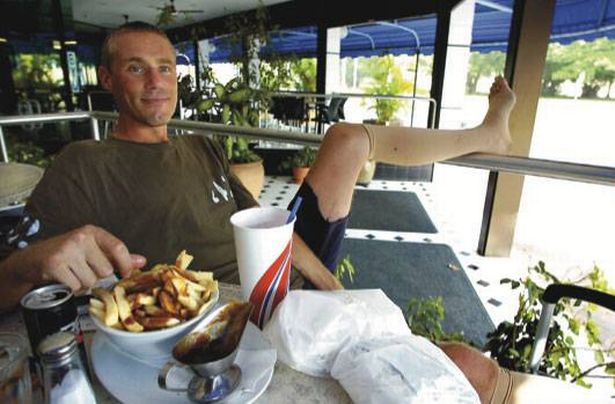 >
>
The story certainly has dramatic appeal. He battled heat, dehydration, and hunger, resorting to eating insects, snakes, and even leeches to stay alive. He reportedly removed an infected tooth using only his car keys. When discovered, he had lost a considerable amount of weight. It’s a visceral image – the ultimate fight for survival.
Yet, it is worth pondering whether Megee’s narrative has inconsistencies, or if skepticism around his story is warranted. Accounts indicate Megee adjusted details over time. Police were also skeptical. This invites a deeper investigation: Why do such inconsistencies arise? Do they invalidate the core experience, or are they simply the product of trauma and time?
Beyond the specifics of Megee’s account, this case highlights a growing industry: survival narratives. Books, movies, and documentaries capitalize on our fascination with human resilience. “I woke up naked in the desert” is a gripping headline. We are drawn to these stories. They reinforce the idea that with enough grit and determination, one can overcome any obstacle.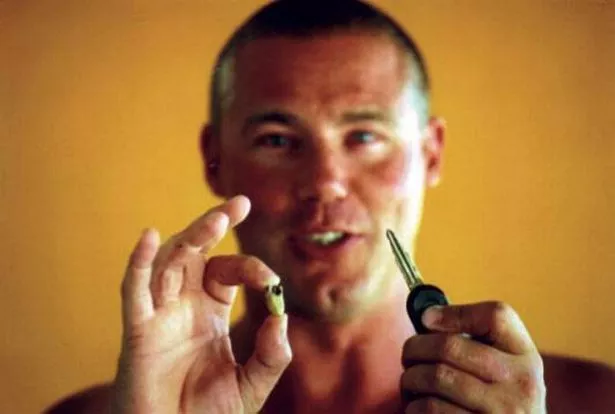 >
>
Still, there’s a potential pitfall. Simplified portrayals of survival can minimize the role of luck, environment, and pre-existing knowledge. Les Hiddins, an outback survival expert, notes that survival is possible, especially during the rainy season when water is more accessible. Was Megee resourceful, lucky, or both?
The key takeaway is that Megee’s case serves as a reminder. It highlights that such stories need careful evaluation. It’s tempting to blindly accept these accounts, especially when they tap into our desire for inspiration. But, what if Megee’s survival wasn’t quite as extreme as it seemed? What if there were other factors at play that aren’t revealed in the narrative?
The ambiguity is understandable. We, as humans, interpret an experience differently based on our memories, emotions, and the pressure to create a compelling story. But this is where critical thinking becomes crucial. We must consider the source, scrutinize the details, and acknowledge the complexities of human memory and storytelling.
Looking at the survival genre, we can see a pattern. It’s about more than just the individual’s experience; it’s about crafting a marketable narrative. The editing, the dramatic music, the close-up shots of suffering – all contribute to a polished product. What do these tactics do to the truth? It is hard to know for sure.
Even with questions lingering, the core theme resonates: the will to live is a powerful force. Megee himself believes his survival has a greater purpose, and he aspires to work in aid in Africa. That aspiration, regardless of the exact details of his journey, speaks to the enduring human capacity for hope and resilience.
So, what can we learn from this story? The incident underscores the importance of critical engagement with survival narratives. They provide insight into the human spirit, but they also need context. Instead of simply marveling at the sensational aspects, we should examine the complexities, the potential for exaggeration, and the broader industry that profits from our fascination with extreme survival.
The industry of survival stories will continue to grow. The more we understand the dynamics at play, the better equipped we’ll be to separate the truth from the hype and glean genuine insights from these captivating accounts. It’s about appreciating the human will to persevere while also recognizing the limitations and potential biases inherent in the stories we tell ourselves.

![[post_title]](https://samony.com.ng/wp-content/uploads/2025/12/Ive-Seen-Corruption-In-This-Budget-Ayodele-Breaks-Silence-Reveals-What-300x200.jpeg?lm=692D4D67 "Nigeria Budget: Prophecy or Politics Fueling Corruption Fears?")
![[post_title]](https://samony.com.ng/wp-content/uploads/2025/12/1764576654_BBC-programmes-abruptly-taken-off-air-as-staff-flee-after-300x158.jpg?lm=692D4D8F "BBC Scotland Fire: What It Really Means for the Future of News")

![[post_title]](https://samony.com.ng/wp-content/uploads/2025/12/Mr-PresidentNorth-Is-BleedingI-Toured-Entire-CountryI-Just-Finished-Tour-300x200.jpeg?lm=692D462E "Northern Nigeria Insecurity: Beyond Military Might, Rebuilding Trust and Opportunity")
![[post_title]](https://samony.com.ng/wp-content/uploads/2025/12/1764574906_My-lover-promised-me-hed-stopped-sleeping-with-his-wife-300x158.jpg?lm=692D46BB "Decoding Modern Relationship Patterns: Lessons from the Advice Column Front Lines")
![[post_title]](https://samony.com.ng/wp-content/uploads/2025/12/1764575847_Aitana-Bonmati-breaks-leg-in-training-as-Spain-dealt-huge-300x200.jpeg?lm=692D4A68 "Aitana Bonmati Injury: Exposing the Demands and Future of Women’s Football")

![[post_title]](https://samony.com.ng/wp-content/uploads/2025/12/US-asylum-seekers-Trump-stop-all-asylum-claim-decision-afta.jpg?lm=692D4CC5 "Trump’s Asylum Policy: Crisis and Control")
![[post_title]](https://samony.com.ng/wp-content/uploads/2025/12/Ive-Seen-Corruption-In-This-Budget-Ayodele-Breaks-Silence-Reveals-What.jpeg?lm=692D4D66 "Nigeria Budget: Prophecy or Politics Fueling Corruption Fears?")
![[post_title]](https://samony.com.ng/wp-content/uploads/2025/12/1764576654_BBC-programmes-abruptly-taken-off-air-as-staff-flee-after-1024x538.jpg?lm=692D4D90 "BBC Scotland Fire: What It Really Means for the Future of News")
