

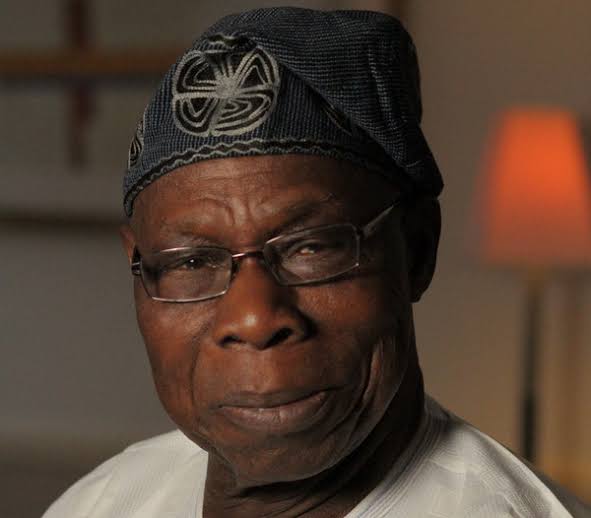
Analyzing Nigeria’s Security Crisis: Blame Games and the Search for Solutions
The recent back-and-forth between the Nigerian Presidency and former President Obasanjo regarding the nation’s security situation reveals more than just political posturing. It highlights a deep-seated and complex problem: how to effectively address terrorism and insecurity in Nigeria. The accusations and counter-accusations, while perhaps politically motivated, offer a glimpse into the history and potential future of Nigeria’s fight against instability.
The core of the issue? Obasanjo suggested that if the current administration, led by President Tinubu, can’t manage the escalating insecurity, they should seek international assistance. The Presidency responded with a strong rebuke, arguing that Obasanjo’s own administration laid the groundwork for the current security challenges and that seeking foreign assistance amounts to a failure of leadership.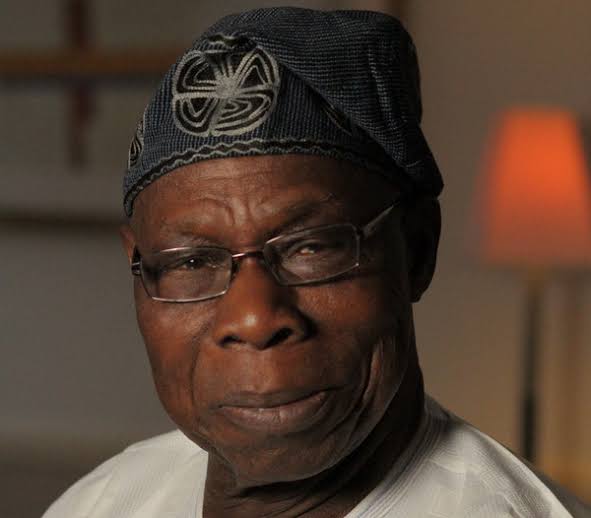 >
>
It’s a familiar pattern, isn’t it? Each administration often points fingers at its predecessors, deflecting blame rather than focusing solely on solutions. It makes one wonder: Is this a genuine attempt to learn from past mistakes, or simply a political tactic to avoid accountability?
Nigeria’s security woes are multifaceted. They involve not only the obvious threats of Boko Haram and other terrorist groups, but also banditry, farmer-herder conflicts, and various forms of organized crime. These problems are intertwined, often fueled by poverty, unemployment, and a lack of effective governance in certain regions. You can’t just solve them with a single sweeping action.
The Presidency’s resistance to seeking foreign assistance raises valid points about national sovereignty. No nation wants to cede control of its internal security to outside forces. The potential for exploitation and the erosion of national pride are real concerns. The government insists it’s confronting a range of terrorist groups with domestic solutions, and won’t compromise the sovereignty of the nation under the facade of foreign assistance.>
Yet, complete self-reliance might not be the most pragmatic approach either. Consider the intelligence gathering and technological capabilities that some international partners possess. Sharing intelligence, providing specialized training, and offering logistical support could significantly enhance Nigeria’s security efforts without necessarily relinquishing control.
The argument that Obasanjo’s administration “midwifed Nigeria’s early security failures” is a serious charge. It invites a historical examination of the policies and decisions made during his tenure. Did certain policies inadvertently contribute to the rise of extremist groups? Were there missed opportunities to address the root causes of insecurity early on? These are questions worth asking, and answering honestly is critical to preventing repeating errors.
It’s easy to Monday-morning quarterback, isn’t it? Hindsight is always 20/20. But analyzing past strategies, even those implemented with good intentions, is crucial for shaping future approaches. Did focusing solely on military solutions neglect the social and economic factors that drive extremism? Did a lack of community engagement alienate certain populations, making them more susceptible to radical ideologies?
Furthermore, the statement mentions “habitual presidential aspirants” who are supposedly painting the current administration as incapable. This suggests a broader political landscape where security concerns are being weaponized for political gain. Such rhetoric can further polarize the country and undermine efforts to find common ground.
It’s worth noting that security issues are rarely confined to national borders in our interconnected world. The influx of foreign fighters, the spread of extremist ideologies online, and the cross-border movement of arms all contribute to the complexity of Nigeria’s security challenges. Regional and international cooperation is thus essential.
The path forward requires a balanced approach. Acknowledging past mistakes, exploring international partnerships strategically, and addressing the underlying socio-economic factors driving insecurity are vital. More than blame, Nigeria needs honest dialogue and a commitment to finding sustainable solutions, even if those solutions require swallowing some pride and acknowledging limitations.
We also have to remember that true security encompasses more than just military might. It’s about creating a society where people feel safe, have opportunities, and trust their government. Investing in education, creating jobs, and promoting good governance are just as important as military spending.
This blame game serves nobody. Nigerians deserve a unified approach, not a continuation of past grievances. President Tinubu’s administration needs to articulate a clear and comprehensive security strategy, one that learns from the past but focuses on building a more secure future for all Nigerians. And that strategy must include the wisdom of voices both inside and outside of government.

![[post_title]](https://samony.com.ng/wp-content/uploads/2025/12/Gov-Otti-Assures-Nnamdi-Kanu-Of-Release-During-Visit-240x300.jpg?lm=692D2342 "Otti Visits Kanu: Hope for Release or Abia Politics?")
![[post_title]](https://samony.com.ng/wp-content/uploads/2025/12/1764566490_When-do-Black-Friday-sales-end-in-Australia-The-day-300x169.jpg?lm=692D25DB "When do Black Friday sales end in Australia? The day itself might have been and gone, but the deals are far from finished – here’s when the 2025 discounting wraps up")
![[post_title]](https://samony.com.ng/wp-content/uploads/2025/12/1764563342_Trump-insists-MRI-results-were-perfect-but-has-no-300x158.jpg?lm=692D1991 "Decoding Political Health: From MRI Scans to Leadership Authenticity")
![[post_title]](https://samony.com.ng/wp-content/uploads/2025/12/1764564856_Glam-boxer-Ebonie-Cotton-suffers-awkward-wardrobe-malfunction-rival-cant-300x158.jpg?lm=692D1F7B "Boxing’s New Equation: Talent Plus Narrative Equals Relevance")

![[post_title]](https://samony.com.ng/wp-content/uploads/2025/12/Ukraine-Russia-war-live-Zelensky-hails-Trumps-efforts-to-end-war-300x200.avif?lm=692D2103 "Ukraine-Russia war live: Zelensky hails Trump’s efforts to end war and ‘preliminary results’ in Florida peace talks")

![[post_title]](https://samony.com.ng/wp-content/uploads/2025/12/Gov-Otti-Assures-Nnamdi-Kanu-Of-Release-During-Visit.jpg?lm=692D2341 "Otti Visits Kanu: Hope for Release or Abia Politics?")
![[post_title]](https://samony.com.ng/wp-content/uploads/2025/12/1764566490_When-do-Black-Friday-sales-end-in-Australia-The-day-1024x576.jpg?lm=692D25DB "When do Black Friday sales end in Australia? The day itself might have been and gone, but the deals are far from finished – here’s when the 2025 discounting wraps up")
