

![[post_title]](https://samony.com.ng/wp-content/uploads/2025/12/1764555346_How-Solar-Flares-Could-Have-Corrupted-An-Airbus-Plane-1024x576.jpg?lm=692CFA53)
lar Flares Grounding Airbus? A Look at Aviation’s Space Weather Problem
Airbus recently recalled a significant number of A320 aircraft—a move impacting airlines globally. The reason? Apparently, solar radiation can scramble flight control data. It’s not every day you hear about the sun messing with modern aviation, so naturally, this raised a few eyebrows.
The A320, now the most delivered jetliner ever, faced a considerable disruption. While some airlines reported minimal impact, others, like Avianca, felt it profoundly, even temporarily halting ticket sales. This shows you the vulnerability of air transport.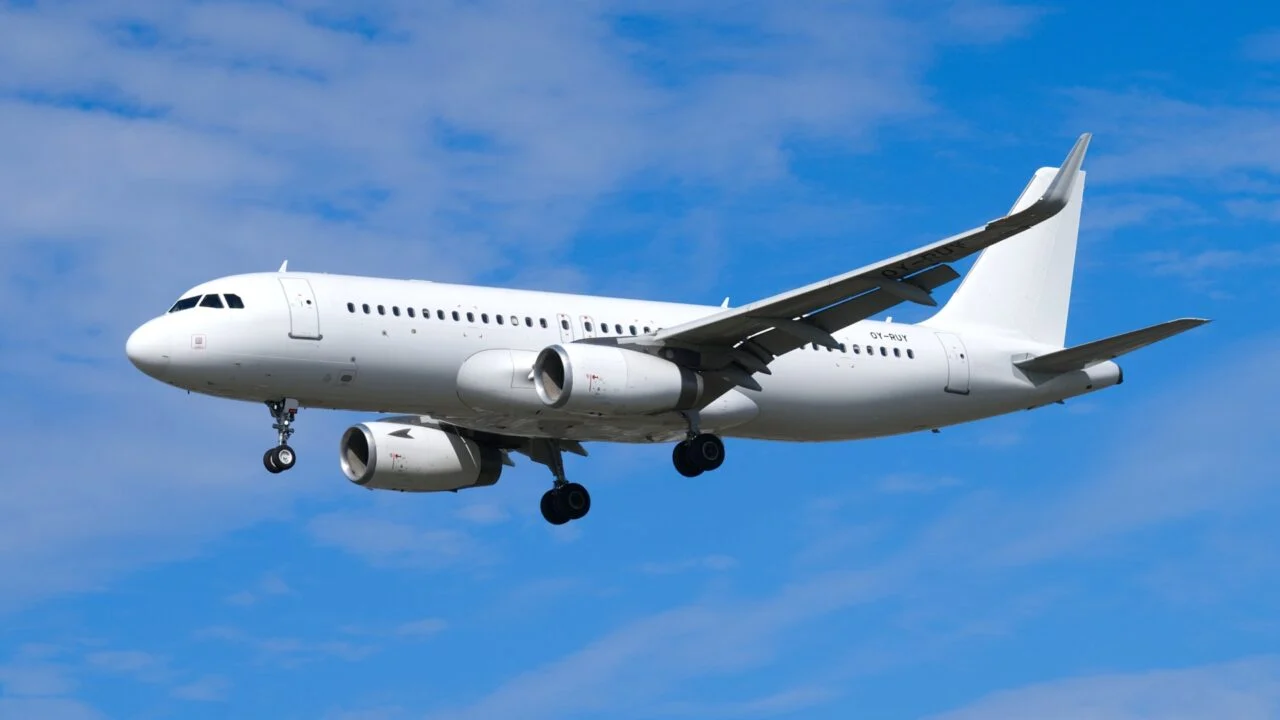 >
>
This all came to light after a JetBlue flight experienced a sudden altitude drop, diverting to Tampa. The suspected culprit? A glitch in the elevator aileron computer (ELAC), which controls the plane’s pitch. Airbus thinks intense solar flares corrupted the data, leading to the malfunction.
Now, the fix is seemingly straightforward – reverting to older software, or in some cases, replacing hardware. Yet, the underlying issue is hardly simple. Space weather is getting more attention as the sun enters a period of increased activity.
It’s worth noting that scientists anticipated this uptick in solar activity. We’ve seen an increase since 2008, and recent months brought quite a few substantial solar flares. Experts even warned of potential radio blackouts. These events underline the challenge of operating sophisticated technology in an environment as dynamic as space, or even near-space.>
One space weather expert pointed out that massive sunspots have been churning out flares for weeks, with no sign of slowing down. A particularly large sunspot is now facing Earth, increasing the odds of geomagnetic disturbances. What does this portend for future flights?
I’ve seen similar situations where unexpected environmental factors stress-tested established systems. No amount of testing can account for every possible scenario. The Airbus situation highlights a blind spot in our otherwise robust aviation safety protocols.
Aviation, for all its technological advancements, is still susceptible to the whims of nature. Yet, how much do we really account for space weather in aircraft design and operation? It’s a question worth posing.
The problem is this isn’t just about rerouting a flight. Corrupted flight control data could, under different circumstances, be catastrophic. Mitigating this demands more than a quick software patch. We need a more holistic approach.
Consider the implications for other industries. If solar flares can affect aircraft, what about satellite communications, power grids, or even ground-based computing infrastructure? Are we prepared for increasingly frequent and intense space weather events?
Perhaps the FAA and other regulatory bodies will begin mandating more robust shielding and redundancy in aircraft systems. Maybe airlines will start factoring space weather forecasts into flight planning. There’s room to establish predictive analytics.
It’s also important to point out, that this situation presents a significant opportunity for innovation. New materials, software, and operational procedures could better protect aircraft from solar radiation. This isn’t just a problem; it’s a call to action for engineers and scientists.
Still, there are questions that warrant answers. Should aircraft manufacturers factor in solar radiation? I believe so. How can we better predict and mitigate the impact of space weather on critical infrastructure? That is an active area of research that demands further investment.
The Airbus recall serves as a wake-up call. We need to take the threat of space weather seriously and develop strategies to protect our increasingly interconnected world. It forces us to accept that our technology is not as impervious as we might like to think. The dance between technology and the environment will continue.

![[post_title]](https://samony.com.ng/wp-content/uploads/2025/12/Is-Obidient-Movement-losing-steam-300x200.jpg?lm=692CF6C5 "Nigeria’s “Obidient” Experiment: From Passionate Uprising to Political Crossroads")
![[post_title]](https://samony.com.ng/wp-content/uploads/2025/12/1764552430_The-Samsung-Galaxy-ring-has-a-major-price-cut-in-300x200.png?lm=692CEEF2 "Smart Rings: Are They Worth the Hype (and the Price)?")
![[post_title]](https://samony.com.ng/wp-content/uploads/2025/12/1764552006_Trump-frees-New-York-private-equity-executive-who-defrauded-victims-300x200.jpeg?lm=692CED4A "Trump Commutation: Fraud, Finance, and Fading Justice")
![[post_title]](https://samony.com.ng/wp-content/uploads/2025/12/NDLEA-busts-Social-Media-drug-network-disguised-as-imported-Christmas.webp-300x174.webp?lm=692CED7C "“Cookie Cartels and Digital Dangers: Staying Ahead of Traffickers’ Evolving Playbook”")
![[post_title]](https://samony.com.ng/wp-content/uploads/2025/12/Ankers-Laptop-Power-Bank-is-32-off-for-Cyber-Monday-300x156.jpg?lm=692CEAA2 "Anker Laptop Power Bank Cyber Monday Deal: Is It Worth the Hype?")

![[post_title]](https://samony.com.ng/wp-content/uploads/2025/12/1764553942_Man-32-dies-in-M4-horror-crash-after-car-comes-1024x538.jpg?lm=692CF4DA "M4 Crash: What the Headlines Missed—And Why It Matters Now")
![[post_title]](https://samony.com.ng/wp-content/uploads/2025/12/Is-Obidient-Movement-losing-steam-1024x683.jpg?lm=692CF6C6 "Nigeria’s “Obidient” Experiment: From Passionate Uprising to Political Crossroads")
![[post_title]](https://samony.com.ng/wp-content/uploads/2025/12/1764552430_The-Samsung-Galaxy-ring-has-a-major-price-cut-in-1024x683.png?lm=692CEEF5 "Smart Rings: Are They Worth the Hype (and the Price)?")
