

![[post_title]](https://samony.com.ng/wp-content/uploads/2025/12/1764547830_Gov-Radda-commissions-Jargaba-Primary-Health-Facility-1024x682.jpeg?lm=692CDCFA)
Analyzing Healthcare Investment in Katsina State: A Critical Look at Recent Developments
Katsina State is seeing some action on the healthcare front. Governor Dikko Umaru Radda recently commissioned the Jargaba Primary Health Facility. It’s a new, modernized center in Bakori Local Government Area. That’s good news, of course, but what does it really mean for the people of Katsina?
The facility seems comprehensive, including a maternity unit, staff housing, updated medical equipment, and upgraded amenities. They are equipping the hospital with delivery beds, diagnostic tools, and essential drugs. You can’t fault them for a lack of trying. These improvements aim to bolster maternal and child health services, emergency response capabilities, and overall patient care. >
>
Now, let’s consider this initiative in a wider context. The Governor voiced optimism that the hospital would become a key healthcare hub for the Jargaba community. He also mentioned the administration’s drive to expand quality healthcare access. That’s the pitch, at least. Whether it translates to reality is another question.
It’s worth noting that the commissioning coincided with the distribution of 110 solar streetlights. Abdulbasir Babangida Jargaba donated these units, distributing them across 11 polling-unit wards, with 10 units allocated to each ward. This kind of private sector involvement is interesting. It signals a willingness from individuals to contribute, but it also raises questions. Does the state lack resources or is this simply a push for community buy-in?
These infrastructural upgrades may very well improve the quality of primary health. At least, that is what one would expect. To that end, we have to delve deeper than the headlines. How sustainable are these initiatives? Are there robust plans for staffing, maintenance, and continued funding? New buildings and shiny equipment are great, but they are of little value if they fall into disrepair or lack qualified personnel.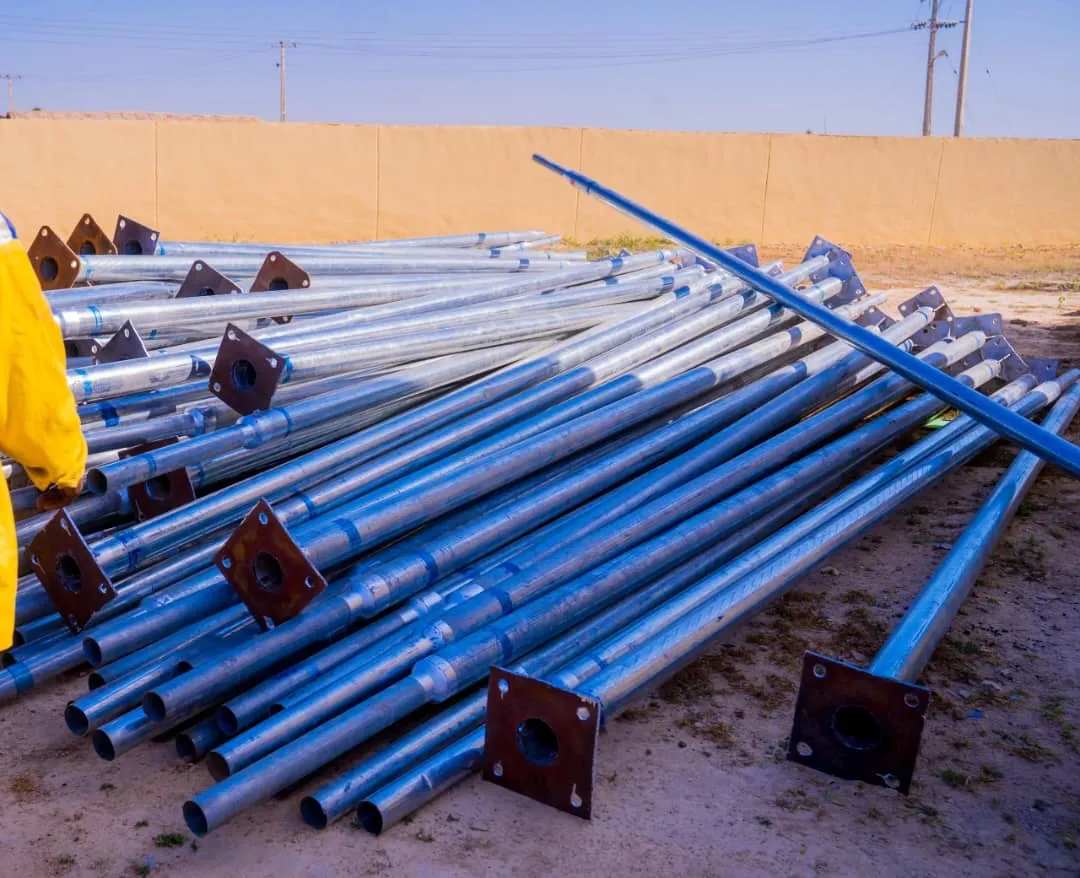 >
>
From my perspective, having observed similar situations in other developing regions, sustainability is a pivotal concern. Often, fanfare accompanies project launches. Yet, long-term maintenance is neglected. What systems are in place to ensure that this healthcare facility continues to operate effectively five, ten, or even twenty years down the line? This needs addressing.
It’s also crucial to understand the needs of the community. Did they assess the specific healthcare challenges facing the Jargaba area? What about cultural sensitivities and access barriers? For instance, do local customs affect women’s access to maternal care? A truly effective healthcare intervention addresses these underlying issues.
Another layer to peel back is the link between these healthcare improvements and the broader economic development of Katsina State. A healthy population is, after all, a productive population. Are there parallel initiatives aimed at education, sanitation, and job creation? These interconnected factors dramatically affect the overall well-being of a community.
Still, the commissioning of the Jargaba Primary Health Facility represents a step in the right direction. It suggests that the Katsina State government is prioritizing healthcare, at least to some extent. The donation of solar streetlights also speaks to a growing sense of civic responsibility.
Yet, we should view these developments with a degree of healthy skepticism. Announcements and groundbreakings are one thing; tangible, lasting impact is another. For these initiatives to genuinely transform healthcare in Katsina State, they must be part of a comprehensive, long-term strategy. This strategy must address sustainability, community needs, and the broader socio-economic context.
This challenge demands a commitment to transparency and accountability. Citizens have a right to know how their resources are being allocated. They should be able to track the progress of these projects. More importantly, they should hold their leaders accountable for delivering on their promises.
Given these facts, it’s time to move beyond the initial excitement and start asking the tough questions. Only through rigorous analysis and ongoing evaluation can we determine whether these developments will translate into meaningful improvements in the lives of the people of Katsina State.
It’s worth noting that such improvements in healthcare could be correlated to the governor’s efforts to showcase Katsina’s investment potential at the G20. A healthy workforce is a more attractive workforce for potential investors. Whether this is part of a larger strategic plan remains to be seen.
Ultimately, the success of the Jargaba Primary Health Facility, and similar projects, hinges on the government’s willingness to prioritize long-term planning, community engagement, and transparent governance. It’s a blueprint other states in Nigeria could follow, provided they avoid the common pitfalls.

![[post_title]](https://samony.com.ng/wp-content/uploads/2025/12/1764546440_Mothers-anguish-after-her-three-young-children-die-in-Thanksgiving-300x200.png?lm=692CD78C "Thanksgiving Nightmare: Could This Fire Tragedy Have Been Prevented?")
![[post_title]](https://samony.com.ng/wp-content/uploads/2025/12/Insecurity-Bandits-unleash-terror-in-Kogi-Kano-Sokoto-Kwara-300x148.png?lm=692CD7C8 "Nigeria Under Siege: Bandits’ Bold Attacks Demand Urgent Action")
![[post_title]](https://samony.com.ng/wp-content/uploads/2025/12/Board-to-release-list-of-successful-candidates-on-December-1-300x200.jpeg?lm=692CCFF1 "Nigeria’s Paramilitary Recruitment: Examining the Undercurrents")
![[post_title]](https://samony.com.ng/wp-content/uploads/2025/12/Longtime-bachelor-Cory-Booker-marries-real-estate-investor-after-whirlwind-300x200.png?lm=692CD03B "Cory Booker Marries Alexis Lewis: How His Marriage Reshapes His Image and Career")

![[post_title]](https://samony.com.ng/wp-content/uploads/2025/12/1764546440_Mothers-anguish-after-her-three-young-children-die-in-Thanksgiving-1024x683.png?lm=692CD78F "Thanksgiving Nightmare: Could This Fire Tragedy Have Been Prevented?")
![[post_title]](https://samony.com.ng/wp-content/uploads/2025/12/Insecurity-Bandits-unleash-terror-in-Kogi-Kano-Sokoto-Kwara.png?lm=692CD7C7 "Nigeria Under Siege: Bandits’ Bold Attacks Demand Urgent Action")
