

![[post_title]](https://samony.com.ng/wp-content/uploads/2025/11/1764537120_Experts-clarify-the-clothes-you-should-probably-wash-before-wearing-1024x683.jpg?lm=692CB321)
Should You Wash New Clothes? A Critical Look Beyond the Hype
The question of whether to wash new clothes before wearing them surfaces regularly, especially as we navigate waves of seasonal shopping. Experts often recommend pre-washing, citing potential irritants and lingering germs. But let’s pull back and examine the multiple layers at play.
The main argument centers on the premise that garments accumulate chemicals and microbes during production and handling. Textile processing involves a cocktail of substances, from formaldehyde resins (used to prevent wrinkling) to dyes. These can trigger allergic reactions, particularly for people with sensitive skin. I’ve seen firsthand how certain fabrics can cause contact dermatitis, so this concern is legitimate.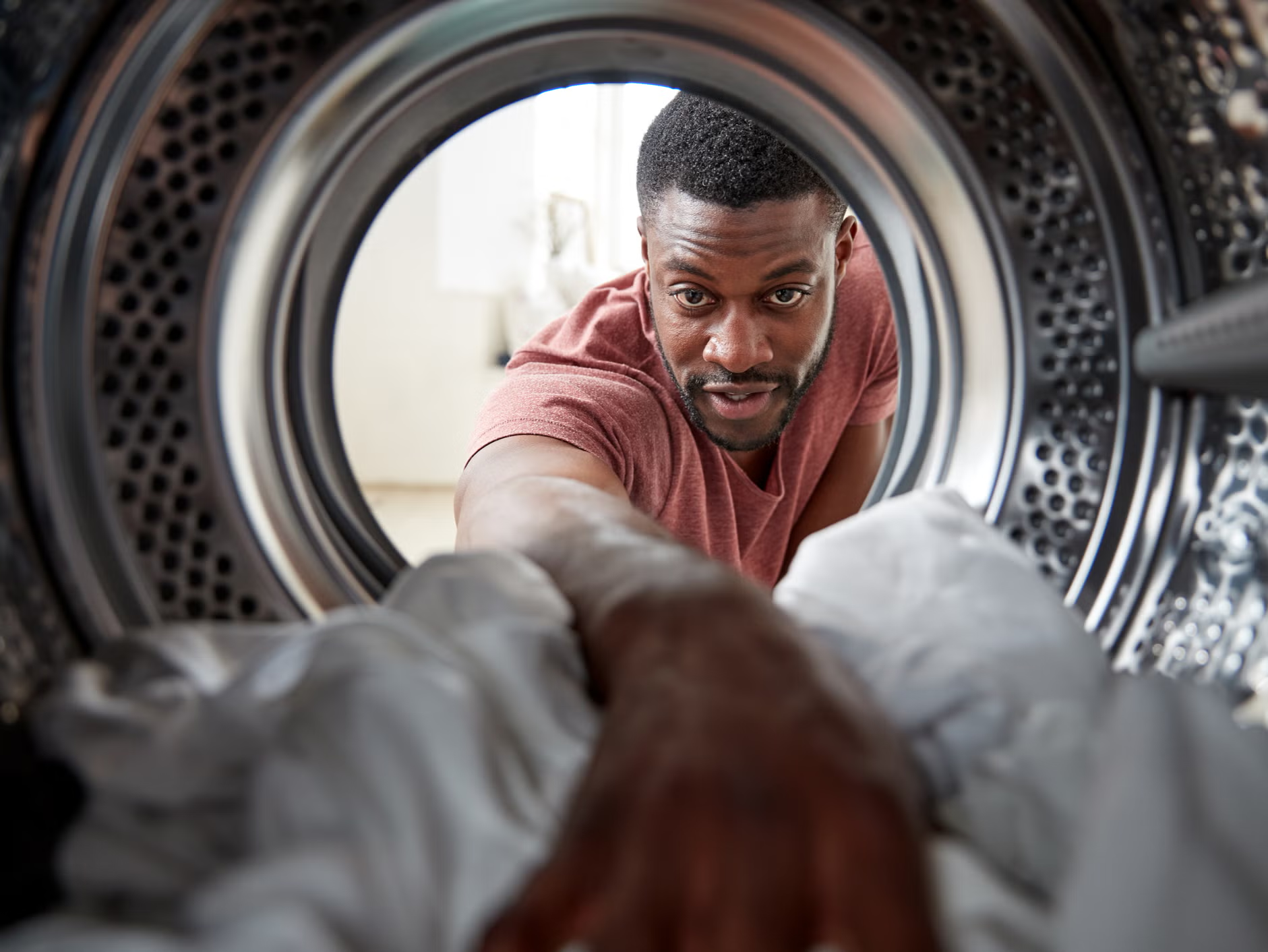 >
>
Beyond chemicals, there’s the “ick” factor. Clothes pass through numerous hands in factories and stores. A 2020 study mentioned the potential for bacteria and viruses to survive on fabrics for extended periods, even suggesting the possibility of fecal bacteria and nasal viruses lurking on garments. This conjures up images of public changing rooms and raises genuine questions about hygiene. Still, the risk of contracting a serious illness from trying on clothes feels exceedingly low.
However, framing the issue as merely a health concern feels incomplete. Consider the environmental angle. Washing removes excess dyes, preventing them from leaching onto your skin or other fabrics. It also helps stabilize the color, potentially extending the garment’s life. Some suggest that washing can prevent shrinkage. This makes sense for certain natural fibers prone to contracting when exposed to moisture and heat.
Yet, each wash cycle consumes water and energy. Detergents, even eco-friendly options, leave an environmental footprint. It’s a trade-off: cleanliness versus sustainability. Consumers should balance this equation according to their values and needs. >
>
From my observations, the urgency to pre-wash heavily depends on the item itself. Underwear and anything worn close to the skin absolutely warrants a wash. Items like outerwear – coats or jackets – might be less critical, given their limited contact with the body. The fabric also matters. Natural fibers like cotton absorb more than synthetics, potentially trapping more chemicals and microbes.
Fast fashion practices further complicate this. The relentless pressure to produce clothing cheaply and quickly often leads to compromises in quality control and hygiene. Garments from these sources might warrant extra scrutiny and a pre-emptive wash. It also raises a larger conversation regarding responsible buying practices.
However, let’s avoid alarmist statements. While the presence of bacteria on clothing is undeniable, the likelihood of getting seriously sick from trying on a shirt seems minuscule. Dr. Jami L. Miller noted that it’s “extremely rare to become sick from new clothing.” Sensationalized headlines sometimes overshadow this crucial point.
It’s worth considering that washing every new garment is not always practical or necessary. For delicate items or those requiring special care, dry cleaning might be a more suitable option. The care label usually provides guidance, though even those instructions should be treated with a degree of skepticism. I’ve encountered garments where following the label resulted in damage.
The information on this issue often feels fragmented. Manufacturers, retailers, and consumer advocacy groups all play a role in shaping the narrative. There’s room for greater transparency regarding the chemicals used in textile production and their potential health effects. Clearer labeling could empower consumers to make more informed choices.
The “to wash or not to wash” debate extends beyond hygiene and touches on issues of sustainability, consumerism, and individual responsibility. The choice hinges on assessing the risk, weighing the environmental cost, and considering personal sensitivities. A balanced approach, grounded in common sense rather than fear, is the most reasonable path. Consumers must be mindful of the complete picture when making a choice.

![[post_title]](https://samony.com.ng/wp-content/uploads/2025/11/Villagers-kill-two-suspected-bandits-recover-stolen-animals-in-Sokoto-300x222.jpg?lm=692CB23D "Sokoto’s Vigilante Response: Banditry and Security Void")
![[post_title]](https://samony.com.ng/wp-content/uploads/2025/11/1764537120_Experts-clarify-the-clothes-you-should-probably-wash-before-wearing-300x200.jpg?lm=692CB321 "New Clothes: Separating Textile Facts from Washing Hype")
![[post_title]](https://samony.com.ng/wp-content/uploads/2025/11/This-deal-on-smart-glasses-was-too-good-for-my-300x156.jpg?lm=692CAF90 "Echo Frames and the Smart Glasses Reality Check: Functionality, Price, and Amazon’s Endgame")
![[post_title]](https://samony.com.ng/wp-content/uploads/2025/11/1764535792_Enzo-Marescas-simple-rallying-message-shows-Chelsea-have-learnt-from-300x217.jpeg?lm=692CADF3 "Chelsea-Arsenal Draw: Tactical Shifts and Premier League Implications")

![[post_title]](https://samony.com.ng/wp-content/uploads/2025/11/Avoid-flamboyant-lifestyles-NYSC-DG-to-corps-members-300x200.jpg?lm=692CAAF7 "Beyond Prudence: Building NYSC Financial Security Through Real-World Skills")

![[post_title]](https://samony.com.ng/wp-content/uploads/2025/11/Malami-says-his-engagement-with-the-EFCC-was-successful.jpg?lm=692CB1BC "Malami’s EFCC Grilling: Is Nigeria About to See Justice or Another Cover-Up?")

![[post_title]](https://samony.com.ng/wp-content/uploads/2025/11/Villagers-kill-two-suspected-bandits-recover-stolen-animals-in-Sokoto-1024x757.jpg?lm=692CB23E "Sokoto’s Vigilante Response: Banditry and Security Void")
