

Gen Z and Divorce: From Shameful to Chic? Analyzing the Trend
Gen Z is approaching marriage – and its potential end – in ways that are prompting a shift in perspectives. Michel Janse’s experience with divorce, documented on YouTube, underscores this changing attitude. It’s a candid portrayal of navigating the emotional and practical challenges, resonating with an audience seemingly more open to the idea of parting ways.
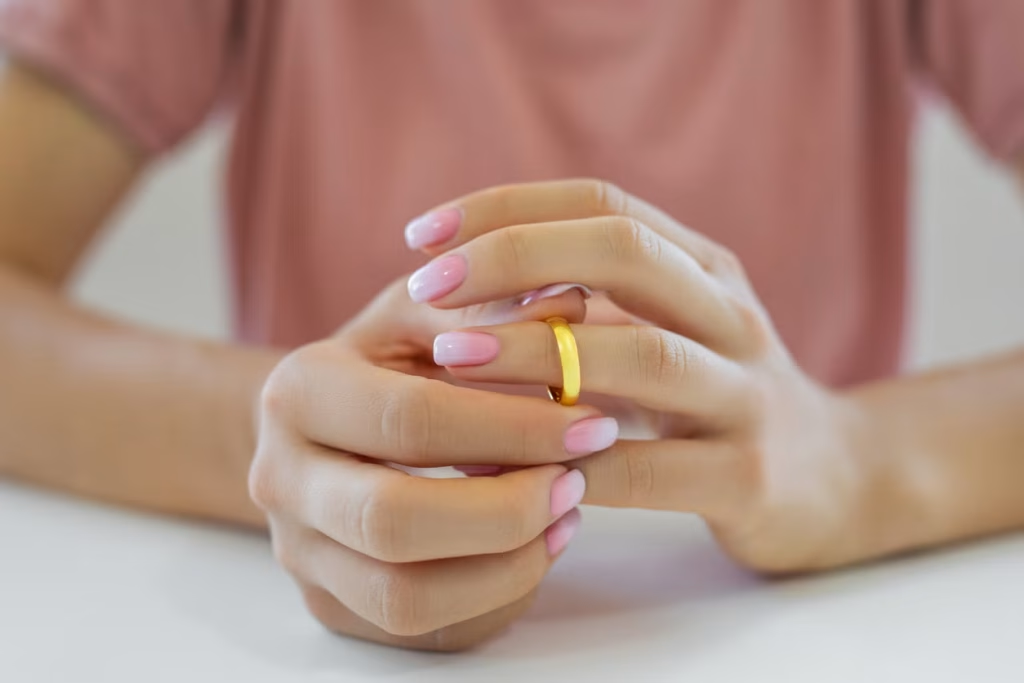
This new narrative normalizes divorce. Where previous generations might have felt bound by stigma, Gen Z views it as a chance to reclaim their time and agency. It’s a reframing, fueled in part by social media, where influencers like Aspyn Ovard declare “divorce eras” with a surprising touch of optimism. Sure, divorce remains emotionally taxing. Yet, it’s evolving from a personal failing into a potential opportunity for fresh starts. Even celebrity culture reinforces this, with Emily Ratajkowski repurposing her engagement ring into “divorce rings.”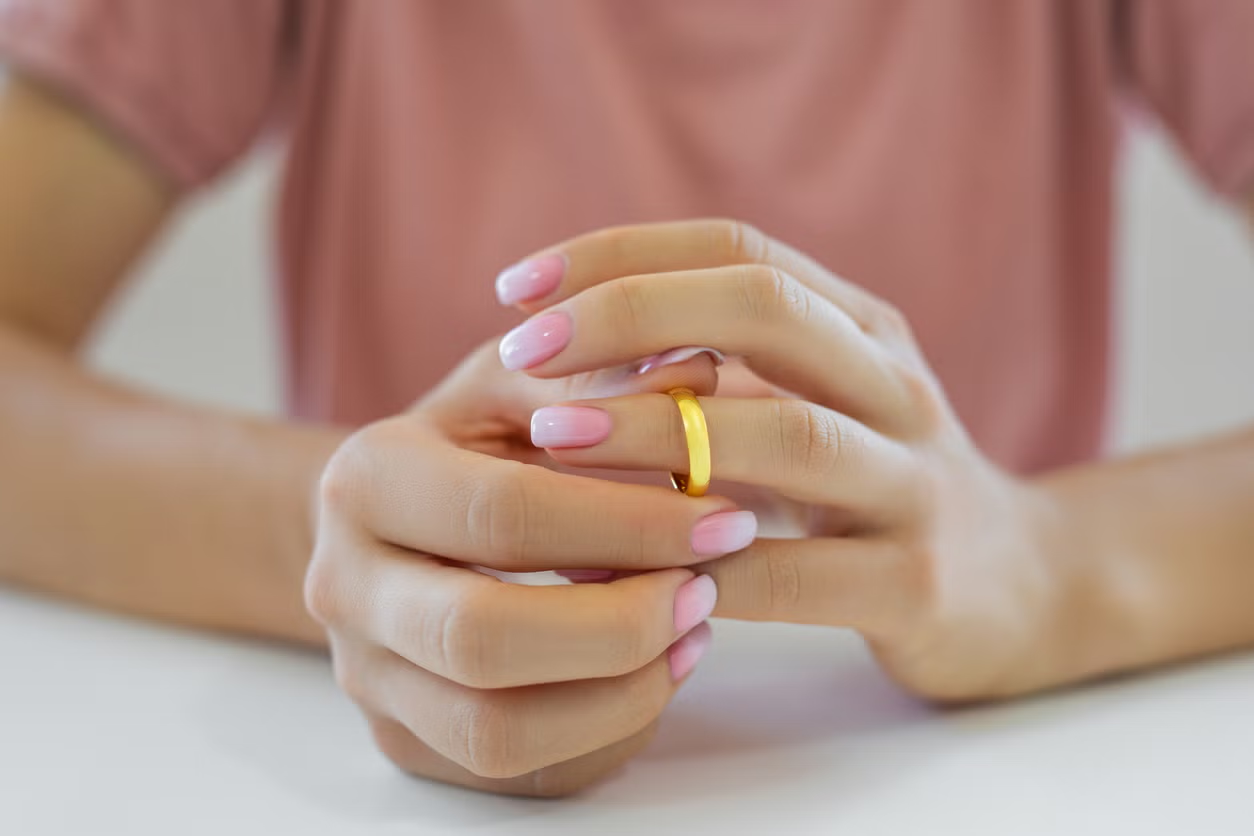 >
>
Alina’s TikTok video, set to circus music, offers another glimpse into this evolving mindset. She married young, recognized that the path she was on had run its course, and chose a different route. Her experience mirrors a broader trend: Gen Z is marrying later, and not hesitant to walk away from marriages that don’t align with their evolving values.
Still, it’s valid to ask whether this acceptance, sometimes even celebration, of divorce is cause for pause. Are we too quick to dissolve a marriage?
Jenny Bradley, a divorce attorney, suggests this might be the case. She sees a generation willing to “throw in the towel” faster than their predecessors. Having witnessed stark differences in attitudes, she contrasts drawn-out separations of older generations with Gen Z’s decisive “we’re done” approach. >
>
Indeed, this generation has grown up with an online deluge of therapy-speak – gaslighting, self-care, mental health. They seem adept at identifying red flags and, crucially, acting on them. It begs the question, though: does the sometimes simplistic, easily-shared nature of mental health awareness on social media help or hinder sound judgment in relationships?
There’s a risk of over-diagnosing relational issues, of jumping to conclusions fueled by trends. After all, marriage, supposedly, requires effort. Alina, before her divorce, pursued couples therapy. It was, in the end, a slow realization of growing apart, a disconnect that felt irreparable.
Divorce statistics underscore this new perspective. Understanding that roughly half of marriages in the U.S. conclude in divorce, Gen Z is preparing for the possibility. Jacqueline Newman, a matrimonial attorney, has observed a surge in prenuptial agreements. Driven by blended families, delayed marriages, and women’s increased financial independence, prenups make up a sizable chunk of her work. This shift reflects pragmatism over romance. Newman emphasizes that marriages are legal contracts, and approaching them with legal counsel is simply sensible.
Gen Z appreciates prenups because they see divorce as a very real risk, one they’d like to minimize the impact of. Witnessing the messy divorces of previous generations fuels a desire to protect themselves. The uncertainty of modern life amplifies this need for control, for pre-defined outcomes should the marriage fail.
Janse believes this attitude springs from a desire to avoid repeating the patterns observed in their parents’ marriages. Those relationships often endured out of obligation, fear, or a misguided sense of duty to the children. Gen Z members are opting for a different path.
From personal experience, I can say the rising acceptance of divorce among younger generations seems tied to a broader focus on personal fulfillment. It’s a generation that prioritizes happiness and well-being, even if it means dissolving a once-sacred union. This challenge can be seen as both a positive step towards healthier relationships and a potentially hasty approach to commitment.
In any case, it’s worth noting that while divorce is scary, most who go through it do not regret it. If a marriage becomes unsafe, unhealthy, or one partner refuses to invest in its repair, there may be a chance for a brighter future.
Given these facts, we see a generation redefining marriage, divorce, and the very notion of commitment.

![[post_title]](https://samony.com.ng/wp-content/uploads/2025/11/Police-arrests-suspected-electric-cable-vandal-in-Jigawa-300x169.jpg?lm=692C9447 "Jigawa’s Electric Cable Theft: Unveiling Systemic Issues")
![[post_title]](https://samony.com.ng/wp-content/uploads/2025/11/Anita-Okoyes-Thanksgiving-video-sparks-concern-she-as-cooks-on-300x150.jpg?lm=692C94BB "Anita Okoye’s Thanksgiving: Sweet Family Moment or PR Play? 🤔")
![[post_title]](https://samony.com.ng/wp-content/uploads/2025/11/1764528662_Ginter-Punkte-aufholen-und-Stuck-fur-Stuck-nach-oben-schieben-300x169.jpg?lm=692C9219 "Freiburg’s Secret Weapon Against Mainz: Patience or Power?")
![[post_title]](https://samony.com.ng/wp-content/uploads/2025/11/1764528805_You-need-to-read-the-treatise-on-spacing-out-Bored-300x158.jpg?lm=692C92A8 "Reclaiming Focus: How Intentional Boredom Fuels Innovation in a Noisy World")


![[post_title]](https://samony.com.ng/wp-content/uploads/2025/11/Real-world-testing-shows-which-vehicle-models-emit-more-of-the.jpeg?lm=692C938D "Car Emissions: Unveiling the NOx Danger and Australia’s New Standards")
![[post_title]](https://samony.com.ng/wp-content/uploads/2025/11/1764529159_A-womans-body-was-found-floating-in-San-Francisco-Bay-1024x683.jpeg?lm=692C940D "Nancy Galvani Case: Justice Delayed?")
![[post_title]](https://samony.com.ng/wp-content/uploads/2025/11/Police-arrests-suspected-electric-cable-vandal-in-Jigawa-1024x576.jpg?lm=692C9447 "Jigawa’s Electric Cable Theft: Unveiling Systemic Issues")
![[post_title]](https://samony.com.ng/wp-content/uploads/2025/11/Anita-Okoyes-Thanksgiving-video-sparks-concern-she-as-cooks-on-1024x512.jpg?lm=692C94BB "Anita Okoye’s Thanksgiving: Sweet Family Moment or PR Play? 🤔")
