

![[post_title]](https://samony.com.ng/wp-content/uploads/2025/11/1764527299_Controversial-spies-in-the-sky-drones-being-used-by-councils-1024x538.jpg?lm=692C8CC4)
UK Councils Deploying Drones: Eyes in the Sky or Orwellian Overreach?
The news that over 60 councils across the UK now have drone pilots isn’t exactly shocking. Local authorities acquiring unmanned aerial vehicles (UAVs) to keep watch over citizens, though? That raises a few eyebrows. The Civil Aviation Authority’s (CAA) records show these councils have personnel trained to operate drones.
Now, before jumping to conclusions of mass surveillance, consider this: Drones offer certain advantages. They can inspect infrastructure like bridges, assess flood damage, and conduct land surveys more efficiently than traditional methods. Fair enough. Some councils use them to monitor coastal erosion – a practical application, granted.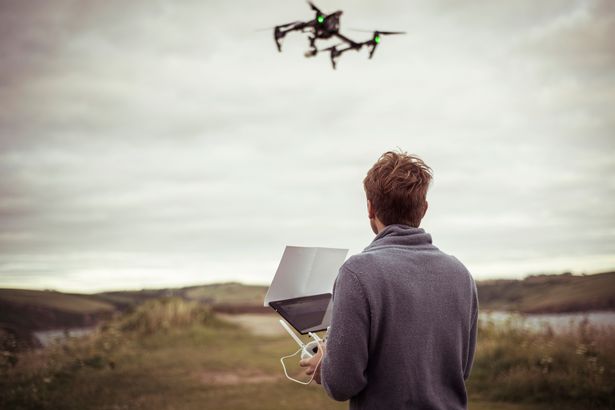 >
>
Yet, it’s the other uses that give me pause. We’re talking about issuing fines for fly-tipping, intervening in planning disputes, and even – as some reports suggest – using drones to combat “anti-social behavior.” Hammersmith and Fulham council even plans to use drones to bolster their “law enforcement team,” targeting anti-social behavior and fly-tipping. Sunderland city council employs drones to “detect and prevent crime and disorder.” One wonders about the definition of disorder.
It’s worth noting that these initiatives emerge amidst staffing limitations within law enforcement. Drones and CCTV equipped with facial recognition are viewed as force multipliers, addressing shortcomings in visible deterrents.
There’s Stockton on Tees, with drones monitoring “anti-social behavior,” and Newcastle, where plans are underway to use drones for similar purposes. Thurrock council is authorized to use drones to “detect and prevent crime.” It’s a pattern, and it suggests a shift towards increased aerial monitoring of public spaces.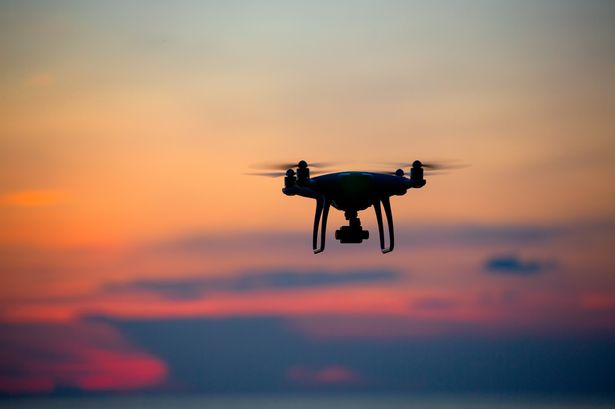 >
>
Privacy advocates are understandably concerned. Jake Hurfurt from Big Brother Watch argues that Britain is already heavily surveilled with CCTV, and “flying cameras” are an unwelcome addition. He correctly asks whether technology should be used just because it can be used.
This raises fundamental questions. How will this drone footage be stored, and for how long? What safeguards are in place to prevent misuse or mission creep? Will these drones be equipped with facial recognition or other advanced surveillance technologies? Who has access to the data collected?
I’ve seen this play out before in other sectors. Technology rolls out with a promise of efficiency and safety, then expands into areas that were never initially discussed. Think about data collection by smart devices, initially pitched as a way to personalize user experience, and now a lucrative industry unto itself.
There’s also the question of accountability. If a drone is used to issue a fine based on questionable evidence, what recourse does the citizen have? How can they challenge the accuracy of the drone’s observations?
Granted, councils likely have good intentions. They’re probably looking for cost-effective ways to address local issues. But the road to hell, as they say, is paved with good intentions. Without clear guidelines, robust oversight, and transparent policies, the deployment of drones by local councils could quickly devolve into an overreach of surveillance.
The CAA requires drone operators flying craft over 250g to pass a test and obtain a flyer ID. That’s a start. But more comprehensive regulations are needed, ones that balance the potential benefits of drone technology with the fundamental right to privacy.
It all boils down to trust. Do we trust our local councils to use this technology responsibly? Do we trust them to prioritize our privacy rights? Based on past experience, blind trust is probably unwise.
Perhaps a tiered system could offer a solution. Basic drones for infrastructure inspection, subject to strict limitations, and a higher tier for law enforcement, requiring judicial oversight and specific warrants. Whatever the solution, it requires careful consideration.
The conversation needs to shift from “can we use drones?” to “how should we use drones?” and, crucially, “what are the limits?” Ignoring these questions invites a future where the sky is not just full of birds, but also of silent, watchful eyes. That’s a future worth avoiding.

![[post_title]](https://samony.com.ng/wp-content/uploads/2025/11/Noni-Madueke-Arsenal-winger-not-worried-by-fan-criticism-of-300x169.jpg?lm=692C8A61 "Arsenal’s Title: Harnessing Madueke’s Spark While Navigating Chelsea’s Labyrinth")

![[post_title]](https://samony.com.ng/wp-content/uploads/2025/11/1764525417_Vanderbilt-QBs-brother-arrested-at-game-for-the-second-time-300x200.png?lm=692C856C "Athlete Family Dynamics: Unseen Pressures Behind the Sideline Celebrations")
![[post_title]](https://samony.com.ng/wp-content/uploads/2025/11/Bandits-Control-The-Forests-And-Come-Out-At-Night-Some-300x171.jpeg?lm=692C859F "Katsina Villages Are Emptying: Is This Nigeria’s Next Big Crisis?")
![[post_title]](https://samony.com.ng/wp-content/uploads/2025/11/Yul-reunites-with-Linc-Rita-Edochie-amid-alleged-breakup-with-264x300.jpg?lm=692C8635 "Yul Edochie’s Family Reunion: Real Deal or Just for Show? 👀")
![[post_title]](https://samony.com.ng/wp-content/uploads/2025/11/Preview-Le-Havre-vs-Lille-prediction-team-news-lineups.net2Fuploads2F20252F112Fyassine-kechta-6-300x171.webp?lm=692C8338 "Ligue 1 Showdown: Le Havre’s Home Grit vs. Lille’s Attacking Threat")

![[post_title]](https://samony.com.ng/wp-content/uploads/2025/11/When-Insecurity-Reaches-This-Level-Urgent-Steps-Are-Necessary-To.jpeg?lm=692C8CFD "School Safety in Nigeria: Moving from Reaction to Root Causes")
![[post_title]](https://samony.com.ng/wp-content/uploads/2025/11/Noni-Madueke-Arsenal-winger-not-worried-by-fan-criticism-of-1024x576.jpg?lm=692C8A62 "Arsenal’s Title: Harnessing Madueke’s Spark While Navigating Chelsea’s Labyrinth")
