

![[post_title]](https://samony.com.ng/wp-content/uploads/2025/11/1764515819_Republican-state-senator-from-Indiana-says-he-will-oppose-redistricting-1024x683.jpg?lm=692C5FEE)
Indiana Republican Senator Opposes Trump Redistricting Push: A Deeper Look
Trump’s ongoing quest to reshape congressional districts for the 2026 midterms just hit a snag. A Republican state senator from Indiana, Mike Bohacek, publicly declared his opposition to the redistricting efforts. The catalyst? Trump’s recent use of a slur against people with disabilities when disparaging Minnesota Governor Tim Walz.
Redistricting, the redrawing of electoral district boundaries, usually happens every ten years following the census. Trump, however, has been aggressively pushing Republican-controlled states to redraw their maps sooner. The ambition seems clear: gain a partisan advantage in the House of Representatives. We’ve seen Texas and Missouri already attempt this maneuver.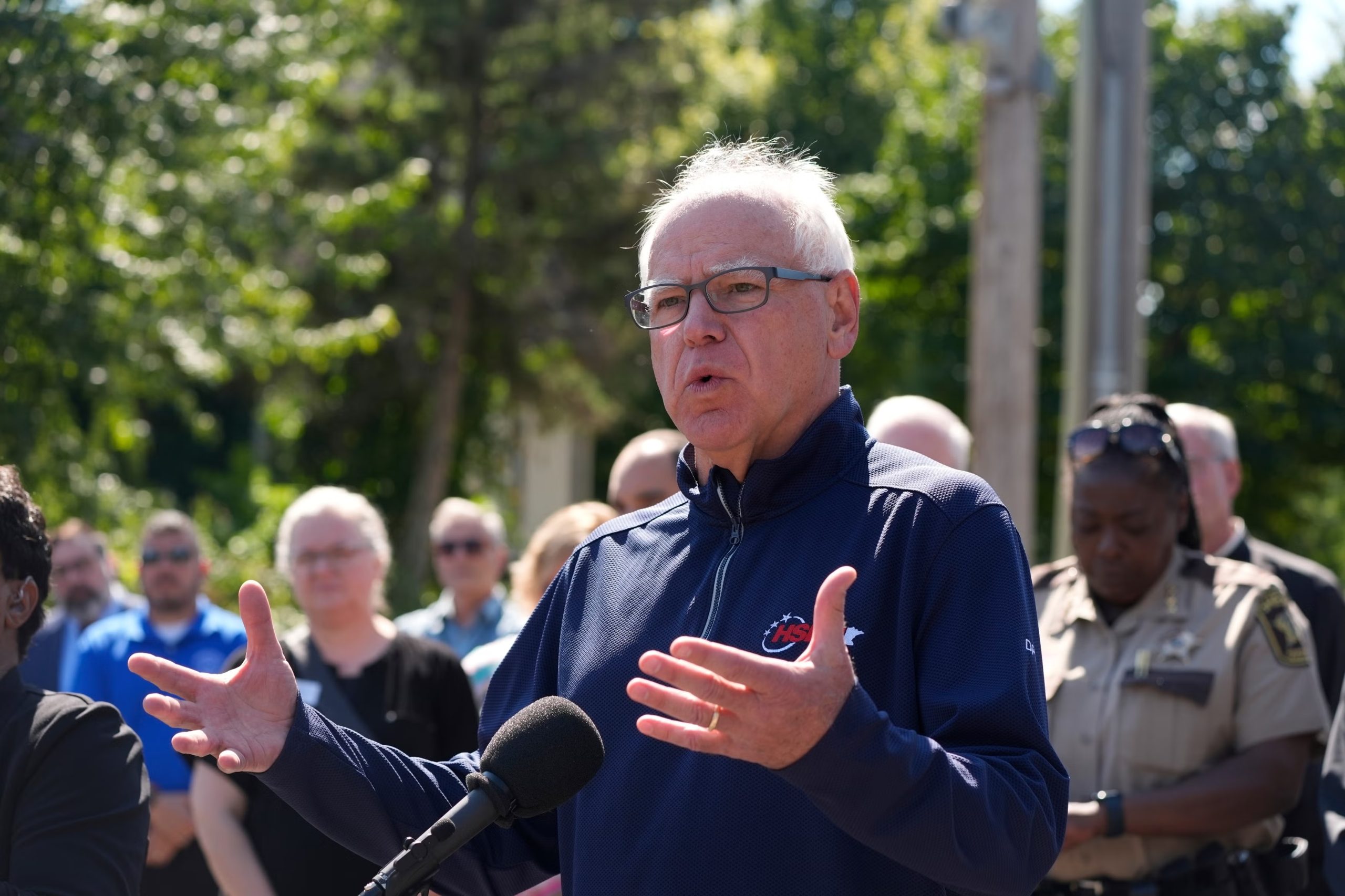 >
>
Yet, the situation in Indiana is different. Bohacek cited his personal connection to the issue, as his daughter has Down Syndrome. He stated Trump’s language was the final straw. He emphasized that Trump needs to earn the support of voters before expecting a congressional majority.
This isn’t new territory for Trump. Past instances of mocking individuals with disabilities, including a journalist, are well documented. The criticism from a member of his own party signals a possible shift in the political winds.
Trump’s Redistricting Strategy: A Risky Gamble >
>
Trump’s approach presents several challenges. Midterm elections frequently see the president’s party lose seats. This historic trend makes his push even more important for Republicans. Altering district lines mid-decade breaks with tradition. That invites accusations of political manipulation and could energize the opposition.
Take California, for instance. After Governor Newsom advocated for it, voters approved Proposition 50, a measure potentially adding Democratic seats. Newsom portrayed it as a necessary countermeasure to Republican tactics. Even with the proposition’s success, the Department of Justice still decided to sue California after its passage.
The Broader Implications: Beyond Indiana’s Borders
This Indiana situation raises questions about the long-term viability of Trump’s redistricting strategy. How many other Republican lawmakers feel similarly conflicted? Can he effectively pressure state legislatures to act against their own better judgment, especially when facing public backlash?
Beyond the ethical considerations, there are practical hurdles. Legal challenges are likely to arise, as seen in Texas. The Supreme Court’s involvement adds another layer of uncertainty. These legal battles consume resources and time, diverting attention from other campaign efforts.
It’s worth noting, the increasing visibility and acceptance of ableist language within certain political circles represents a disturbing trend. Efforts to eliminate such terminology, which gained momentum in the 2000s, now face an apparent reversal.
The Bottom Line: A Shift in Political Calculus?
Senator Bohacek’s stance could represent an isolated incident. Or, perhaps it hints at something bigger. It might indicate a growing unease within the Republican party regarding Trump’s rhetoric and tactics.
The redistricting push reveals an underlying anxiety about the future. Trump’s enduring influence over the party is undeniable, but this situation demonstrates limits.
The coming months will reveal whether Trump’s redistricting strategy succeeds or backfires. This Indiana case serves as a reminder that politics is rarely a simple game of chess. Human factors, such as personal values and ethical considerations, can disrupt even the most carefully laid plans. The political fallout from this episode remains to be seen, but its impact on the redistricting landscape is undeniable.

![[post_title]](https://samony.com.ng/wp-content/uploads/2025/11/Ganduje-IPSS-warns-against-formation-of-parallel-Hisbah-outfit-in-300x161.jpeg?lm=692C6019 "Kano Hisbah: A Recipe for Insecurity")
![[post_title]](https://samony.com.ng/wp-content/uploads/2025/11/1764515934_Freddy-Braziers-pregnant-ex-shares-horror-claims-and-real-reason-300x158.jpg?lm=692C605E "Navigating Celebrity Relationships: Trauma, Accountability, and the Child’s Well-being")

![[post_title]](https://samony.com.ng/wp-content/uploads/2025/11/1764514697_What-to-Make-of-a-Hot-IPO-Market-300x189.jpg?lm=692C5B8C "IPO Market Heats Up: Expert Advice on Navigating New Stock Risks")
![[post_title]](https://samony.com.ng/wp-content/uploads/2025/11/1764513626_It-doesnt-end-at-Neuralink-300x157.jpg?lm=692C575D "Brain-Computer Interfaces: User Innovation Driving Progress")



![[post_title]](https://samony.com.ng/wp-content/uploads/2025/11/Ganduje-IPSS-warns-against-formation-of-parallel-Hisbah-outfit-in-1024x550.jpeg?lm=692C6019 "Kano Hisbah: A Recipe for Insecurity")
![[post_title]](https://samony.com.ng/wp-content/uploads/2025/11/1764515934_Freddy-Braziers-pregnant-ex-shares-horror-claims-and-real-reason-1024x538.jpg?lm=692C605F "Navigating Celebrity Relationships: Trauma, Accountability, and the Child’s Well-being")
