

![[post_title]](https://samony.com.ng/wp-content/uploads/2025/11/Isaac-Fayose-criticises-Tinubus-ambassadorial-list-takes-aim-at-Reno-1024x512.jpg?lm=692C3EEF)
Analyzing Recent Developments in Nigerian Politics: Isaac Fayose’s Critique of Tinubu’s Ambassadorial List
Isaac Fayose recently stirred the pot, blasting President Tinubu’s ambassadorial nominees. He argues that many choices appear based on personal connections instead of merit, a sentiment I’ve encountered before regarding political appointments. It raises a critical question: how do we ensure qualified individuals truly represent Nigeria on the global stage?
Fayose specifically targeted Reno Omokri, questioning his professional background and labeling him a mere “town crier.” He also criticized ex-INEC Chairman Mahmood Yakubu, citing concerns about election management. Such sharp criticism obviously invites scrutiny. Are these isolated opinions, or do they reflect a broader unease?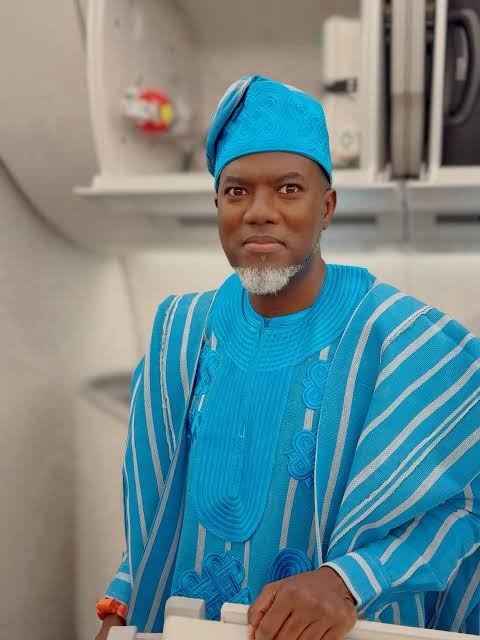 >
>
These accusations deserve a second look. Nigeria desperately needs credible representation overseas. A weak ambassador can affect trade, diplomacy, and the country’s overall image. It’s not just about filling positions; it’s about strategic positioning.
This appointment process, as it seems, favors loyalty over qualification. That said, the entire truth is probably a blend of both. Political appointments often involve rewarding allies, a common practice worldwide. However, the true problem arises when competence takes a back seat entirely.
Fayose’s stance is quite clear; he values character above wealth. He also urges everyone, including Peter Obi’s supporters, to prioritize integrity. That’s a solid argument. But let’s be real: can we realistically expect absolute detachment from political affiliations? Probably not. Nevertheless, the principle stands: integrity should hold a significant place in the decision-making process. >
>
One could argue that Fayose’s comments might be motivated by his own political leanings. Maybe. Still, it does not invalidate the core concerns about the suitability of some nominees. Seasoned professionals and diplomats often get sidelined; a disquieting pattern.
His comments about Omokri needing to be compensated and celebrating now that “maga don pay” could certainly cause some heated debates. It’s easy to dismiss such statements as mere vitriol, but dismissing them out of hand misses a larger underlying concern. Are people rewarded based on merit and contribution or based on “who they know”?
From a broader perspective, this incident illustrates a recurring dilemma. How can Nigeria strengthen its institutions and ensure appointments are based on transparent criteria? What steps are needed to guarantee a blend of loyalty and competence?
What does all this mean for Nigeria’s future? If these appointments continue prioritizing allegiance over expertise, the implications could impact international relations. The nation needs professionals equipped to negotiate effectively, attract investment, and advocate for Nigerian interests.
I, for one, would like to see more emphasis on rigorous screening processes. Background checks, competency tests, and public reviews can enhance accountability. Perhaps an independent panel could review ambassadorial candidates, advising the president on their suitability.
This situation presents a chance to start some crucial discussions. How do we strike a balance between political considerations and merit? How can ordinary Nigerians hold their leaders accountable? These are not simple questions, but answering them will determine the trajectory of the nation.
Moving forward, the focus should be on systemic change. We need to foster a culture that values integrity and rewards excellence. Until then, the same familiar cycles of criticism and disappointment may very well continue. The country deserves better, and its citizens should demand it. The conversation sparked by Fayose’s criticisms, regardless of its intensity, underscores that people are watching. The leaders need to be aware of the dissatisfaction. The future of Nigeria is in question, and it is the job of the citizens to come together and ask questions about the ambassadorial list.

![[post_title]](https://samony.com.ng/wp-content/uploads/2025/11/1764506722_Companies-That-Give-Shareholders-Perks-And-Rewards-300x157.png?lm=692C3C63 "Companies are treating shareholders like VIPs with these surprising perks!")
![[post_title]](https://samony.com.ng/wp-content/uploads/2025/11/Club-Brugge-neemt-ingrijpende-beslissing-over-Romeo-Vermant.com2Fvoetbal24-be2Fimages2F2025-112Fromeo-ver-300x158.jpeg?lm=692C3D27 "Club Brugge’s Striking Gamble: Youth vs. Proven Talent")
![[post_title]](https://samony.com.ng/wp-content/uploads/2025/11/1764507038_Worlds-loneliest-man-found-four-years-after-dying-as-music-300x158.jpg?lm=692C3D9F "Unseen: The Tešanović Case")
![[post_title]](https://samony.com.ng/wp-content/uploads/2025/11/Gunmen-kidnap-travellers-on-Kogi-highway-300x169.jpg?lm=692C3E2E "Kogi Kidnapping: Security Landscape in Focus")
![[post_title]](https://samony.com.ng/wp-content/uploads/2025/11/1764506087_Discover-5-Affordable-Cities-Ideal-for-Retirement-Today-300x200.jpg?lm=692C39EA "Retirement Hotspots: Affordability vs. Quality of Life")
![[post_title]](https://samony.com.ng/wp-content/uploads/2025/11/I-was-never-married-we-only-cohabited-300x150.jpg?lm=692C39FC "iPhone 16 Saga: Love, Lies, and Cohabitation’s Complexities")

![[post_title]](https://samony.com.ng/wp-content/uploads/2025/11/1764506722_Companies-That-Give-Shareholders-Perks-And-Rewards-1024x536.png?lm=692C3C63 "Companies are treating shareholders like VIPs with these surprising perks!")
![[post_title]](https://samony.com.ng/wp-content/uploads/2025/11/Club-Brugge-neemt-ingrijpende-beslissing-over-Romeo-Vermant.com2Fvoetbal24-be2Fimages2F2025-112Fromeo-ver-1024x538.jpeg?lm=692C3D28 "Club Brugge’s Striking Gamble: Youth vs. Proven Talent")
