

![[post_title]](https://samony.com.ng/wp-content/uploads/2025/11/1764507038_Worlds-loneliest-man-found-four-years-after-dying-as-music-1024x538.jpg?lm=692C3D9F)
The Tragedy of Branislav Tešanović: A Reflection on Modern Isolation
The story of Branislav Tešanović, the man dubbed “the world’s loneliest man,” is haunting. His body was discovered in his Stockholm flat nearly four years after he died, with the radio still playing and lights still on. It’s a stark narrative of isolation in a hyper-connected world. The initial reports paint a bleak picture, a life lived unseen, a death unnoticed for years. It forces one to question the social fabric of modern society.
Tešanović, a 78-year-old Serbian immigrant who spent four decades in Sweden, passed away, seemingly alone, on or around March 10, 2016. The discovery occurred only after concerned neighbors alerted the authorities. What’s striking is the sheer duration of his solitude. Three years, eight months, and eight days elapsed between his death and the grim discovery. The image of unopened mail piling up, the calendar stuck on March 11th, adds layers of somber detail. >
>
Yet, there’s a broader perspective to consider. It’s easy to castigate society for neglecting Tešanović. The media certainly did, framing his demise as a symptom of urban alienation. But is it that simple?
Consider the complexities of immigration. Individuals leave behind established networks, often struggling to integrate into new cultures. Language barriers, differing social norms, and the simple longing for “home” can create invisible walls. In Tešanović’s case, reports suggest he worked manual jobs, further limiting his opportunities for social connection. This challenge is universal for many immigrants.
Still, the story doesn’t end there. There’s a flicker of hope amidst the gloom. Dragan Laban, another Serb residing in Sweden, upon learning of Tešanović’s fate, took it upon himself to locate the man’s relatives. He then arranged a proper funeral, ensuring Tešanović wasn’t buried alone. This act of kindness underscores the inherent human desire for connection and the power of empathy to transcend even death.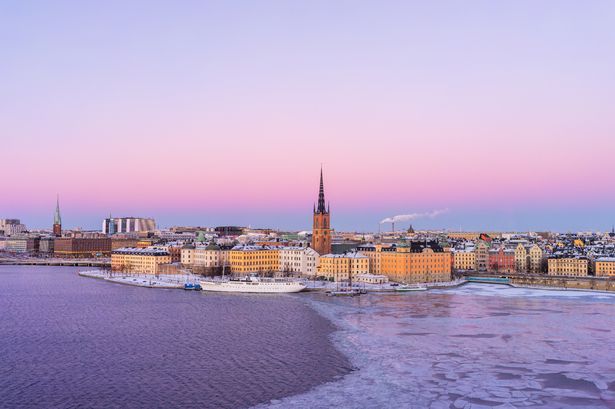 >
>
It’s worth noting that Laban’s own background played a part. Having experienced war and displacement, he perhaps recognized a shared vulnerability, a common thread of human experience that compelled him to act. His story is a reminder that even amidst societal failures, individual acts of compassion can make a profound difference.
This tragedy sparks reflection on the role of community and the evolving nature of social interaction. Do we truly know our neighbors? Are we actively fostering connections with those around us, or are we becoming increasingly insulated in our digital bubbles? Loneliness, it seems, is not just a personal failing but a societal challenge that demands attention.
What role do social services play? One might ask how a man could go unnoticed for so long. Systems designed to support vulnerable individuals evidently failed in this case. This prompts a critical assessment of existing frameworks and the need for proactive outreach, especially to elderly or isolated individuals. It’s easy to blame bureaucracy. Still, human error and systemic shortcomings contribute equally to such failures.
The media’s response, while initially focused on the sensationalism of the story, did spark a wider conversation about loneliness and social isolation. Documentaries and articles attempted to piece together Tešanović’s life, humanizing him beyond the label of “the world’s loneliest man.” While somewhat exploitative, this attention did serve to raise awareness and encourage dialogue.
Given these facts, what can we learn from Branislav Tešanović’s story? It serves as a poignant reminder of the importance of human connection, the fragility of social support systems, and the need for individual acts of kindness. It challenges us to look beyond our own immediate circles and to reach out to those who may be struggling in silence.
To that end, perhaps the legacy of Branislav Tešanović should not be one of unyielding sorrow but one of renewed commitment to building more connected, compassionate communities. It prompts us to reconsider how we define “community” in an increasingly digital age and to find new ways to bridge the gaps that can leave individuals feeling invisible and forgotten.
Ultimately, Tešanović’s story is a call to action, a reminder that even small gestures of connection can have a profound impact. It urges us to be more attentive, more empathetic, and more willing to reach out to those around us. It’s a reminder that we are all interconnected and that the well-being of each individual is inextricably linked to the well-being of society as a whole. The radio playing, the lights on – these details serve as a potent symbol of a life that continued, even in the face of profound isolation. It is up to us to ensure that such tragedies become less frequent, not more.

![[post_title]](https://samony.com.ng/wp-content/uploads/2025/11/1764507038_Worlds-loneliest-man-found-four-years-after-dying-as-music-300x158.jpg?lm=692C3D9F "Unseen: The Tešanović Case")
![[post_title]](https://samony.com.ng/wp-content/uploads/2025/11/Gunmen-kidnap-travellers-on-Kogi-highway-300x169.jpg?lm=692C3E2E "Kogi Kidnapping: Security Landscape in Focus")
![[post_title]](https://samony.com.ng/wp-content/uploads/2025/11/1764506087_Discover-5-Affordable-Cities-Ideal-for-Retirement-Today-300x200.jpg?lm=692C39EA "Retirement Hotspots: Affordability vs. Quality of Life")
![[post_title]](https://samony.com.ng/wp-content/uploads/2025/11/I-was-never-married-we-only-cohabited-300x150.jpg?lm=692C39FA "iPhone 16 Saga: Love, Lies, and Cohabitation’s Complexities")
![[post_title]](https://samony.com.ng/wp-content/uploads/2025/11/The-absolute-best-Cyber-Monday-deals-you-can-already-shop-300x156.jpg?lm=692C3A3B "Decoding Cyber Monday 2025: Separating Real Value from Manufactured Hype")
![[post_title]](https://samony.com.ng/wp-content/uploads/2025/11/1764506291_Anatomy-of-the-Tinubu-gains-in-the-health-sector-By-300x300.jpg?lm=692C3AB4 "Tinubu’s Health Sector Progress in Nigeria: Promises vs. Reality")

![[post_title]](https://samony.com.ng/wp-content/uploads/2025/11/1764506722_Companies-That-Give-Shareholders-Perks-And-Rewards-1024x536.png?lm=692C3C63 "Companies are treating shareholders like VIPs with these surprising perks!")
![[post_title]](https://samony.com.ng/wp-content/uploads/2025/11/Club-Brugge-neemt-ingrijpende-beslissing-over-Romeo-Vermant.com2Fvoetbal24-be2Fimages2F2025-112Fromeo-ver-1024x538.jpeg?lm=692C3D28 "Club Brugge’s Striking Gamble: Youth vs. Proven Talent")
![[post_title]](https://samony.com.ng/wp-content/uploads/2025/11/Gunmen-kidnap-travellers-on-Kogi-highway-1024x576.jpg?lm=692C3E2F "Kogi Kidnapping: Security Landscape in Focus")
