

![[post_title]](https://samony.com.ng/wp-content/uploads/2025/11/1764497034_An-emboldened-Trump-escalates-his-anti-immigration-crackdown-after-National-Guard.jpg?lm=692C168A)
Trump’s Immigration Crackdown: A Critical Look at the Latest Developments
President Trump is escalating his anti-immigration stance, a move that comes in the wake of a shooting involving National Guard members. He’s calling for a deeper federal investigation into the incident. He’s also instructing his administration to curb migration into the United States. This isn’t just a reaction; it appears to be a calculated move to reinforce campaign promises.
Trump is framing the issue as a national security crisis, describing a country overrun with “unvetted” migrants. His answer: stricter expulsion policies and a “permanent pause” on migration from certain nations. His Thanksgiving address at Mar-a-Lago underscored this theme, leaving little doubt about his intentions.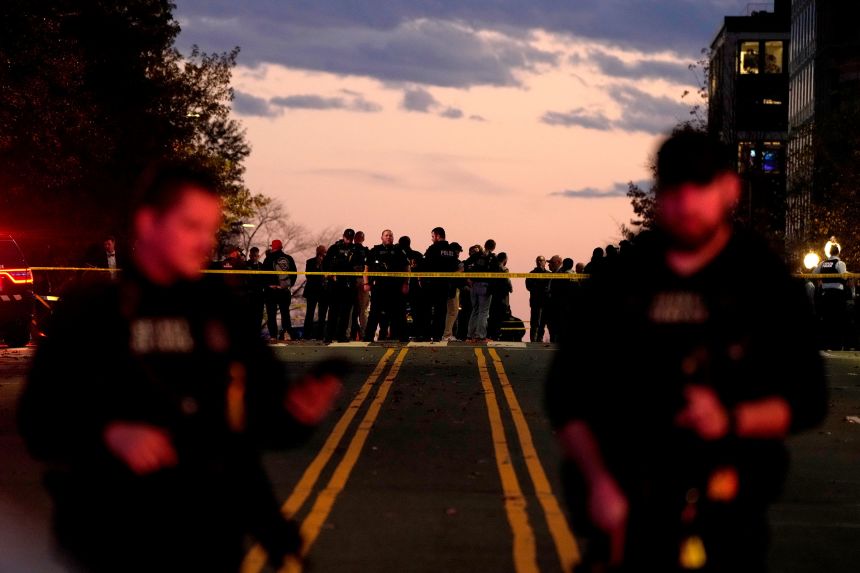 >
>
The recent shooting suspect, an Afghan national admitted under “Operation Allies Welcome,” has become a focal point. Despite intelligence agencies previously vetting the individual, Trump’s administration is seizing on this case. He is questioning the entire vetting process. A deeper examination of the program is likely.
In response, Trump’s team is pursuing tougher enforcement, including deportation flights and ICE raids. This renewed vigor attempts to address previous frustrations about immigration arrest rates. But how effective will these measures really be, and at what cost?
The moves are clearly aimed at reshaping the U.S. immigration system.>
Trump is wasting no time in blaming his predecessor for allowing the suspect into the country. He wants every Afghan admitted under the Biden administration re-examined. There’s even talk of deporting the suspect’s family.
Even before the shooting, the administration was already reviewing refugees admitted during Biden’s term. Now, things are intensifying. The U.S. Citizenship and Immigration Services (USCIS) is conducting a “full scale, rigorous reexamination” of Green Cards from “countries of concern.” These nations include Afghanistan, Iran, and Venezuela, as defined by a prior presidential proclamation.
USCIS is also updating guidance, permitting officers to weigh country-specific factors more heavily when judging immigration requests. This new directive allows officers greater latitude in determining threats to public safety and national security.
The rhetoric is ratcheting up. Trump has announced plans for a “reverse migration,” a “permanent pause” on migration from “Third World Countries,” and the removal of anyone deemed a “net liability” to the U.S. The details of this proposal, specifically which countries will be affected, remain unclear.
Despite these efforts, some voices, such as the Wall Street Journal editorial board, suggest that Afghan refugees should not be blamed for the violent action of one person. However, Stephen Miller, a key architect of Trump’s immigration policy, rejects this sentiment, calling it “the great lie of mass migration.” His argument paints a bleak picture of importing entire societies and recreating the problems of failed states.
The Treasury Department is joining the effort, moving to block undocumented immigrants from receiving federal tax-based benefits. This move aligns with Trump’s goal of reserving these programs for U.S. citizens only. The administration is pausing all asylum decisions until they can ensure optimal vetting and screening. How long will that take, and what happens to those already waiting?
The State Department has also paused visa issuances for travelers with Afghan passports.
The impact on the Afghan community in the U.S. is concerning. Advocates caution against using this isolated incident to unfairly target an entire community. It’s worth remembering that over 190,000 Afghans have resettled in the U.S. since August 2021. Their integration and well-being deserve consideration.
This situation reflects a recurring pattern. A single, tragic event becomes the catalyst for sweeping policy changes. Immigration debates are rarely nuanced. What’s happening now with Trump is just one example of this trend. Realistically, what kind of long-term effect will these policies have? We’ve observed similar measures before. The details may change, but the core strategy remains consistent.

![[post_title]](https://samony.com.ng/wp-content/uploads/2025/11/1764495333_Snow-bomb-could-blast-UK-with-13-inches-of-white-300x158.jpg?lm=692C0FE8 "UK Snow “Bomb” Alert: Should We Actually Freak Out?")
![[post_title]](https://samony.com.ng/wp-content/uploads/2025/11/1764495518_St-Marys-abductions-Parents-lament-as-253-remain-in-captivity-300x169.jpg?lm=692C10A1 "Nigeria’s School Abductions: St. Mary’s Echoes a Nation’s Security Nightmare")
![[post_title]](https://samony.com.ng/wp-content/uploads/2025/11/The-common-fruit-juice-that-could-control-blood-pressure-and-300x200.jpg?lm=692C0DE0 "Is Orange Juice Secretly Good for Your Heart? The Surprising Science You Need to Know Now")
![[post_title]](https://samony.com.ng/wp-content/uploads/2025/11/Top-Picks-from-the-CFB-Betting-Splits-for-Saturday-November-300x153.png?lm=692C0F52 "College Football: Week 14’s Sharp vs. Public Betting Showdown")
![[post_title]](https://samony.com.ng/wp-content/uploads/2025/11/1764494708_What-Otti-administration-is-doing-to-address-Abias-healthcare-challenges-300x200.jpg?lm=692C0D76 "Abia Healthcare: Sustainable Solutions or Short-Term Fixes?")



![[post_title]](https://samony.com.ng/wp-content/uploads/2025/11/1764495333_Snow-bomb-could-blast-UK-with-13-inches-of-white-1024x538.jpg?lm=692C0FE9 "UK Snow “Bomb” Alert: Should We Actually Freak Out?")
![[post_title]](https://samony.com.ng/wp-content/uploads/2025/11/1764495518_St-Marys-abductions-Parents-lament-as-253-remain-in-captivity.jpg?lm=692C10A0 "Nigeria’s School Abductions: St. Mary’s Echoes a Nation’s Security Nightmare")
