

![[post_title]](https://samony.com.ng/wp-content/uploads/2025/11/1764495518_St-Marys-abductions-Parents-lament-as-253-remain-in-captivity.jpg?lm=692C109E)
St. Mary’s Abductions: A Critical Look at Nigeria’s Enduring Security Crisis
The abduction of over 300 students and teachers from St. Mary’s Catholic School in Papiri, Niger State, cuts deep. Parents lament. Hope dwindles for the 253 still held captive. It’s a tragic echo of past events, forcing us to confront a grim reality: school abductions are becoming a disturbing trend in Nigeria.
Details emerging from the November 21st attack paint a heartbreaking scene. Bandits stormed the school, snatching children and staff. While roughly 50 students managed to escape, the majority remain in the hands of their captors. Understandably, parents are distraught. Gathered at the school, they’re pleading for government action. Their signs tell the story: “Bring Back Our Girls,” “Is Education a Crime?”. The desperation is palpable.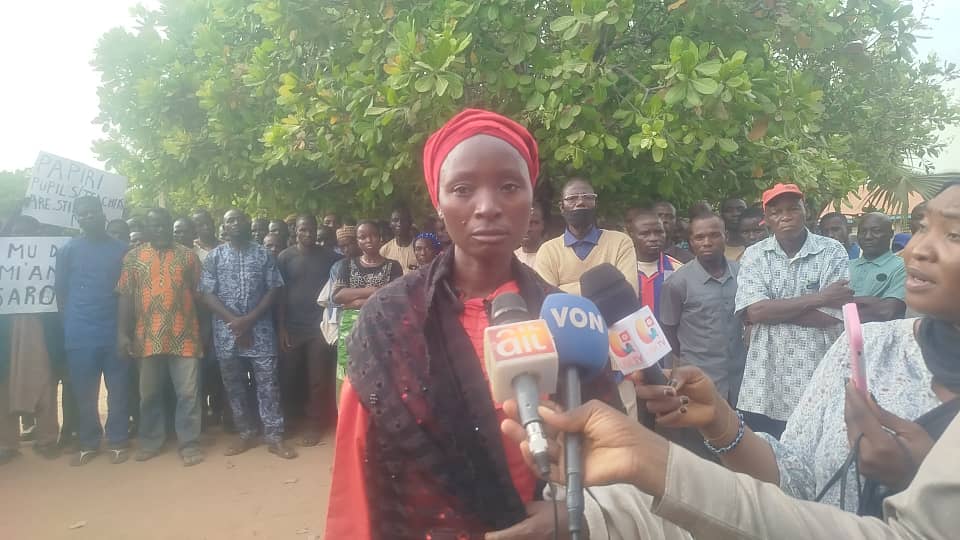 >
>
You can’t help but feel for these families. Some parents have reportedly died from shock and trauma. It’s a devastating consequence of a security situation that appears to be spiraling. The headmistress, Sister Blessing Amodu’s tearful plea captures the collective anguish. Dimas Joseph Mauhuta, whose son is among the abducted, voices a common frustration: distrust of official narratives. He challenges the government to stop “playing the blame game” and step up.
It’s worth noting that St. Mary’s isn’t some fly-by-night institution. Emmanuel Ejeh points out that his older children graduated from the same school. This attack shatters a sense of normalcy, a feeling of safety that should exist within school walls.
The Catholic Bishop of Kontagora Diocese, Rev. Bulus Dauwa Yohanna, highlights the logistical challenges of bringing families together, many traveling for hours on motorcycles. Rev. Sis. Felicia Gyam, the school’s principal, firmly refutes any claims of prior warning. This raises a critical question: Where was the intelligence?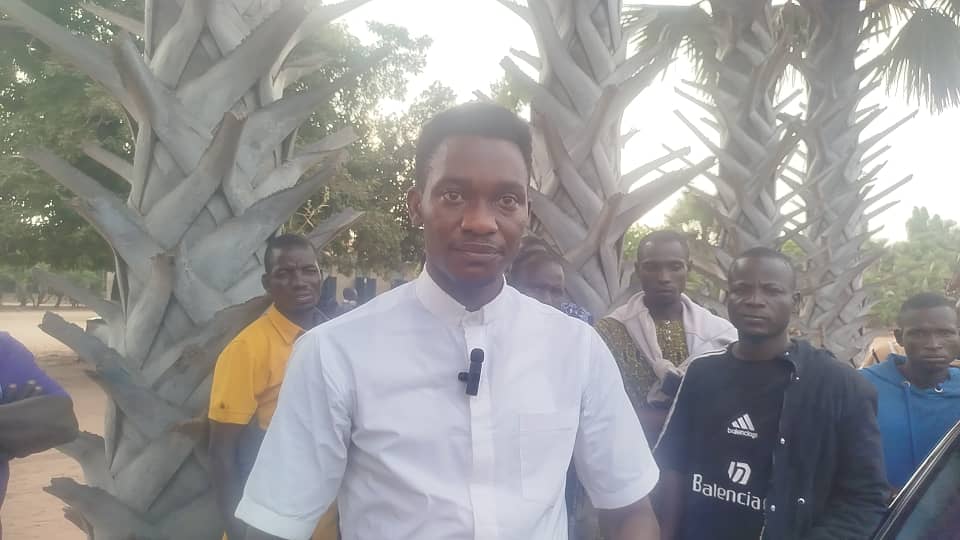 >
>
This St. Mary’s incident doesn’t exist in a vacuum. We’ve seen similar horrors unfold in Kebbi, Kwara, and other states. This pattern demands intense scrutiny. Is the government truly equipped to handle these threats? Are the strategies effective, or are we simply reacting to symptoms instead of addressing the root causes?
President Tinubu has responded by deploying security forces, ordering police recruitment, declaring a security emergency, and authorizing forest guards. These measures sound proactive, yet skepticism is warranted. We’ve heard similar promises before. Will this time be different?
The broader context is crucial. Boko Haram and ISWAP continue to wreak havoc. These groups exploit existing vulnerabilities – poverty, lack of education, and weak governance. Tackling insecurity requires a multi-pronged approach that goes beyond military intervention. It demands addressing these systemic issues.
Looking at this situation, I see echoes of past failings. Bandits aren’t ghosts. They’re products of a system that’s failed to provide opportunity and security. Merely reacting with force, while necessary in the immediate term, won’t solve the underlying problem.
The situation calls for serious self-reflection. Are our security agencies adequately funded and trained? Are they collaborating effectively? Is there corruption hindering our efforts? These are tough questions, but they need answers.
The Pope’s appeal underscores the international concern surrounding this crisis. Nigeria’s reputation is at stake. The world is watching. It is in the nation’s best interest to solve this menace.
Given these facts, one can’t help but question the long-term strategy. Military might alone is unlikely to bring lasting peace. We need community engagement, improved education, and economic opportunities to counter the influence of these extremist groups. It all hinges on the government’s ability to rebuild trust with the people and create a sense of hope for the future.
Ultimately, the fate of the St. Mary’s abductees, and indeed the future security of Nigeria, rests on decisive action. We need accountability, transparency, and a willingness to confront the hard truths about the challenges we face. The parents’ anguish is a constant reminder that time is of the essence. The lives of these children and teachers depend on it. We can only hope these aren’t just more empty promises. Nigeria needs to act, and act now. The world is expecting real solutions, not just rhetoric. Only time will tell if this moment will be a turning point or another missed opportunity. The weight of responsibility is enormous. Let’s hope those in power understand the gravity of the situation.

![[post_title]](https://samony.com.ng/wp-content/uploads/2025/11/The-common-fruit-juice-that-could-control-blood-pressure-and-300x200.jpg?lm=692C0DE0 "Is Orange Juice Secretly Good for Your Heart? The Surprising Science You Need to Know Now")
![[post_title]](https://samony.com.ng/wp-content/uploads/2025/11/Top-Picks-from-the-CFB-Betting-Splits-for-Saturday-November-300x153.png?lm=692C0F52 "College Football: Week 14’s Sharp vs. Public Betting Showdown")
![[post_title]](https://samony.com.ng/wp-content/uploads/2025/11/1764494708_What-Otti-administration-is-doing-to-address-Abias-healthcare-challenges-300x200.jpg?lm=692C0D76 "Abia Healthcare: Sustainable Solutions or Short-Term Fixes?")
![[post_title]](https://samony.com.ng/wp-content/uploads/2025/11/Tension-in-Ilorin-as-bandits-kidnap-Kwara-monarch-in-broad-300x150.jpg?lm=692C09DC "Nigeria’s Rural Insecurity: Kwara Monarch Abduction")
![[post_title]](https://samony.com.ng/wp-content/uploads/2025/11/NECO-accredits-schools-in-Burkina-Faso-for-SSCE-BECE-300x254.jpg?lm=692C0909 "NECO Exams Now in Burkina Faso: Opportunity or Overreach?")

![[post_title]](https://samony.com.ng/wp-content/uploads/2025/11/1764495333_Snow-bomb-could-blast-UK-with-13-inches-of-white-1024x538.jpg?lm=692C0FE7 "UK Snow “Bomb” Alert: Should We Actually Freak Out?")
![[post_title]](https://samony.com.ng/wp-content/uploads/2025/11/The-common-fruit-juice-that-could-control-blood-pressure-and-1024x683.jpg?lm=692C0DE2 "Is Orange Juice Secretly Good for Your Heart? The Surprising Science You Need to Know Now")
![[post_title]](https://samony.com.ng/wp-content/uploads/2025/11/Top-Picks-from-the-CFB-Betting-Splits-for-Saturday-November-1024x521.png?lm=692C0F52 "College Football: Week 14’s Sharp vs. Public Betting Showdown")
