

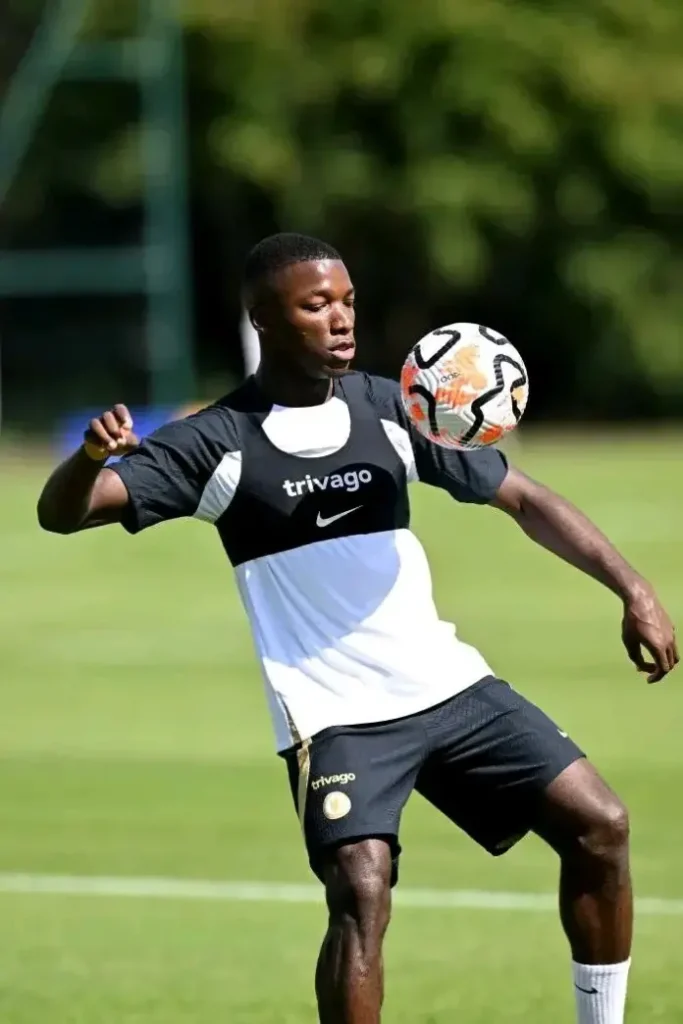
Moisés Caicedo’s Chelsea Choice: A Lesson in Long-Term Vision and the Evolving Football Landscape
Moisés Caicedo’s move to Chelsea certainly raised eyebrows. Plenty scoffed when he picked Stamford Bridge over Arsenal. We all remember the headlines, the social media frenzy. Did he make the right call? It seemed like a gamble at the time, particularly after a rocky start.
The story, as Caicedo tells it, boils down to belief and a long-term project. He saw something in Chelsea’s ambition, a vision that resonated more deeply than Arsenal’s immediate prospects. “I waited until Chelsea came for me,” he admits, acknowledging the initial ridicule. It’s a bold statement, a calculated bet on himself and the club’s trajectory.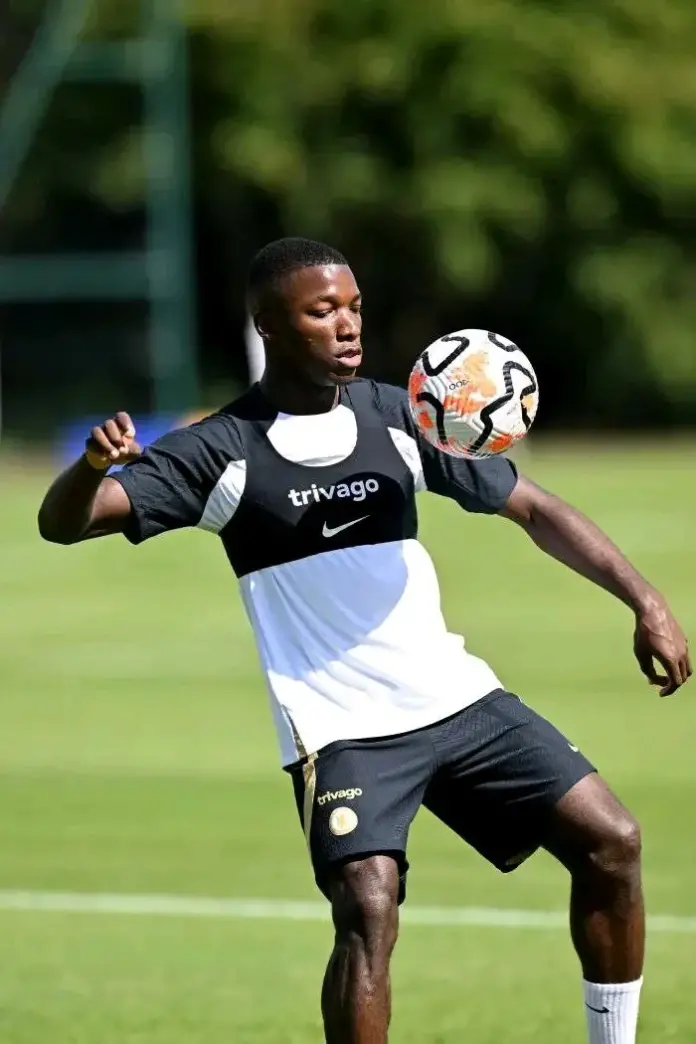 >
>
This situation highlights something crucial about the modern football industry. Player decisions aren’t solely based on current form or potential immediate glory. Instead, factors like club infrastructure, coaching philosophy, and a player’s personal fit weigh heavily. We are looking at players taking control of their careers. They are making the right moves based on how they will thrive.
Think about it. A young player like Caicedo is essentially investing in a multi-year project. He’s betting on Chelsea to build a squad and a culture that will eventually deliver trophies. He is planning for the future. It displays a level of foresight that goes beyond the typical “I want to win now” narrative.
Yet, a healthy dose of skepticism is warranted. Big clubs often sell grand visions that don’t materialize. Promises are made, managers change, and suddenly that “long-term project” feels like a distant memory. Chelsea’s recent history is checkered, to say the least. This raises the stakes for both Caicedo and the club. They both need to deliver.>
It’s worth pondering the influence of agents and advisors in these deals. Do they genuinely prioritize a player’s development, or are they swayed by lucrative contracts and commission fees? The answer, inevitably, is a complex mix of both. Caicedo’s representatives surely played a pivotal role in navigating the competing offers and ultimately steering him toward Chelsea.
Given these facts, Caicedo’s situation serves as a fascinating case study in player empowerment and the shifting power dynamics within football transfers. Players, particularly those with high potential, are increasingly aware of their market value and are actively shaping their career paths. They can take calculated risks and ignore the immediate gratification of joining a seemingly “better” team if they see a more promising future elsewhere.
Looking at Caicedo’s first season, it’s easy to point fingers and say he made the wrong decision. But adaptation takes time, especially at a club undergoing significant changes. New ownership, new players, a constantly evolving tactical approach – these factors create a volatile environment that can hinder even the most talented players.
Now, under Enzo Maresca, Caicedo is finding his footing. He’s becoming the player Chelsea believed he could be. He is beginning to make his mark. The jeers have quieted, replaced by cautious optimism. His story underscores the importance of patience, both from the player and the club.
This challenge for Chelsea lies in maintaining stability and providing Caicedo with the environment he needs to thrive. Frequent managerial changes and a revolving door of players will only disrupt his progress and undermine the long-term vision that attracted him in the first place. Consistency is key.
It’s also notable that Caicedo publicly acknowledged the criticism he faced. He didn’t shy away from the doubters; he used it as motivation. “People laughed. They said I chose the wrong place, but sometimes you need time to adapt to a big team,” he stated. That level of self-awareness and resilience is rare, and it suggests that Caicedo possesses the mental fortitude to overcome challenges and prove his doubters wrong.
We see so many young players crumble under the pressure of a big-money move. Caicedo’s ability to stay focused and committed to the long-term project at Chelsea is a testament to his character. His success, or lack thereof, will be an interesting barometer of success. This is a barometer of the modern player-club relationship.
In any case, Caicedo’s Chelsea journey highlights a fundamental shift in how players approach their careers. It’s no longer just about joining the biggest club with the most immediate chance of winning trophies. It’s about finding a club that believes in you, shares your vision, and provides the platform for long-term growth. Whether Chelsea can deliver on that promise remains to be seen. The football world will watch with bated breath. We wait to find out if his calculated risk pays off. He’s shown glimpses. Only time will tell.

![[post_title]](https://samony.com.ng/wp-content/uploads/2025/11/PDP-Condemns-Tinubu-Ambassadorial-List-As-Scandalous-Misaligned-With-National-300x177.jpg?lm=692BF3A7 "PDP Condemns Tinubu Ambassadorial List As Scandalous, Misaligned With National Values – Arise News")
![[post_title]](https://samony.com.ng/wp-content/uploads/2025/11/Im-the-most-ranked-Christian-in-government-Akpabio-boasts-300x169.jpeg?lm=692BF1E7 "‘I’m the most ranked Christian in government’- Akpabio boasts")
![[post_title]](https://samony.com.ng/wp-content/uploads/2025/11/1764487096_I-filmed-my-boyfriend-bonking-an-escort-for-his-birthday-300x158.jpg?lm=692BEFBB "‘I filmed my boyfriend bonking an escort for his birthday – now he wants a re-run’")
![[post_title]](https://samony.com.ng/wp-content/uploads/2025/11/1764483101_Great-but-Wait-for-a-Good-Sale-300x169.jpg?lm=692BE020 "Great, but Wait for a Good Sale")
![[post_title]](https://samony.com.ng/wp-content/uploads/2025/11/1764485830_Judy-Austin-absent-as-Yul-Edochie-reunites-happily-with-Rita-300x150.jpg?lm=692BEACA "Judy Austin absent as Yul Edochie reunites happily with Rita Edochie")


![[post_title]](https://samony.com.ng/wp-content/uploads/2025/11/Im-on-my-lane-Regina-Daniels-flaunts-new-life-1024x512.jpg?lm=692BF221 "“I’m on my lane” – Regina Daniels flaunts new life in London, shares happy moments")
![[post_title]](https://samony.com.ng/wp-content/uploads/2025/11/PDP-Condemns-Tinubu-Ambassadorial-List-As-Scandalous-Misaligned-With-National.jpg?lm=692BF3A6 "PDP Condemns Tinubu Ambassadorial List As Scandalous, Misaligned With National Values – Arise News")
![[post_title]](https://samony.com.ng/wp-content/uploads/2025/11/Im-the-most-ranked-Christian-in-government-Akpabio-boasts-1024x576.jpeg?lm=692BF1E8 "‘I’m the most ranked Christian in government’- Akpabio boasts")
