

Nigeria’s Diplomatic Dance: Tinubu, Jonathan, and Guinea-Bissau’s Uncertain Future
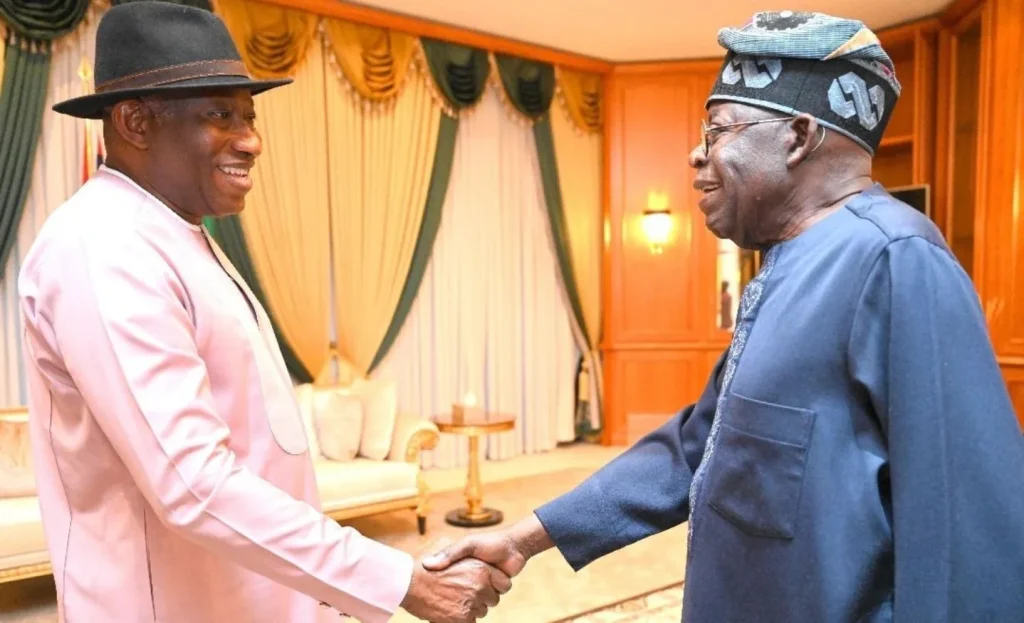
President Tinubu receiving Goodluck Jonathan at Aso Rock in late November 2025 wasn’t just a photo op. It signifies something potentially more complex. Jonathan’s Guinea-Bissau mission, abruptly complicated by a military takeover, put him in a delicate spot. He wasn’t simply an observer; he became a key witness to a potential crisis unfolding.
It’s easy to paint this as a simple handover of information. Jonathan briefs Tinubu, the latter absorbs, and Nigeria decides its next move. Yet, these situations rarely unfold that neatly. Consider the weight of Jonathan’s words. He termed the takeover a “ceremonial coup,” a seemingly contradictory phrase. Is he downplaying the severity? Trying to avoid escalating tensions? Or offering a nuanced assessment that escapes simpler labels? It’s worth pondering.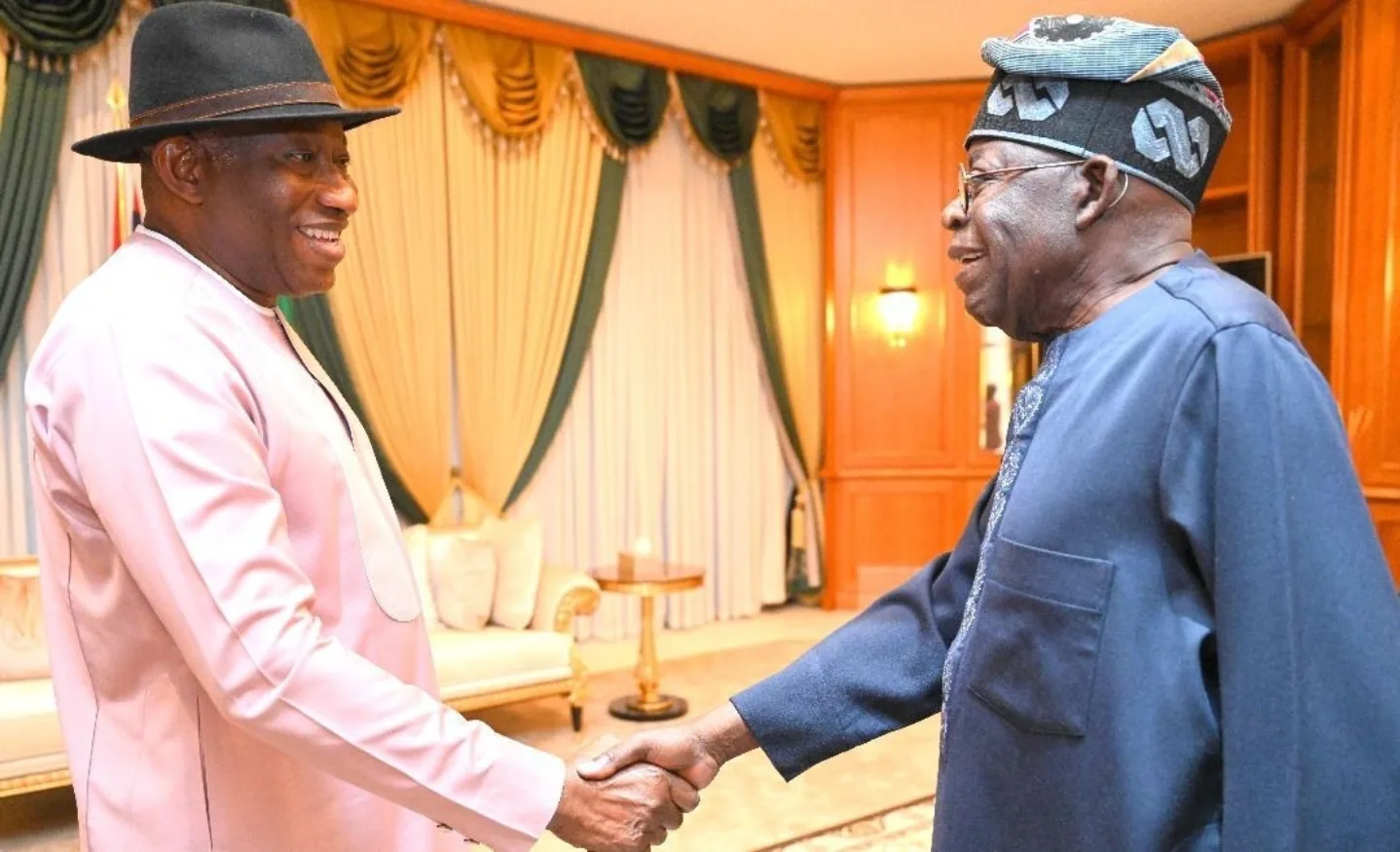 >
>
His description prompts a question: What constitutes a coup in the 21st century? The old playbook of tanks in the streets might be evolving. Perhaps it’s now more about subtle power grabs, orchestrated narratives, and manufactured consent. The Guinea-Bissau situation, if Jonathan’s account is precise, challenges us to rethink traditional definitions.
Tinubu’s response is the next piece of the puzzle. How does he interpret Jonathan’s briefing? Does he accept the “ceremonial coup” assessment? Or will Nigeria, potentially in conjunction with ECOWAS, adopt a more assertive stance? Regional stability hangs in the balance. Nigeria’s role, given its position in West Africa, is pivotal.
The call for the declared winner to be formally announced also raises questions. Was there foul play during the election? If so, is ignoring the democratic process preferable to prevent further turmoil? Pragmatism often clashes with ideals in these situations. It appears a practical approach that values peace is the favorable option.>
I’ve seen this pattern before. Regional powers often walk a tightrope, balancing intervention and non-interference. Nigeria, under Tinubu, is no exception. The dynamics are fascinating, particularly when considering Nigeria’s domestic challenges. Can a nation grappling with its own internal struggles effectively project stability outwards?
Jonathan’s involvement, a former president playing a key diplomatic role, is equally compelling. It suggests a degree of continuity in Nigeria’s foreign policy, irrespective of who sits in Aso Rock. Yet, it also hints at the complex web of relationships that shape Nigerian politics. His counsel clearly holds value.
There’s also the undercurrent of international influence to consider. Which external actors have a vested interest in Guinea-Bissau? What role, if any, did they play in the takeover? These are the questions that often remain unasked in official statements, but they shape the realpolitik landscape.
From my experience, international diplomacy relies heavily on image management. Expect carefully crafted statements emphasizing peaceful resolutions, democratic principles, and regional cooperation. This is the language of diplomacy. However, behind closed doors, tougher decisions will be made.
What’s truly fascinating, though, is the human element. Picture Jonathan, a former head of state, walking back into Aso Rock to brief his successor on a tense situation abroad. The history, the shared experiences, the unspoken understandings – these factors color the entire exchange. It’s more than just a briefing; it’s a transfer of responsibility, a passing of the torch.
The situation in Guinea-Bissau is a microcosm of larger geopolitical trends: fragile democracies, the rise of non-state actors, and the constant push and pull between internal affairs and external pressures. Jonathan’s on-the-ground perspective offers valuable data points, something more valuable than relying solely on intelligence reports and diplomatic cables.
The coming weeks will reveal much. Will the “ceremonial coup” remain ceremonial? Will Guinea-Bissau descend further into political chaos? Or will Nigeria, along with regional partners, help steer the country toward a more stable future?
Nigeria’s approach warrants close watching. This situation offers a window into the nation’s evolving role on the African stage. It provides an opportunity to assess its commitment to democratic ideals, its capacity for conflict resolution, and its ability to navigate the murky waters of international politics. Only time will tell how this chapter unfolds. What’s at stake extends beyond Guinea-Bissau. It touches on the credibility and stability of the entire West African region. That’s a burden of responsibility Tinubu now carries.

![[post_title]](https://samony.com.ng/wp-content/uploads/2025/11/Washington-cleared-to-play-against-Heat-after-back-issue-300x157.png?lm=692BE25A "Washington cleared to play against Heat after back issue")
![[post_title]](https://samony.com.ng/wp-content/uploads/2025/11/Rufai-reveals-monthly-salaries-of-Nigerian-ambassadors-300x193.jpeg?lm=692BE2F5 "Rufai reveals monthly salaries of Nigerian ambassadors")
![[post_title]](https://samony.com.ng/wp-content/uploads/2025/11/1764483075_Energy-sucking-vampire-devices-that-could-save-you-146-if-unplugged-300x158.jpg?lm=692BE006 "Energy-sucking vampire devices that could save you £146 if unplugged")
![[post_title]](https://samony.com.ng/wp-content/uploads/2025/11/1764481753_Washington-Commanders-vs-Denver-Broncos-NFL-Preview-Team-news-betting-300x169.jpg?lm=692BDAE0 "Washington Commanders vs Denver Broncos NFL Preview: Team news, betting, tickets, live stream, Fantasy Football and more")
![[post_title]](https://samony.com.ng/wp-content/uploads/2025/11/EFCC-Seizes-Buharis-Ex-Minister-Malamis-Passport-As-490-Million-300x180.jpg?lm=692BDB32 "EFCC Seizes Buhari’s Ex Minister, Malami’s Passport As $490 Million Abacha Loot Probe Deepens")

![[post_title]](https://samony.com.ng/wp-content/uploads/2025/11/Burna-Boy-THE-GOOD-THE-BAD-and-THE-UGLY.jpg?lm=692BE360 "Is Burna Boy’s Attitude Threatening His Empire?")
![[post_title]](https://samony.com.ng/wp-content/uploads/2025/11/Washington-cleared-to-play-against-Heat-after-back-issue-1024x536.png?lm=692BE25A "Washington cleared to play against Heat after back issue")
