

![[post_title]](https://samony.com.ng/wp-content/uploads/2025/11/1764477621_Pictures-show-150-metre-tall-fireball-explosion-as-hundreds-of-1024x538.jpg?lm=692BCAB6)
Sydney Factory Fire: A Critical Look at Industrial Safety and Response
A massive explosion rocked a Sydney industrial site recently, sending a 150-meter fireball into the night sky and raining debris onto first responders. Initial reports paint a picture of a chemical tank detonation, triggering a blaze that required over 200 firefighters and aerial support to contain. Pictures from the scene are nothing short of apocalyptic.
It’s easy to focus on the immediate drama – the heroism of the firefighters, the sheer scale of the inferno. However, these incidents always demand a deeper look. How prepared was this facility for a chemical fire? What protocols were in place, and were they followed? These are the questions that need answering to prevent future catastrophes.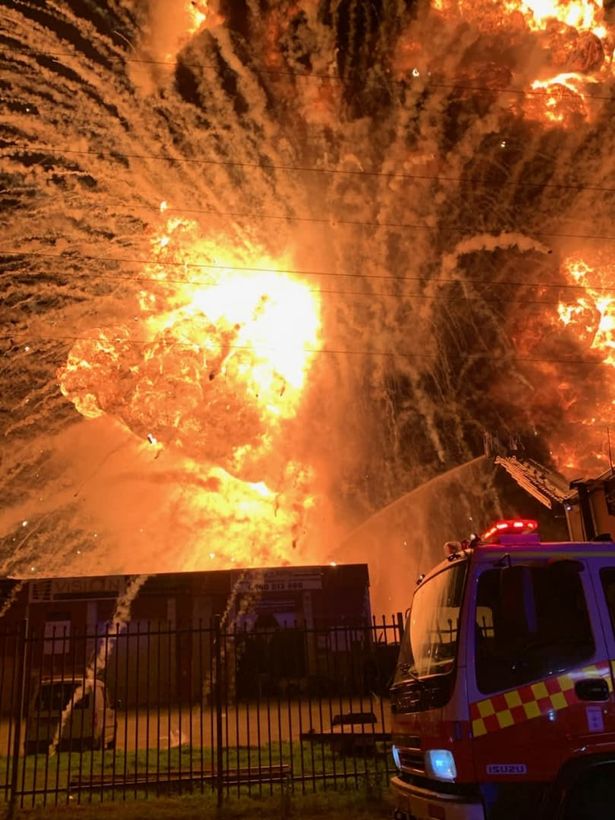 >
>
These industrial accidents, unfortunately, aren’t isolated events. I’ve seen similar incidents play out over the years, each one a stark reminder of the inherent risks associated with handling hazardous materials. What separates a near-miss from a full-blown disaster often boils down to preparation, rigorous safety standards, and rapid, effective response.
The speed and scale of the emergency response are commendable in this Sydney incident. Bringing in specialist HAZMAT officers and involving the Environment Protection Authority shows a coordinated effort to mitigate the environmental impact. Still, the fact that firefighters sustained injuries, even minor burns, highlights the dangerous nature of the situation and perhaps points to areas where safety measures could improve.
One has to wonder about the location of such a facility within a relatively populated area. The warning issued to residents within 500 meters to stay indoors and close windows raises concerns about potential long-term health effects from smoke inhalation. Zoning regulations and risk assessments must be scrutinized to determine if industrial sites are appropriately distanced from residential zones. This challenge will become increasingly relevant as urban sprawl continues.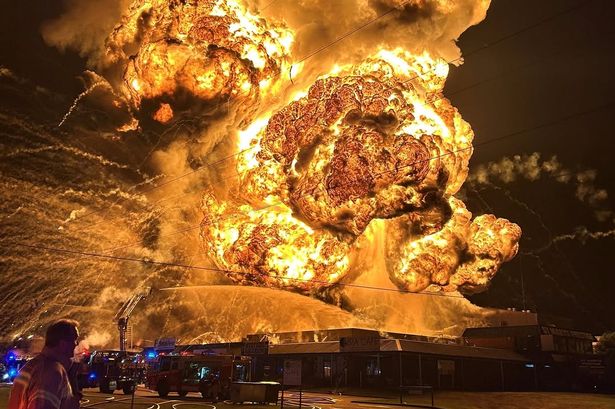 >
>
The investigation into the cause of the fire is paramount. Was it a mechanical failure? Human error? Or something more sinister? Uncovering the root cause is crucial, not only for holding responsible parties accountable but also for identifying systemic weaknesses that need addressing across the industry.
While it’s tempting to jump to conclusions, a balanced perspective is necessary. Industrial operations are vital for modern life. They provide jobs and produce essential goods. Yet, this incident reminds us that economic progress cannot come at the expense of public safety and environmental protection.
Given these facts, improved monitoring and alert systems are essential. Early detection of chemical leaks or unusual temperature spikes could provide crucial time to avert a catastrophe. Moreover, robust training programs for employees are vital, focusing on emergency procedures and the proper handling of hazardous materials.
It’s worth noting the psychological impact on the first responders. Witnessing such a large explosion and fighting a chemical fire takes a toll. Adequate mental health support for these brave individuals is not merely a gesture of gratitude; it’s a necessity.
Looking ahead, expect increased scrutiny on industrial safety regulations, not just in Australia but globally. Governments and regulatory bodies will likely face pressure to tighten standards, increase inspections, and impose harsher penalties for violations.
This incident in Sydney should serve as a wake-up call. It’s a reminder that vigilance, proactive safety measures, and a commitment to continuous improvement are the only ways to minimize the risks associated with hazardous industries. Only through transparency and accountability can we hope to prevent such devastating events from recurring. And while technology can help, a strong safety culture, ingrained from the top down, is the most critical factor. This culture must prioritize the well-being of workers, the community, and the environment above all else.

![[post_title]](https://samony.com.ng/wp-content/uploads/2025/11/WATCH-ATM-Card-Scammer-Seriously-Beaten-Before-Executing-His-300x275.jpeg?lm=692BCC98 "WATCH || ATM Card Scammer Seriously Beaten Before Executing His Plan")
![[post_title]](https://samony.com.ng/wp-content/uploads/2025/11/How-OpenText-went-all-in-on-AI-300x200.jpeg?lm=692BC105 "OpenText’s AI Shift: Jobs, ROI, and the Human-Machine Balance")
![[post_title]](https://samony.com.ng/wp-content/uploads/2025/11/Unlike-African-Leaders-I-Noticed-European-Presidents-Dont-Have-Police-300x225.jpeg?lm=692BC55B "Why African Leaders’ Security Details Speak Volumes, According to Shehu Sani")
![[post_title]](https://samony.com.ng/wp-content/uploads/2025/11/It-Felt-Frustrating-After-All-The-Time-Memories-And-Connections-300x200.jpg?lm=692BC2FE "“It Felt Frustrating After All The Time, Memories And Connections Built” – Actress Regina Chukwu Heartbroken As She Starts Afresh")
![[post_title]](https://samony.com.ng/wp-content/uploads/2025/11/Survivor-Series-WarGames-Match-Card-How-to-Watch-Previews-Start-300x169.jpg?lm=692BC2B3 "Survivor Series: WarGames Match Card, How to Watch, Previews, Start Time and More")
![[post_title]](https://samony.com.ng/wp-content/uploads/2025/11/Resident-doctors-suspend-indefinite-strike-300x158.jpg?lm=692BC1F2 "Nigerian Doctors Suspend Strike (Again): Will Things Actually Change This Time?")

![[post_title]](https://samony.com.ng/wp-content/uploads/2025/11/1764477526_New-Orleans-Pelicans-Injury-Report-Will-Zion-Williamson-Play-Against-1024x656.jpg?lm=692BCA57 "New Orleans Pelicans Injury Report: Will Zion Williamson Play Against the Warriors Tonight?")
![[post_title]](https://samony.com.ng/wp-content/uploads/2025/11/WATCH-ATM-Card-Scammer-Seriously-Beaten-Before-Executing-His.jpeg?lm=692BCC96 "WATCH || ATM Card Scammer Seriously Beaten Before Executing His Plan")
![[post_title]](https://samony.com.ng/wp-content/uploads/2025/11/How-OpenText-went-all-in-on-AI-1024x682.jpeg?lm=692BC106 "OpenText’s AI Shift: Jobs, ROI, and the Human-Machine Balance")
