

![[post_title]](https://samony.com.ng/wp-content/uploads/2025/11/1764461681_Thanksgiving-home-invasion-leaves-dog-dead-and-widow-without-wedding-1024x683.png?lm=692B8C73)
Analyzing the Rise in Home Invasions: A Deeper Look
Home invasions, a nightmare scenario for any homeowner, appear to be on the rise. The recent story of Monica Lopez, a 76-year-old widow whose home was ransacked on Thanksgiving, tragically highlights this disturbing trend. Intruders stole not only valuables but also her sense of security, leaving her grieving the death of her dog and facing financial hardship. This Covina, California, incident is not isolated; it serves as a stark reminder of the vulnerabilities many homeowners face.
Are home invasions actually increasing, or are we just hearing about them more? It’s a valid question. News cycles tend to amplify certain narratives, and fear sells. Still, law enforcement data in some areas does suggest a worrying uptick in burglaries that turn violent. A confluence of factors could be at play. >
>
Economic hardship certainly casts a long shadow. Desperate times can drive desperate measures. Then, there’s the influence of social media. While it connects us, it also provides criminals with potential targets. People often flaunt their possessions online, unwittingly advertising their wealth and creating a sense of envy that can translate into criminal activity.
Burglaries, sadly, are not new, but the increasing brazenness of some criminals is concerning. In Lopez’s case, the intruders seemingly didn’t care if someone was home. This shift suggests a growing disregard for human life and a greater willingness to take risks.
It’s worth noting that security measures, while helpful, aren’t foolproof. Home security systems, reinforced doors, and vigilant neighbors can deter some criminals. They can also create a false sense of security. Determined burglars often find ways to circumvent these precautions. They study routines, exploit weaknesses, and sometimes even resort to violence.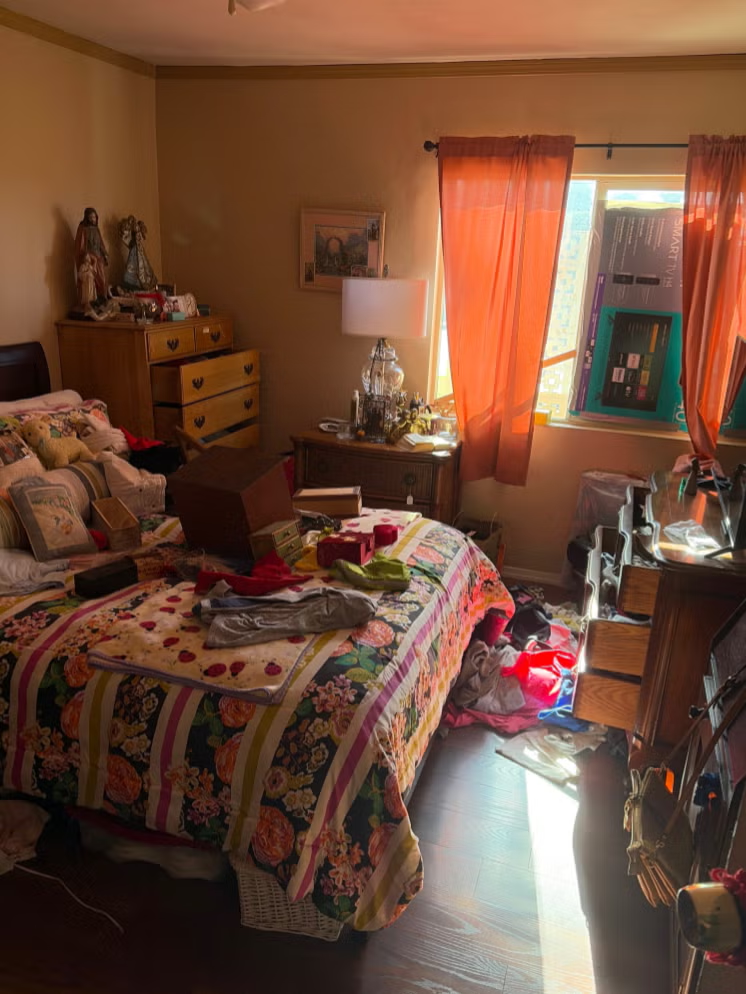 >
>
This challenge pushes us to consider a multi-layered approach to home security. Think beyond just alarms and cameras. It starts with fostering a strong sense of community. Neighbors looking out for each other can be an incredibly effective deterrent. Simple things, like reporting suspicious activity and sharing information, can make a difference.
Furthermore, homeowners should assess their vulnerability. Avoid overtly displaying wealth. Keep landscaping trimmed to eliminate hiding spots. And be mindful of social media posts. These steps might seem obvious, but they are often overlooked.
Consider the role of law enforcement too. Police departments need adequate resources to investigate burglaries and prosecute offenders. Community policing initiatives, which foster relationships between officers and residents, can help deter crime and build trust.
The speed with which information spreads these days makes it easier to track evolving crime patterns. The brazen nature of the Thanksgiving home invasion, coupled with the family’s suspicion of a prior attempted break-in, underscores the need for swift and thorough investigations. Detectives looking at fingerprints collected at the scene offer a glimmer of hope, but prevention remains key.
We also cannot dismiss the emotional impact of home invasions. Beyond the financial losses, there’s the trauma of having one’s sanctuary violated. For elderly individuals like Monica Lopez, the psychological toll can be particularly devastating. Access to counseling and support services becomes crucial in helping victims recover and rebuild their lives.
Given these facts, what can be done to reverse this trend? There are no easy answers. It’s a complex problem that requires a multi-pronged approach. We need to address the underlying social and economic factors that contribute to crime. We need to strengthen communities and empower individuals to take proactive steps to protect themselves. And we need to ensure that law enforcement has the resources and support they need to effectively combat crime.
The GoFundMe campaign launched for Monica Lopez speaks to the generosity of strangers and the power of community support in the face of tragedy. Still, a long-term solution requires more than just charitable donations. It demands a concerted effort to create a safer and more just society for everyone. It is not just about installing better locks. It is about rebuilding the social fabric and ensuring that everyone has the opportunity to live with dignity and security.
Frankly, seeing patterns like this emerge forces a re-evaluation of current strategies. Are we simply reacting to crime, or are we proactively preventing it? The answer likely lies somewhere in the middle. Finding that balance is the key to creating safer communities for all.

![[post_title]](https://samony.com.ng/wp-content/uploads/2025/11/Ankers-handy-little-3-port-charger-is-just-35-bucks-300x155.jpg?lm=692B8632 "Anker Prime 67W Charger: Travel Charging Refined")
![[post_title]](https://samony.com.ng/wp-content/uploads/2025/11/EFCC-Alleges-Arik-Air-Mismanagement-Under-AMCON-Receivership-N350bn-Losses-300x170.jpg?lm=692B8720 "Arik Air’s Collapse: Did AMCON Asset Strip or Mismanage N350 Billion?")

![[post_title]](https://samony.com.ng/wp-content/uploads/2025/11/1764459660_Liverpool-parade-driver-Paul-Doyle-likely-to-be-moved-to-300x158.jpg?lm=692B848E "Liverpool Parade Crash: Driver’s PTSD Diagnosis Raises Justice Questions")

![[post_title]](https://samony.com.ng/wp-content/uploads/2025/11/1764459163_She-was-going-through-a-lot-Chat-accuses-Angela-Okorie-300x157.jpg?lm=692B829E "Nollywood Star Accused of Neglecting Her Mom: What’s REALLY Going On?")

![[post_title]](https://samony.com.ng/wp-content/uploads/2025/11/Troops-repel-ISWAP-attack-in-Chibok-1024x576.png?lm=692B8FF8 "Chibok Attack: Did Nigeria Just Win a Battle, or Is the War Still Raging?")
![[post_title]](https://samony.com.ng/wp-content/uploads/2025/11/Ankers-handy-little-3-port-charger-is-just-35-bucks-1024x530.jpg?lm=692B8632 "Anker Prime 67W Charger: Travel Charging Refined")
![[post_title]](https://samony.com.ng/wp-content/uploads/2025/11/EFCC-Alleges-Arik-Air-Mismanagement-Under-AMCON-Receivership-N350bn-Losses.jpg?lm=692B871F "Arik Air’s Collapse: Did AMCON Asset Strip or Mismanage N350 Billion?")
