

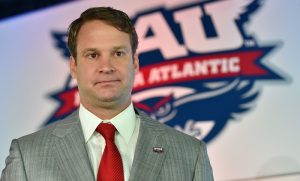
Lane Kiffin’s “Bush League” Jab: A Sign of the Times in Sports Media?
Lane Kiffin’s recent dust-up with an Ole Miss reporter has sparked debate. Kiffin called out the reporter for what he deemed inappropriate language, specifically, the use of the term “ho” in a context Kiffin found offensive. While some might dismiss this as just another coach-media spat, it points to broader shifts happening within the sports journalism landscape.
The line between reporting and commentary blurs daily. The pressure to generate clicks and drive engagement can lead to sensationalism. Some observers might see Kiffin’s reaction as overly sensitive. Yet, there’s an argument to be made that professional standards must be upheld, especially when covering college athletes. The reporter’s choice of words raises questions about objectivity.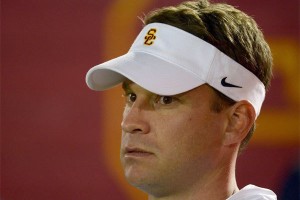 >
>
It’s worth noting that Kiffin, never one to shy away from controversy, likely recognized an opportunity. He seized the chance to control the narrative. In doing so, he shifted the focus away from his coaching decisions, at least temporarily. That’s savvy, if a little predictable. He’s played this game before.
The ease with which opinions now masquerade as facts is a challenge. Social media has amplified this issue. A single tweet can ignite a firestorm. The old guard of journalism, with its emphasis on unbiased reporting, now contends with a generation of content creators who prioritize personality and engagement above all else.
Consider the current media environment. Everyone’s a commentator. The demand for instant analysis has created a marketplace for hot takes. This is great for volume. It is not always great for accuracy. This environment rewards provocation, sometimes at the expense of substance.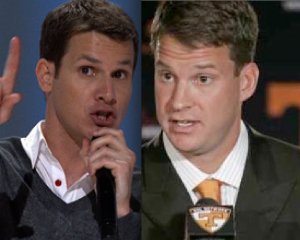 >
>
It’s not just about individual reporters. The business model of sports media incentivizes conflict. Outrage drives clicks, which drives revenue. Owners and editors often reward bombastic voices, regardless of their journalistic integrity. The economic pressures are real.
This situation does not let coaches off the hook. The intense scrutiny that comes with a high-profile coaching job can be relentless. This scrutiny can drive coaches to lash out. Still, Kiffin’s handling of the situation raises a valid question. What level of disrespect should coaches tolerate?
There’s a tension between demanding accountability from the media and respecting freedom of the press. Where do we draw the line? It’s a complex issue with no easy answers. Finding that balance is increasingly tricky.
It’s also worth pondering if Kiffin is simply deflecting. Scrutiny of his future, possible coaching moves elsewhere, these things are probably a bigger distraction than any one reporter.
That being said, there’s a growing awareness of the need for greater sensitivity. Issues of diversity, inclusion, and respect are rightly gaining prominence. This extends to the language we use when discussing athletes, coaches, and their performance. Words matter.
The sports media landscape is in constant flux. The decline of traditional media outlets, coupled with the rise of digital platforms, means more voices, but not necessarily better journalism. Navigating this environment requires critical thinking. It’s vital for both consumers and practitioners.
In any case, the Kiffin-reporter incident serves as a reminder. It highlights the evolving dynamics between coaches, the media, and the public. Expect more of these clashes. The pressure will only increase. Let’s hope the next ones spark more thoughtful discourse. Let’s hope those involved show more professionalism.
The relationship between college football coaches and the media will remain complicated. There will always be tension. The intensity of college football breeds drama.
Moving forward, it will be interesting to observe how universities handle such situations. Will they stand by their coaches? Will they defend their reporters? The answer probably depends on who has the bigger booster. We can only wait and see.
These incidents are a reflection of the times. They are indicative of the shifts reshaping how we consume and interpret sports news. They demand that we, as consumers, engage with media with a healthy dose of skepticism and a commitment to thoughtful analysis. A little more perspective would certainly help.

![[post_title]](https://samony.com.ng/wp-content/uploads/2025/11/1764459163_She-was-going-through-a-lot-Chat-accuses-Angela-Okorie-300x157.jpg?lm=692B829E "Nollywood Star Accused of Neglecting Her Mom: What’s REALLY Going On?")
![[post_title]](https://samony.com.ng/wp-content/uploads/2025/11/1764457782_Arrests-made-in-New-York-after-protesters-appear-to-foil-300x200.jpeg?lm=692B7D3A "Chinatown Immigration Protest Sparks Debate on Enforcement and Public Perception")
![[post_title]](https://samony.com.ng/wp-content/uploads/2025/11/Murray-Bruce-Hails-Tinubus-New-Ambassadorial-List-300x176.jpg?lm=692B7CD6 "Tinubu’s Risky Diplomatic Gambit: Are These Ambassadors Ready for the World Stage?")

![[post_title]](https://samony.com.ng/wp-content/uploads/2025/11/1764459660_Liverpool-parade-driver-Paul-Doyle-likely-to-be-moved-to-1024x538.jpg?lm=692B848C "Liverpool Parade Crash: Driver’s PTSD Diagnosis Raises Justice Questions")
![[post_title]](https://samony.com.ng/wp-content/uploads/2025/11/1764459163_She-was-going-through-a-lot-Chat-accuses-Angela-Okorie-1024x535.jpg?lm=692B829E "Nollywood Star Accused of Neglecting Her Mom: What’s REALLY Going On?")
