

Tottenham Hotspur Turmoil: Analyzing On-Pitch Frustrations and Fan Reactions
Public disagreements within sports teams, especially high-profile clubs like Tottenham Hotspur, attract considerable attention. The recent incident involving Pedro Porro and Lucas Bergvall, following a home defeat to Fulham, highlights deeper issues. Was it just a momentary outburst, or a symptom of something more profound?
The article points to Porro’s apparent anger at Bergvall for applauding the Spurs supporters after a 2-1 defeat. It is a telling sign. Losing obviously breeds frustration. Still, the fact that it boiled over publicly suggests a crack in the team’s united front. Such displays risk alienating fans and disrupting team cohesion.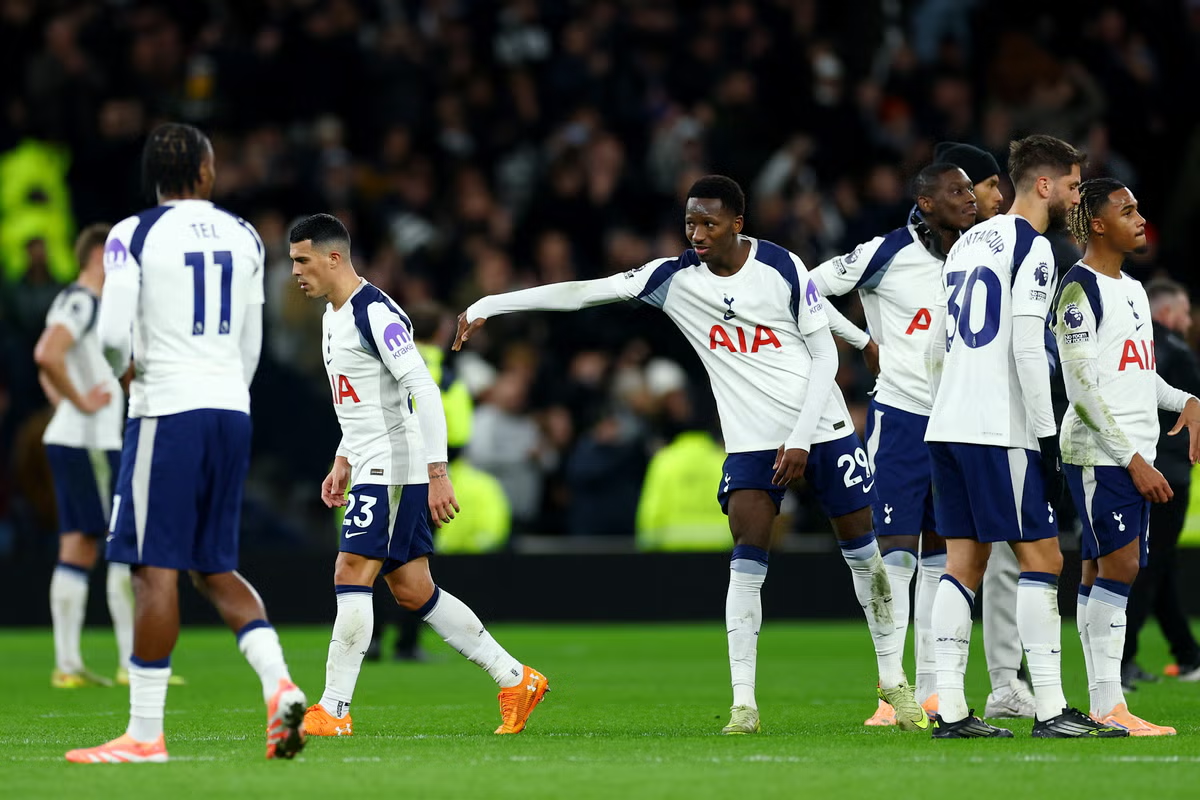 >
>
Fan reactions are equally noteworthy. The booing of goalkeeper Guglielmo Vicario draws a sharp rebuke from manager Thomas Frank, who challenges the “true” allegiance of those fans. This prompts a question: What is the line between expressing disappointment and undermining the team’s morale? A little skepticism is warranted here. While unwavering support is ideal, expecting fans to remain silent amidst consistent underperformance seems unrealistic. They invest their time, money, and emotions. Acknowledging their right to voice displeasure, within reasonable bounds, is crucial.
Tottenham’s home form is abysmal. Losing ten league matches at home this calendar year paints a stark picture. No wonder frustration simmers. The pressure mounts on players and management. Addressing this slide requires more than just tactical adjustments. It demands a change in mentality, a renewed sense of purpose, and, perhaps, a more transparent dialogue with the supporters.
The incidents involving Micky van de Ven and Djed Spence further illustrate a disconnect between players and fans. Ignoring instructions to applaud fans after a defeat suggests a lack of understanding of the emotional investment fans make. Their subsequent apologies indicate some awareness of this misstep. Nevertheless, these repeated episodes hint at an underlying issue: Can players truly connect with fans, especially during periods of poor performance?>
Beyond the immediate aftermath of a single defeat, larger factors are at play.
The Managerial Mandate: Does the manager have the full backing of the players? Public displays of dissent can reflect uncertainty in the locker room regarding the manager’s vision. The Pressure of Expectations: Tottenham has consistently flirted with success but often fallen short. The weight of expectation can be crippling for some players, particularly younger ones like Bergvall. The Modern Player-Fan Dynamic: The advent of social media has amplified both positive and negative interactions between players and fans. This heightened scrutiny can create a more fragile relationship.
The article hints that the team is going through a tough patch. Yet, it does not delve into potential solutions. A look inside to understand where the unity of the locker room stands is necessary. Teams often go through periods of adversity. How they respond defines their character. Tottenham needs to use this moment as a catalyst for positive change. They need to reconnect with their fans, and rebuild their confidence on the field.
It’s worth noting that knee-jerk reactions rarely solve complex problems. Firing the manager or scapegoating individual players might provide a temporary distraction, but long-term success requires a more holistic approach. This includes:
Open Communication: Fostering a culture of open dialogue between players, management, and fans. Addressing concerns directly and transparently can help bridge the gap. Clear Leadership: Establishing clear leadership both on and off the field. Players need to know who to follow and what the team’s goals are. Realistic Expectations: Managing expectations both internally and externally. Acknowledging the challenges and setting realistic goals can reduce the pressure on players.
Fan support can wane when the team doesn’t perform well. Still, the reverse is also true. A team can lift the fan support to newer heights with their performance. Fans want to see effort, passion, and a genuine commitment to the club. When they see that, they are more likely to offer their unwavering support, even during difficult times. Tottenham has the potential to turn things around. However, that will require a collective effort, a willingness to learn from mistakes, and a renewed focus on building a strong, unified team.
Ultimately, the incident between Porro and Bergvall serves as a microcosm of the challenges facing Tottenham Hotspur. A combination of on-field struggles, fan frustration, and potential internal divisions are affecting the team. Overcoming these challenges requires more than just tactical adjustments. It demands a fundamental shift in culture, communication, and leadership. Only then can Tottenham truly unlock its potential and regain the trust of its loyal supporters.

![[post_title]](https://samony.com.ng/wp-content/uploads/2025/11/Ex-NYSC-Spokesperson-Advises-Corps-Members-to-Uphold-Patriotism-and-Play-300x238.jpg?lm=692B79E0 "NYSC: Patriotism vs. Reality for Nigerian Graduates")
![[post_title]](https://samony.com.ng/wp-content/uploads/2025/11/1764457271_MAFS-star-Davide-reveals-I-called-Keye-136-times-before-300x158.jpg?lm=692B7B38 "MAFS UK’s Davide Exposes Keye Split: Unanswered Calls and Grindr Claims")
![[post_title]](https://samony.com.ng/wp-content/uploads/2025/11/The-best-gaming-headset-I-tried-this-year-is-60-300x156.jpg?lm=692B784F "Fractal Scape Wireless Gaming Headset: Black Friday Deal Worth It?")
![[post_title]](https://samony.com.ng/wp-content/uploads/2025/11/We-need-a-win-to-carry-on-adding-another-three-300x169.jpg?lm=692B7578 "Real Madrid’s Secret Sauce: What’s Really Going On This Season?")

![[post_title]](https://samony.com.ng/wp-content/uploads/2025/11/Murray-Bruce-Hails-Tinubus-New-Ambassadorial-List.jpg?lm=692B7CD3 "Tinubu’s Risky Diplomatic Gambit: Are These Ambassadors Ready for the World Stage?")
![[post_title]](https://samony.com.ng/wp-content/uploads/2025/11/Ex-NYSC-Spokesperson-Advises-Corps-Members-to-Uphold-Patriotism-and-Play.jpg?lm=692B79DF "NYSC: Patriotism vs. Reality for Nigerian Graduates")
