

Analyzing Senator Akpabio’s Claims of Divine Transformation: A Critical Perspective
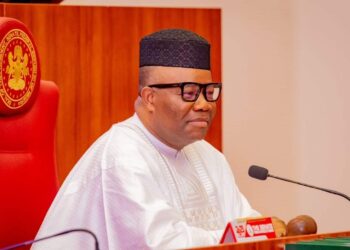
Senator Godswill Akpabio’s recent declaration of being “transformed” by God’s grace sparks several thoughts, particularly regarding faith and governance in Nigeria. His statement, made at the commissioning of a church rectory, invites a deeper look at the intersection of religious belief and political power.
Akpabio’s rise to Senate President, as he himself notes, is quite remarkable. He attributes this ascent to divine intervention, suggesting a powerful connection between faith and his current position. Yet, it prompts questions about the role of secular governance in a multi-religious society. >
>
The assertion that God raised him “from a nobody” resonates with many who believe in the power of faith. Still, it overlooks the complex factors – political maneuvering, strategic alliances, and societal influences – that inevitably shape a political career.
His call for Nigerians to “be more committed to working for God” raises eyebrows. While personal faith is a right, the extent to which religious devotion should influence public service remains a delicate balance. One wonders how this commitment translates into policy and whether it adequately serves the diverse religious landscape of the nation.
Akpabio’s emphasis on contributing to church development deserves attention. He implies that such contributions ensure divine blessings. Yet, a more critical viewpoint might question whether this encourages a prosperity gospel mentality. It is also valid to ask if there’s enough focus on secular, societal development.>
It’s worth noting the Catholic Bishop’s advice to Akpabio: ignore the criticisms. This counsel, while supportive, could also be interpreted as discouraging accountability. Scrutiny comes with leadership, and dismissing it outright risks creating an echo chamber.
The upcoming commissioning of a worship place within the National Assembly premises signals a growing visibility of religion in government. This could foster inclusivity. On the other hand, it could also unintentionally alienate those of differing faiths or no faith, a challenge requiring careful navigation.
From my vantage point, having watched similar trends play out across different sectors, the blending of religious rhetoric and political ambition isn’t novel. What matters is how these assertions translate into tangible actions and policies. Does it lead to more equitable governance, or does it inadvertently create divisions?
This challenge of faith and governance demands nuanced discussion. It necessitates separating genuine spiritual conviction from the potential for political exploitation. It also requires ensuring that the rights and needs of all citizens, regardless of their religious beliefs, are adequately addressed.
Given these facts, it’s crucial to assess Akpabio’s actions beyond his words. Are his policies inclusive? Do they promote social justice and equality? Or do they disproportionately favor certain religious groups?
The answers to these questions will ultimately determine whether Akpabio’s “transformation” benefits all Nigerians or serves only a select few. A critical approach calls for continuous monitoring, evaluation, and holding leaders accountable for their promises, regardless of the spiritual language they employ.
The relationship between faith and leadership is complex, demanding constant vigilance. It requires a commitment to transparency, inclusivity, and a willingness to prioritize the common good above all else. Only time will reveal the true nature of Senator Akpabio’s professed transformation.

![[post_title]](https://samony.com.ng/wp-content/uploads/2025/11/1764449973_Wham-bam-Chaos-as-Tottenham-booed-after-conceding-twice-in-300x200.jpeg?lm=692B5EB6 "Premier League Keepers: Is the Pressure Cooker About to Explode?")
![[post_title]](https://samony.com.ng/wp-content/uploads/2025/11/Silva-challenges-Chukwueze-to-do-more.png?lm=692B5F08 "Premier League Integration: Balancing Talent, Pressure, and Long-Term Vision at Fulham")
![[post_title]](https://samony.com.ng/wp-content/uploads/2025/11/1764450125_Liverpool-owners-talk-to-Jurgen-Klopp-as-manager-Arne-Slot-300x158.jpg?lm=692B5F50 "Liverpool’s Crossroads: Slot’s Future, Klopp Rumors, and FSG’s Dilemma")
![[post_title]](https://samony.com.ng/wp-content/uploads/2025/11/What-people-with-diabetes-want-you-to-know-300x169.jpeg?lm=692B5B6D "Living with Diabetes: Real Voices, Real Insights, Real Change")
![[post_title]](https://samony.com.ng/wp-content/uploads/2025/11/1764449422_Frazer-Clarkes-glam-girlfriend-and-embarrassing-car-park-incident-that-300x158.jpg?lm=692B5C91 "Clarke vs. Tshikeva: Can Politeness Win a Boxing Match? You Decide.")
![[post_title]](https://samony.com.ng/wp-content/uploads/2025/11/Mike-Arnold-slams-Tinubu-over-Reno-Omokris-ambassadorial-nomination-300x169.jpg?lm=692B59A2 "Tinubu’s Ambassadorial Gambit: Loyalty, Competence, and Nigeria’s Global Image.")

![[post_title]](https://samony.com.ng/wp-content/uploads/2025/11/Resident-doctors-suspend-29-day-nationwide-strike-1024x614.jpg?lm=692B6127 "Nigeria’s Doctor Strikes: Treating Symptoms, Ignoring the Disease?")
![[post_title]](https://samony.com.ng/wp-content/uploads/2025/11/1764449973_Wham-bam-Chaos-as-Tottenham-booed-after-conceding-twice-in-1024x682.jpeg?lm=692B5EB6 "Premier League Keepers: Is the Pressure Cooker About to Explode?")
