

![[post_title]](https://samony.com.ng/wp-content/uploads/2025/11/1764444437_South-Africa-inflict-record-home-defeat-on-Wales-but-ugly-1024x683.jpeg?lm=692B4919)
Wales Rugby Humiliation: A Critical Look at the South Africa Debacle and Its Wider Implications
Wales’ recent 73-0 drubbing at the hands of South Africa wasn’t just a defeat; it was a brutal exposure of systemic issues plaguing Welsh rugby. A record home loss, an ugly red card incident, and a general sense of disarray paint a concerning picture. Yet, simply dissecting the match itself misses the bigger picture.
The selection limitations handicapped Wales significantly. Missing a large contingent of players due to the game falling outside the international window undermined their chances. South Africa, while also affected, still possessed a superior pool of talent. Why the Welsh Rugby Union scheduled this match in the first place warrants scrutiny. Was it a financially driven decision that disregarded the competitive integrity of the contest?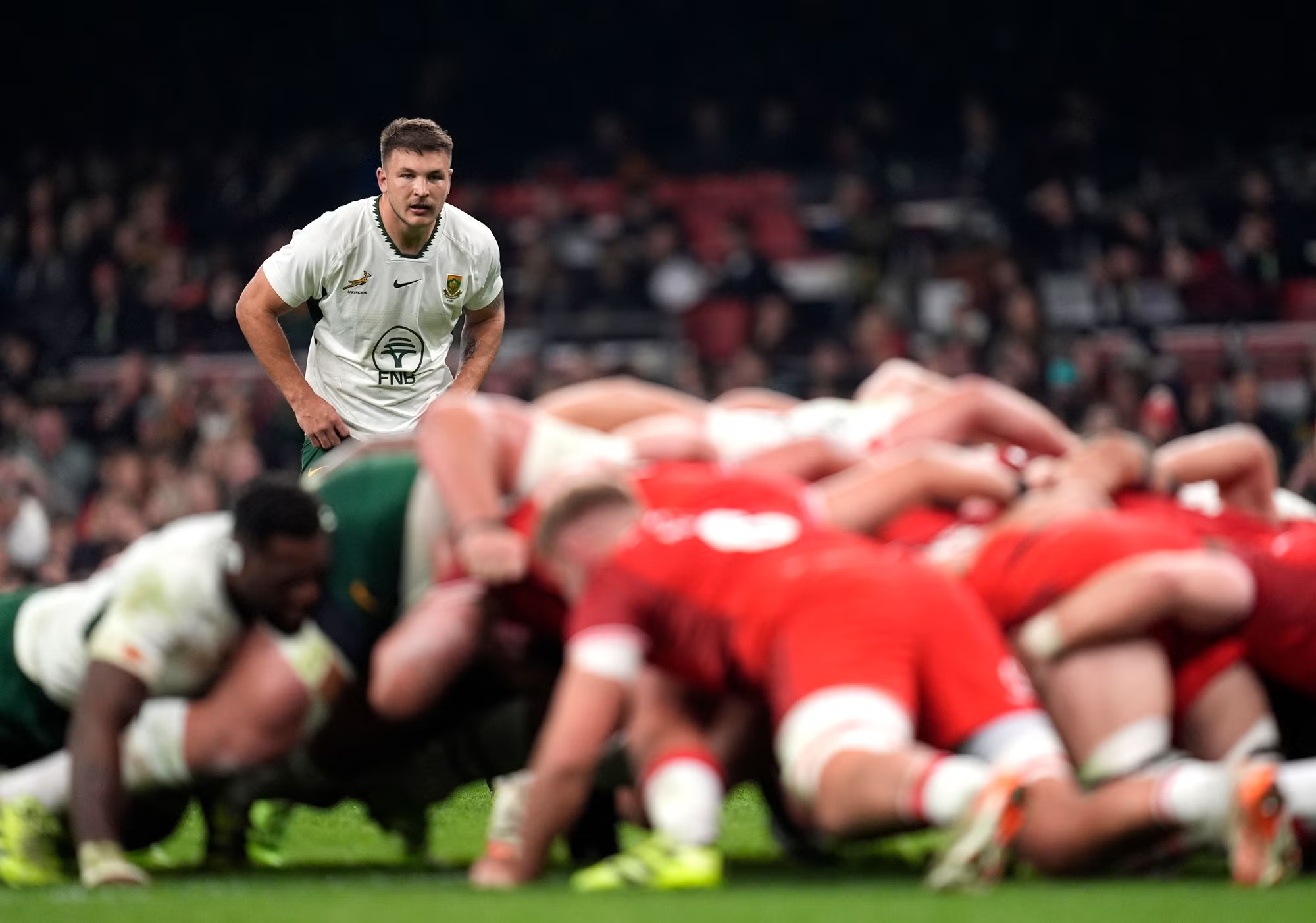 >
>
The Springboks’ dominance exposed more than just a disparity in player availability. Their sheer physicality and ruthlessness at the breakdown completely overwhelmed the Welsh pack. The scrum, in particular, became a consistent source of penalties and attacking platforms for South Africa. It’s worth noting the Springboks’ “Bomb Squad” – their bench – held more test caps than the entire Wales squad. This speaks volumes about the depth of talent available to each side.
It wasn’t just the forwards who shone. The Springbok backline showcased speed, skill, and clinical finishing, ruthlessly exploiting gaps in the Welsh defense. Sacha Feinberg-Mngomezulu, with a personal haul of 28 points, demonstrated the attacking prowess that Wales desperately lacked. The Springboks winning this match shows that international rugby demands that a team be prepared.
The red card incident involving Eben Etzebeth added another layer of negativity to an already dismal affair. Regardless of any potential provocation, the alleged eye gouge is unacceptable and deserved the immediate dismissal. Rassie Erasmus’ post-match comments acknowledged the severity of the offense but hinted at possible mitigating circumstances. Regardless, discipline is paramount, and such actions reflect poorly on the sport.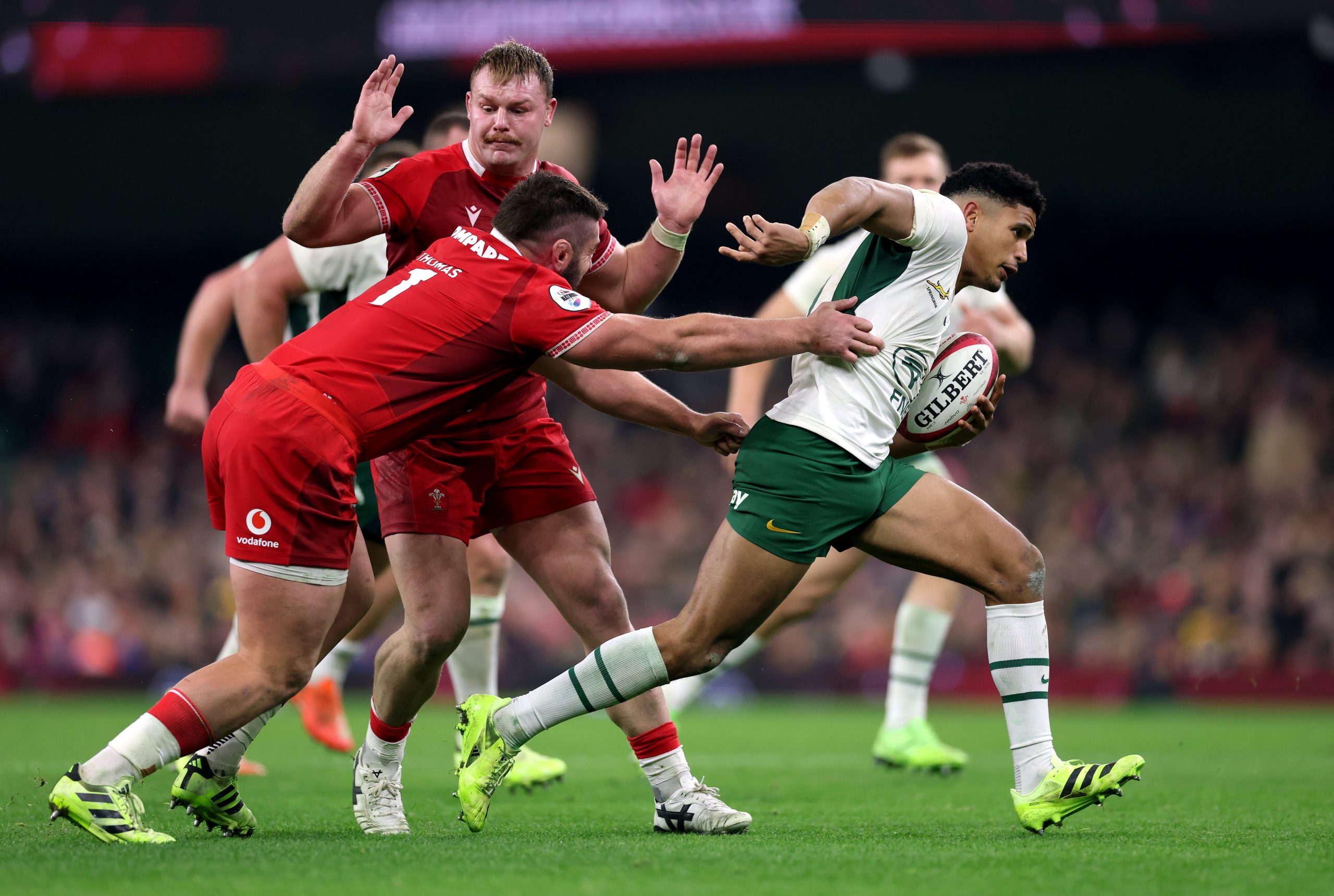 >
>
This defeat underscores a worrying trend for Welsh rugby. Just this year, they’ve now been held scoreless twice, a stark indicator of their struggles in attack. Serious questions should be asked about the current coaching setup. Are the tactics and strategies effective? Is there sufficient development of young talent to ensure a competitive future?
Looking ahead, Wales faces a considerable challenge to rebuild. It requires a holistic approach, from grassroots development to professional structures. The WRU needs to prioritize player welfare, invest in coaching, and ensure that the national team is adequately prepared for international competition. Easy to say.
Still, knee-jerk reactions and scapegoating will not solve the problems. Welsh rugby needs a long-term vision, a commitment to excellence, and a willingness to embrace change. This starts with asking difficult questions and having honest conversations about the current state of the game.
The financial realities cannot be ignored either. The professional game demands significant investment, and the WRU must find ways to generate revenue while remaining committed to the development of the sport at all levels. This requires a careful balancing act, a blend of commercial acumen and sporting integrity.
I’ve seen similar situations unfold in other sports. Often, a period of decline is followed by a resurgence, but only through hard work, dedication, and a clear sense of purpose. Wales has a proud rugby history. It can, and should, aim higher. But it starts with acknowledging the harsh realities exposed by this heavy defeat. The loss to South Africa simply highlights the need for action. The future of Welsh rugby depends on it.

![[post_title]](https://samony.com.ng/wp-content/uploads/2025/12/Setting-the-Record-Straight-On-The-Defamation-Case-Involving-Senator-300x150.jpg?lm=69348567 "Defamation in the Digital Age: Evidence Trumps Agitation")
![[post_title]](https://samony.com.ng/wp-content/uploads/2025/12/Allegations-baseless-entirely-untrue-Ex-Army-chief-Yahaya-on-links-300x200.jpg?lm=69348583 "Terrorism Financing Allegations: Separating Vendetta from Verifiable Facts")

![[post_title]](https://samony.com.ng/wp-content/uploads/2025/12/1765049341_How-pregnancy-is-being-criminalised-in-post-Roe-America-300x169.jpeg?lm=69348401 "Pregnancy Criminalized: America’s Post-Roe Reality")

![[post_title]](https://samony.com.ng/wp-content/uploads/2025/12/1765049531_George-Clarke-to-lose-place-in-Strictly-semi-final-as-worrying-300x158.jpg?lm=693484BF "Is George Clarke Doomed on Strictly? This TikToker’s “Jinx” Has Everyone Freaking Out")


![[post_title]](https://samony.com.ng/wp-content/uploads/2025/12/1765051311_Im-worried-Lady-releases-chat-with-Harrison-Gwamnishu-days-1024x535.jpg?lm=69348BB2 "Gwamnishu’s Arrest: Truth and Allegations")
![[post_title]](https://samony.com.ng/wp-content/uploads/2025/12/Setting-the-Record-Straight-On-The-Defamation-Case-Involving-Senator.jpg?lm=69348565 "Defamation in the Digital Age: Evidence Trumps Agitation")
![[post_title]](https://samony.com.ng/wp-content/uploads/2025/12/Allegations-baseless-entirely-untrue-Ex-Army-chief-Yahaya-on-links.jpg?lm=69348581 "Terrorism Financing Allegations: Separating Vendetta from Verifiable Facts")
