

Analyzing the Evolving Landscape of Women’s Football: A Look at England, the 2035 World Cup Bid, and Key Trends
The England Lionesses are gearing up for friendlies against China and Ghana, with coach Sarina Wiegman planning to use these matches for tactical experimentation. Line-up changes and player evaluations signal a strategic shift, looking ahead to the next Women’s World Cup. The games offer opportunities for players to step up and stake their claim for regular spots.
Player availability can be a challenge. Injury concerns and post-season recovery impact squad selection, as evidenced by recent team news. With key players sidelined, the door opens for new faces and returning veterans to showcase their abilities. It’s worth noting how quickly fortunes can change in football; one minute you’re in, the next you’re out.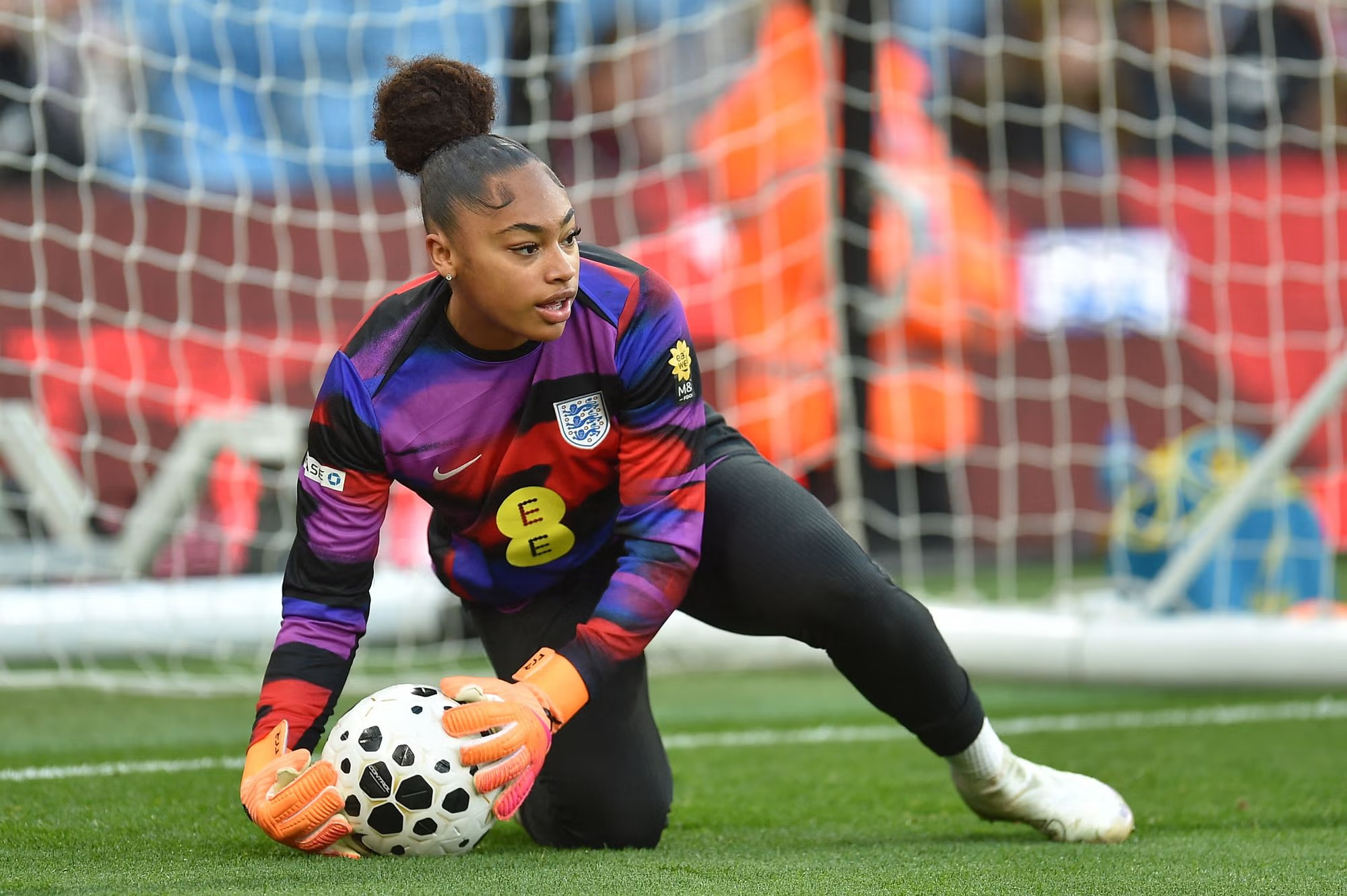 >
>
A significant development is the UK’s joint bid to host the 2035 Women’s World Cup. The proposal encompasses 22 stadiums across England, Wales, Scotland, and Northern Ireland. If successful, this marks the first World Cup held on UK soil since 1966.
The bid indicates a serious commitment to growing the women’s game. It’s a massive undertaking, but the potential impact on the sport’s visibility and infrastructure is undeniable.
Manchester United’s plans for a 100,000-seat stadium, potentially included in the bid, further emphasize this ambition. Such a large-scale project underscores the increasing popularity and commercial viability of women’s football. Stadium upgrades and new facilities would likely continue across the UK, regardless of the bid’s outcome, to meet growing fan demand.>
However, the journey is not without its hurdles. Securing the World Cup bid requires navigating intense international competition. Successfully managing such a large tournament, with numerous venues and logistical complexities, poses a different kind of challenge.
Beyond the immediate friendlies and World Cup aspirations, broader trends are shaping the women’s game. The increasing professionalization of leagues globally is a key driver of growth. More investment translates to better training, facilities, and player development. This, in turn, elevates the quality of play on the field.
Yet, disparities persist. Not all leagues and federations are created equal. Financial constraints and resource limitations continue to hinder progress in some regions. Closing this gap is crucial for ensuring a level playing field and unlocking the full potential of women’s football worldwide.
The Lionesses’ success at Euro 2022 undeniably provided a massive boost in popularity and interest. Winning a major tournament at home had a galvanizing effect, attracting new fans and inspiring the next generation of players. Sustaining this momentum requires continuous effort, both on and off the pitch.
One area that merits attention is media coverage. While progress has been made, women’s football still lags behind its male counterpart in terms of visibility and airtime. Increased media exposure is essential for attracting sponsors, generating revenue, and further expanding the fanbase.
Another factor concerns youth development. Investing in grassroots programs and academies is vital for nurturing talent and ensuring a steady pipeline of skilled players. A strong foundation at the youth level will ultimately benefit the senior national teams.
Looking ahead, the future of women’s football appears bright. The game is evolving rapidly, with increasing investment, professionalism, and global interest. While challenges remain, the potential for further growth and development is immense.
Wiegman’s experimental approach with the England squad, the ambitious World Cup bid, and the ongoing efforts to address systemic issues all contribute to a dynamic and evolving landscape. These are all interconnected elements, and the success of one often depends on the progress of the others.
The key now is to build upon the recent successes, address the existing inequalities, and continue to push the boundaries of what’s possible. The future of women’s football depends on it. It’s an exciting time to watch, but it demands a realistic appraisal of where we stand.

![[post_title]](https://samony.com.ng/wp-content/uploads/2025/11/1764430055_If-I-turn-my-camera-Lady-shares-unexpected-thing-African-300x157.jpg?lm=692B10E8 "China Hustle: Are African Men Really Just Making Egg Sauce?")
![[post_title]](https://samony.com.ng/wp-content/uploads/2025/11/1764430145_Whats-on-your-desk-Sarah-Smithers-300x153.jpg?lm=692B1142 "The Desk Dissected: Function, Form, and the Illusion of Productivity")
![[post_title]](https://samony.com.ng/wp-content/uploads/2025/11/What-Causes-Blue-Poop-300x169.jpg?lm=692B11EE "Blue Poop Panic? Decoding Stool Color and Digestive Health")
![[post_title]](https://samony.com.ng/wp-content/uploads/2025/11/1764430395_I-wore-a-weighted-vest-for-a-month-Was-it-300x200.jpg?lm=692B123B "Weighted Vests: Hype or Helpful for Fitness?")
![[post_title]](https://samony.com.ng/wp-content/uploads/2025/11/CSCS-Spends-N13bn-To-Facilitate-Nigerias-T2-Settlement-Cycle-300x169.jpg?lm=692B1260 "Nigeria’s Stock Market Just Got a Speed Boost: Will It Actually Work?")
![[post_title]](https://samony.com.ng/wp-content/uploads/2025/11/1764429224_Teacher-arrested-over-claims-she-shared-pictures-of-children-being-300x158.jpg?lm=692B0DAB "Protecting Children in the Digital Age: Lessons from a Kindergarten’s Betrayal")


![[post_title]](https://samony.com.ng/wp-content/uploads/2025/11/1764430055_If-I-turn-my-camera-Lady-shares-unexpected-thing-African-1024x535.jpg?lm=692B10E9 "China Hustle: Are African Men Really Just Making Egg Sauce?")
![[post_title]](https://samony.com.ng/wp-content/uploads/2025/11/1764430145_Whats-on-your-desk-Sarah-Smithers-1024x522.jpg?lm=692B1142 "The Desk Dissected: Function, Form, and the Illusion of Productivity")
