

![[post_title]](https://samony.com.ng/wp-content/uploads/2025/11/1764427378_Miscarriages-infections-neglect-The-pregnant-women-detained-by-ICE-1024x683.jpeg?lm=692B0676)
ICE Detention and Pregnant Women: A Critical Look at Reported Neglect
Reports of pregnant women in ICE detention facing mistreatment raise serious questions about oversight and accountability. The Independent’s recent coverage, detailing instances of alleged medical neglect, inadequate nutrition, and unsanitary conditions, paints a disturbing picture. This isn’t just about policy; it’s about the real-life impact on vulnerable individuals.
One case highlighted the ordeal of “Alicia,” a woman who allegedly suffered a miscarriage while detained and experienced inadequate medical care. Her story underscores the complexities of immigration enforcement when it intersects with healthcare, particularly for pregnant women.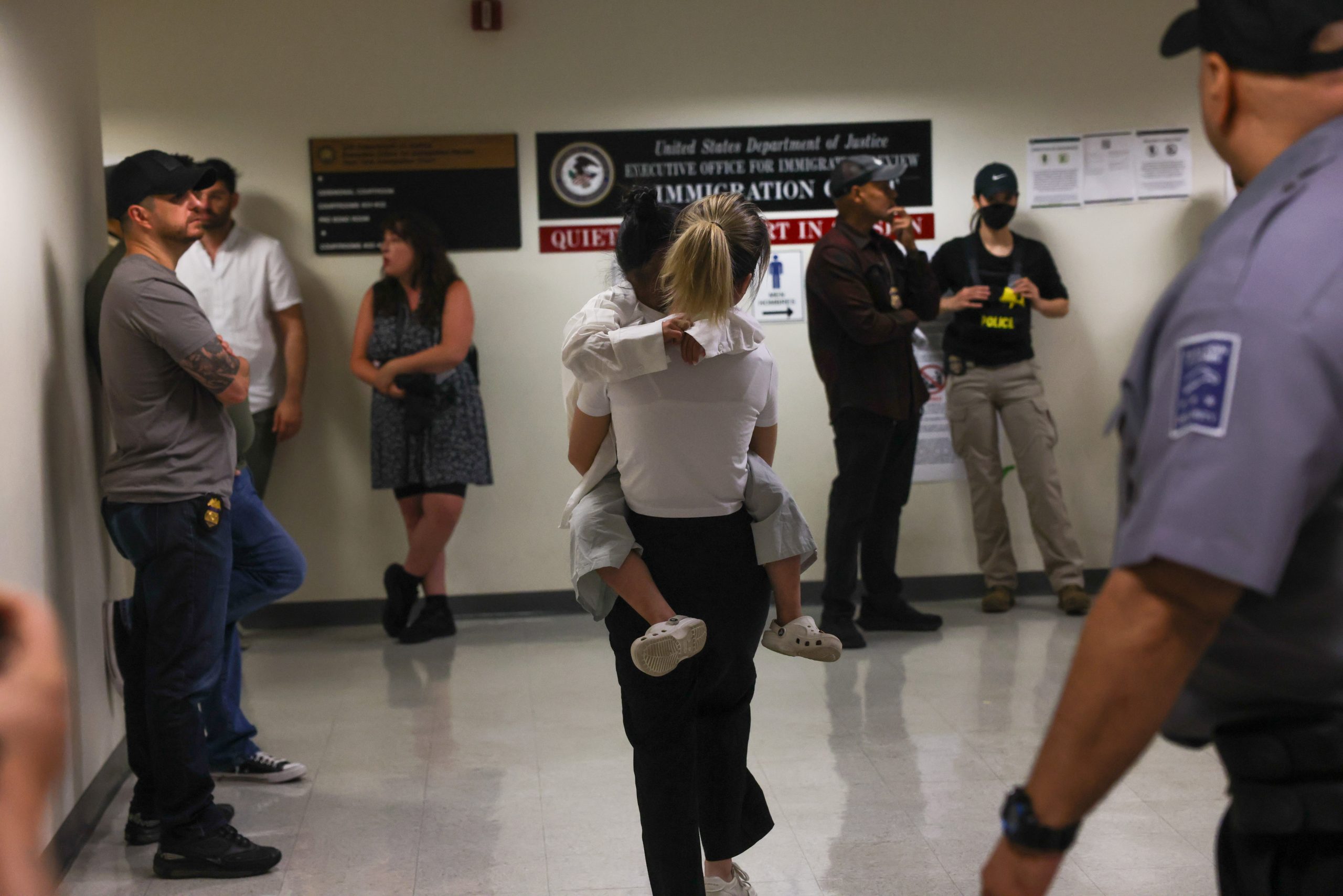 >
>
ICE policy generally discourages the detention of pregnant women, save for very specific exceptions like national security concerns. Still, the article suggests that even with these safeguards, lapses in care and oversight can, and allegedly do, occur.
It’s worth noting that the Department of Homeland Security (DHS) claims pregnant women in custody receive elevated oversight and that the allegations are “unsubstantiated.” Yet, the Independent’s reporting, along with accounts from civil rights groups, paints a contradictory picture.
Data collection presents a challenge. The exact number of pregnant women in ICE detention remains unclear, due to inconsistent reporting and limited transparency. Congress let a requirement lapse in 2025 for DHS to provide reports about pregnant, postpartum, or nursing women in ICE custody. This lack of mandated reporting makes it harder to track trends and ensure accountability.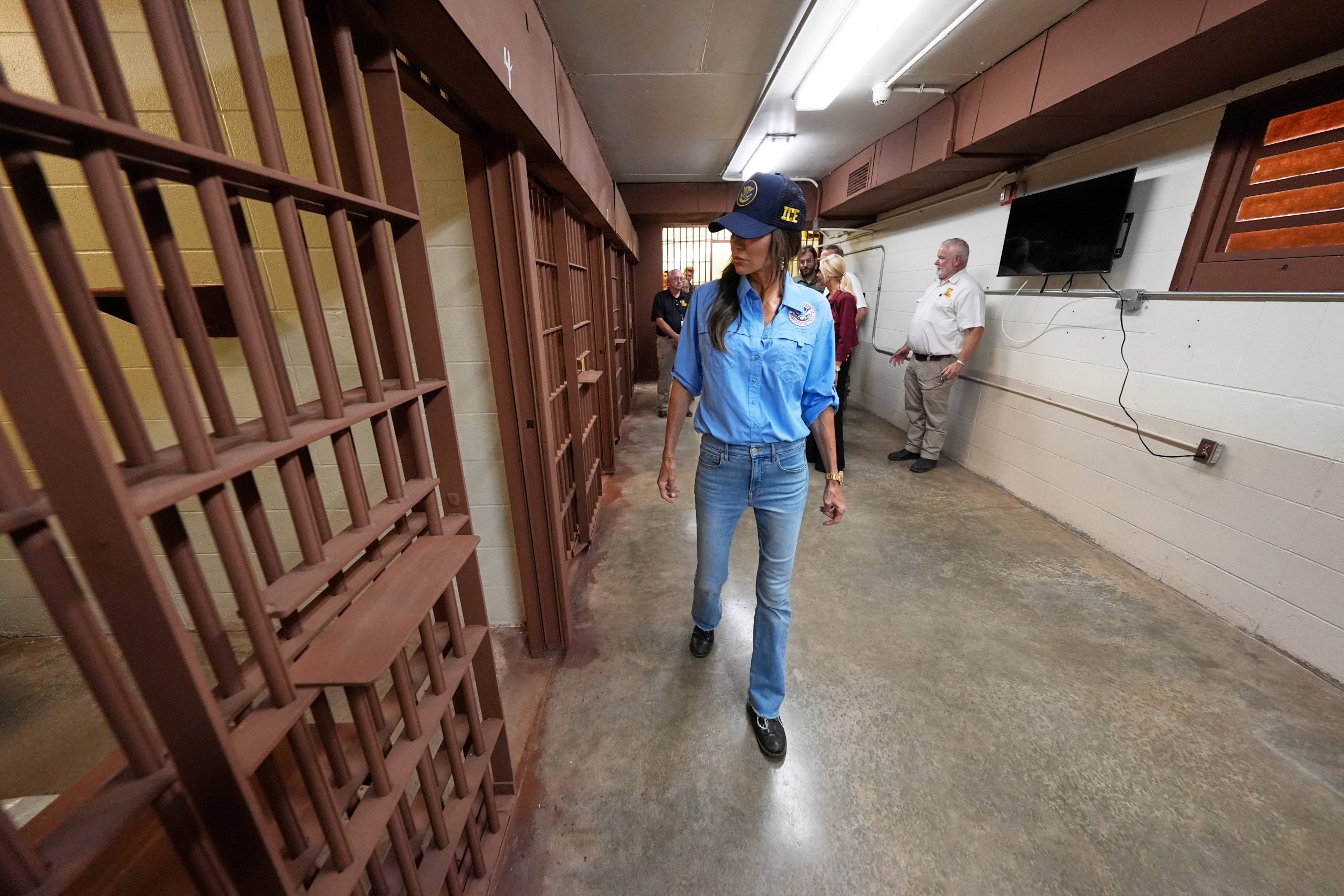 >
>
The Women’s Refugee Commission has stepped in to fill this gap with their Detention Pregnancy Tracker. They attempt to piece together information from various sources to monitor the treatment of pregnant women in ICE custody, revealing the challenges in obtaining reliable data from official channels.
The issue boils down to more than just statistics; it’s about human dignity. Accounts of women “dreaming of eating meat” due to insufficient protein intake or receiving moldy food are deeply troubling. These allegations, if true, point to a systemic failure in providing basic necessities and humane treatment.
It’s tempting to dismiss these accounts as isolated incidents. However, the sheer volume of reports, coupled with legal filings citing similar issues across multiple ICE facilities, suggests a pattern. Reports have emerged from facilities like Broadview, Illinois, echoing the concerns raised about the Basile and Lumpkin centers. This points to a broader challenge in ensuring consistent standards of care across the ICE detention system.
Family separation is another critical consideration. The distress caused by separating pregnant women from their children can have severe consequences for both mother and child. Concerns arise over the long-term well-being of children whose parents are caught in the immigration system. A weakened 2025 ICE directive has made it more difficult for detained parents to make arrangements for their children prior to deportation.
Senator Patty Murray has been vocal about the need for “stronger oversight and humane treatment” of pregnant women in ICE detention. Her efforts, along with those of other advocates, highlight the ongoing struggle to balance immigration enforcement with basic human rights.
Looking back, I’ve seen similar patterns emerge in other sectors. The tension between institutional objectives and individual well-being is a recurring theme. Whether it’s in healthcare, corrections, or immigration, the challenge lies in creating systems that prioritize both efficiency and empathy.
This situation demands closer scrutiny. We must address the lack of transparency, improve data collection, and ensure that detained pregnant women receive adequate care and respect. Failure to do so not only undermines our values but also risks causing irreparable harm to vulnerable individuals and families. The reported experiences raise genuine questions about whether existing policies and oversight mechanisms are sufficient to protect the health and well-being of pregnant women in ICE custody. It’s time for a serious reevaluation.



![[post_title]](https://samony.com.ng/wp-content/uploads/2025/12/1765034897_Why-Gonorrhoea-is-becoming-harder-to-treat-300x300.jpg?lm=69344B94 "Outpacing Super Gonorrhea: A Call for Vigilance Forged in Experience")
![[post_title]](https://samony.com.ng/wp-content/uploads/2025/12/1765034917_Catastrophic-Indonesia-flooding-death-toll-rises-to-900-300x200.jpg?lm=69344BA9 "Indonesian Floods: Bridging the Disaster Divide Between Jakarta and Sumatra.")
![[post_title]](https://samony.com.ng/wp-content/uploads/2025/12/1765034981_Im-a-Celebrity-star-Aitchs-real-name-and-clever-meaning-300x158.jpg?lm=69344BE8 "From Aitch to AI: Navigating Authenticity in the Evolving Entertainment Landscape")

![[post_title]](https://samony.com.ng/wp-content/uploads/2025/12/Tottenham-v-Brentford-Manchester-City-v-Sunderland-and-more-football-1024x538.jpg?lm=693452B0 "Premier League Trends: City’s Ascent, Tottenham’s Hope, and Player Welfare")
![[post_title]](https://samony.com.ng/wp-content/uploads/2025/12/1765036793_Back-to-my-ancestors-way-Apostles-daughter-becomes-water-priestess-1024x535.jpg?lm=693452FC "Water Priestess: Faith, Industry, and Shifting Spiritual Landscapes")
