

![[post_title]](https://samony.com.ng/wp-content/uploads/2025/11/1764414105_Hurricane-Melissa-Fuel-queues-for-days-diseases-spreading-and-thousands-1024x683.jpg?lm=692AD29D)
Hurricane Melissa Aftermath: A Critical Look at Caribbean Recovery Efforts
Millions are still grappling with the widespread devastation wrought by Hurricane Melissa. It has been a month since the Category 5 storm ripped through the Caribbean. Early reports paint a grim picture, but drilling down into the details reveals a more nuanced, and frankly, more troubling situation.
The headlines talk of billions in damages and hundreds dead. We hear about the “storm of the century.” The UN estimates that six million people felt its impact. Cuba alone saw over 700,000 evacuations. These numbers are staggering. Yet, the raw figures barely scratch the surface of the suffering still unfolding.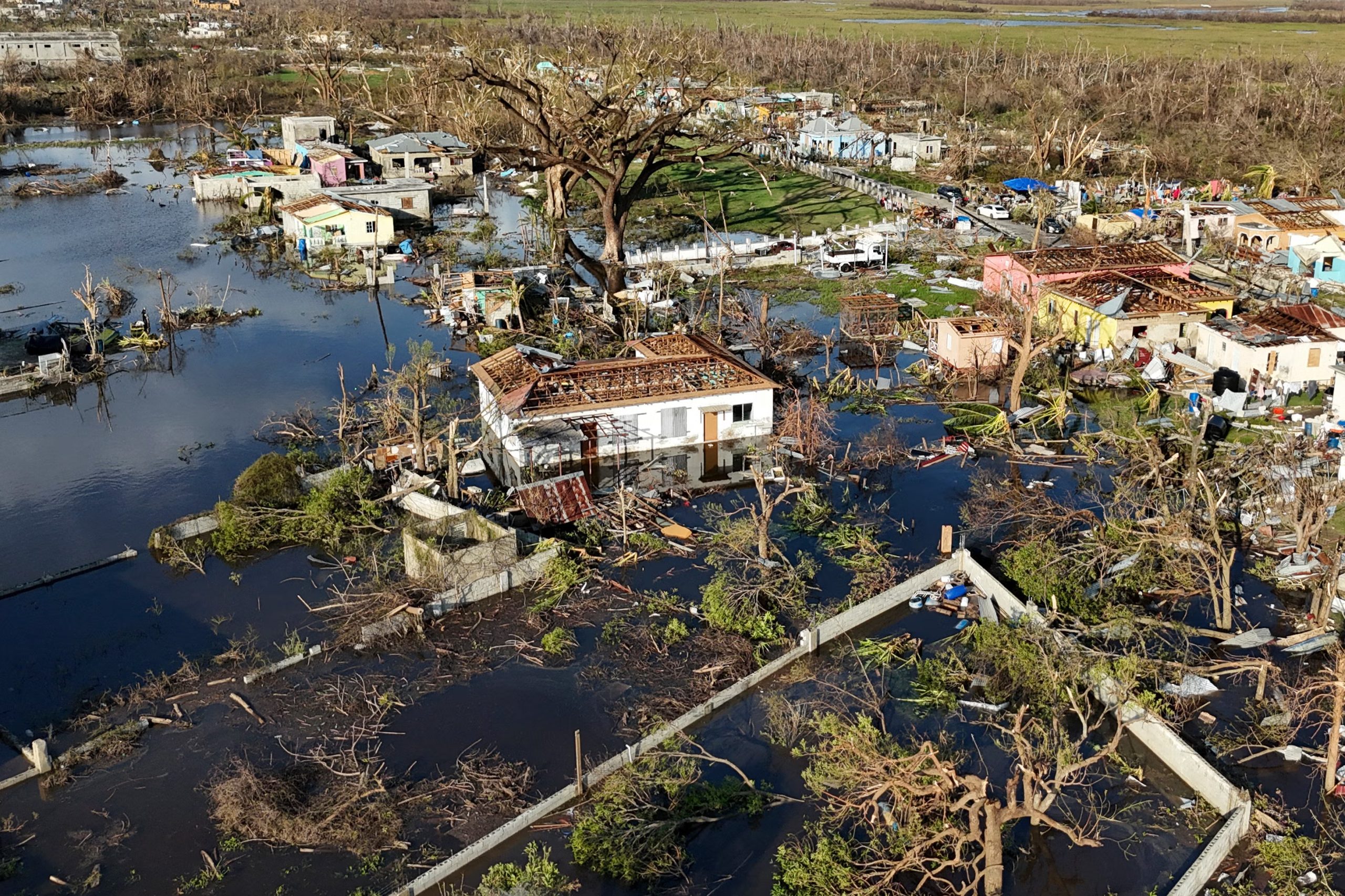 >
>
Agencies on the ground relay stories that should concern us all.
Cuba, for example, faces critical shortages. The International Federation of the Red Cross reports fuel queues lasting days. Food is scarce. Power flickers on for mere hours, crippling basic necessities like refrigeration. This isn’t just inconvenient; it’s a threat to public health. Beyond that, the psychological impact can be devastating.
Water contamination is rampant, leading to a surge in viral diseases. The Red Cross cites 700 new cases of chikungunya daily and thousands hospitalized. These outbreaks illustrate how a natural disaster can trigger a cascade of secondary crises, overwhelming already strained healthcare systems.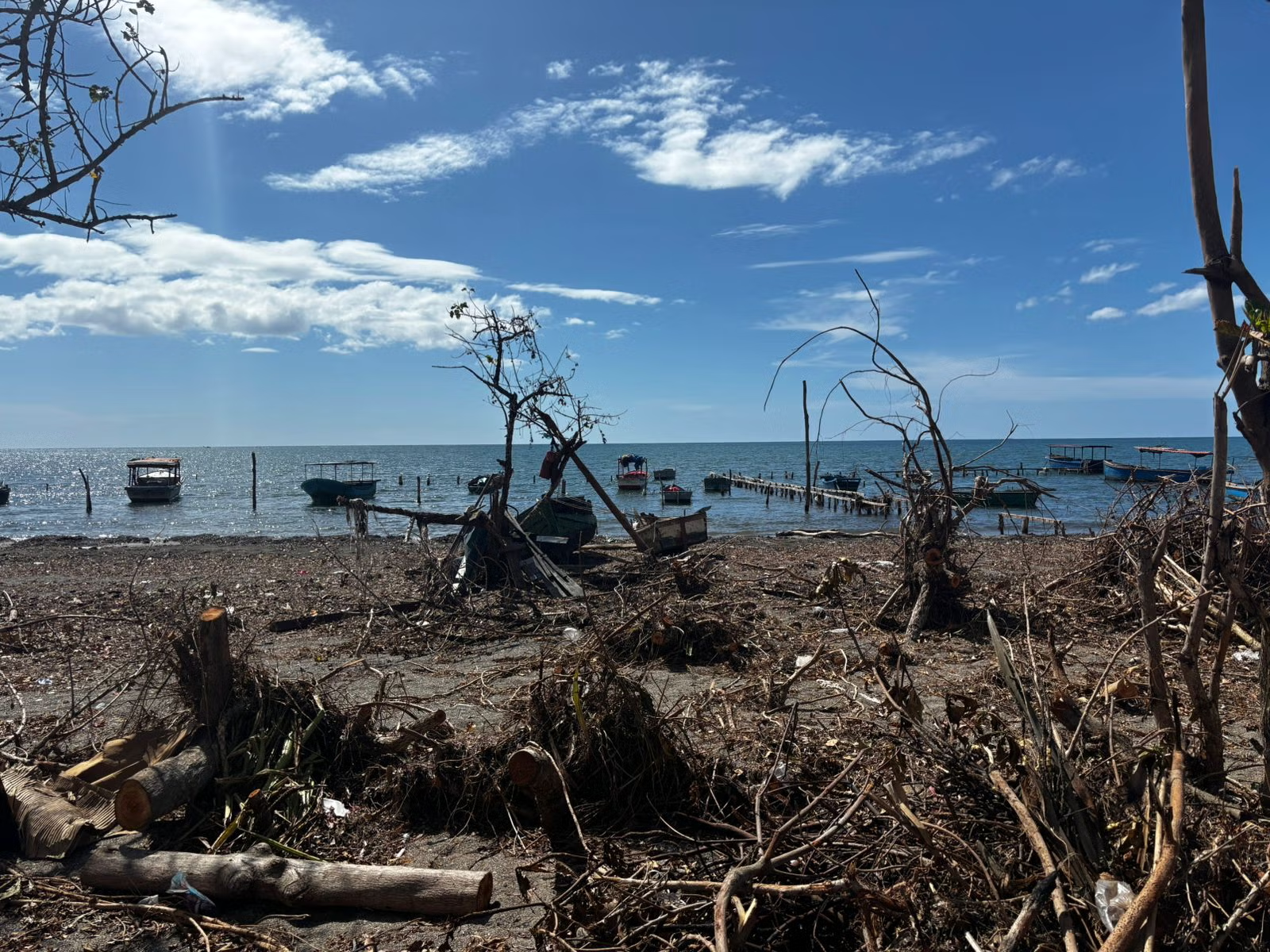 >
>
The Red Cross teams bravely operated throughout the hurricane’s rampage. They describe leveled homes and trees snapped clean. One worker said, “It’s like everything was cut with blades.” Over 53,000 people can’t return home, and even shelters offer only temporary refuge.
The numbers requiring aid exceed two million, but funding falls drastically short. Sanctions further complicate aid delivery, demonstrating how geopolitical factors exacerbate humanitarian crises.
What’s equally alarming is the mental toll, especially on children. A Red Cross worker shared the story of a 13-year-old boy burdened by inexplicable guilt. These unseen wounds can linger long after the debris clears. Mental health support is critical.
Neighboring Jamaica isn’t faring much better. Experts predict reconstruction could take a decade. Early estimates peg the damage at over $10 billion. Thousands are homeless.
I’ve seen similar patterns after other disasters. The initial shock gives way to long-term struggles. Some people reduced to begging on the streets underscores the desperation. Disease outbreaks are rampant, including leptospirosis and tetanus. These outbreaks expose vulnerabilities in public health infrastructure.
Haiti, struggling even before Melissa, suffered further setbacks from flooding. At least 43 people were killed. This is another stark reminder that the poorest nations are disproportionately vulnerable to climate change-related disasters.
Despite the hardship, there is a spirit of resilience. Local communities display the strength to rebuild. But good intentions are not enough. International assistance is essential to restore basic dignity.
The coordinator for Cuba, Haiti, and the Dominican Republic said it succinctly. Changing someone’s life is about giving them dignity. People want to lead and support each other. But they also need support in turn, especially now.
Looking at the broader picture, several things stand out. First, disaster preparedness remains inadequate. Early warning systems and resilient infrastructure are crucial investments. Second, the response must address not just immediate needs but also long-term recovery. This includes housing, healthcare, and mental health services. Third, geopolitical barriers to aid must be removed. Sanctions should not impede humanitarian assistance.
This challenge extends beyond just providing aid. It requires systemic changes. We need to address climate change, reduce inequality, and strengthen governance in vulnerable nations. Failing to do so will only perpetuate this cycle of destruction and suffering. Hurricane Melissa is a wake-up call. We must heed its warning and act with urgency.
One month later, the story isn’t over. It’s just beginning. And it’s a story we can’t afford to ignore.


![[post_title]](https://samony.com.ng/wp-content/uploads/2025/11/Un-enieme-important-forfait-a-Toulouse-avant-de-defier-lOM-300x200.jpg?lm=692ACA90 "Toulouse’s Injury Crisis: Can They Shock Marseille Despite Gboho’s Absence?")
![[post_title]](https://samony.com.ng/wp-content/uploads/2025/11/1764412145_Ukraine-Russia-war-latest-Kyiv-hit-by-drone-and-missile-strike-300x200.jpg?lm=692ACAF4 "Ukraine War: Peace Talks Amid Escalating Attacks")
![[post_title]](https://samony.com.ng/wp-content/uploads/2025/11/There-is-also-Fulani-cattle-genocide-in-Plateau-Group-300x180.jpg?lm=692ACB1B "Is a “Fulani Genocide” Happening in Nigeria? A Group Claims Thousands Have Been Killed")
![[post_title]](https://samony.com.ng/wp-content/uploads/2025/11/1764412266_Jess-Glynne-forced-to-miss-Alex-Scott-Im-A-Celeb-300x158.jpg?lm=692ACB6D "Jess Glynne Missed Alex Scott’s Exit? Here’s the Real Story Behind the Headlines")
![[post_title]](https://samony.com.ng/wp-content/uploads/2025/11/1764411348_Bedrooms-are-warmer-in-winter-when-you-follow-6-tips-300x158.jpg?lm=692AC7D9 "Winter Warmth: Home Heating Trends & Expert Advice")

![[post_title]](https://samony.com.ng/wp-content/uploads/2025/11/Juventus-vs-Cagliari-prediction-team-news-lineups.net2Fuploads2F20252F112Fimago1068606686.webp?lm=692AD234 "Juve vs. Cagliari: Why This “Easy Win” Might Be a Trap")

![[post_title]](https://samony.com.ng/wp-content/uploads/2025/11/Un-enieme-important-forfait-a-Toulouse-avant-de-defier-lOM-1024x683.jpg?lm=692ACA91 "Toulouse’s Injury Crisis: Can They Shock Marseille Despite Gboho’s Absence?")
