

![[post_title]](https://samony.com.ng/wp-content/uploads/2025/11/1764412145_Ukraine-Russia-war-latest-Kyiv-hit-by-drone-and-missile-strike-1024x683.jpg?lm=692ACAF3)
Analyzing the Ukraine-Russia War: Shifting Tides and Emerging “Peace” Deals
The situation in Ukraine remains incredibly fluid. Recent headlines paint a grim picture: renewed Russian strikes on Kyiv, casualties mounting, and a flurry of diplomatic activity surrounding potential peace talks. We’ve seen this pattern before – escalations timed strategically alongside political maneuvering. What’s genuinely shifting, and what’s just noise?
Reports indicate a “massive” Russian strike targeting Ukrainian military and energy infrastructure. Such actions, Moscow claims, are retaliation for Ukrainian “terrorist attacks.” It’s the familiar tit-for-tat rhetoric that has defined the conflict, yet the scale and timing merit attention. Are these strikes intended to weaken Ukraine ahead of negotiations, or are they simply a continuation of a war of attrition? Possibly, both.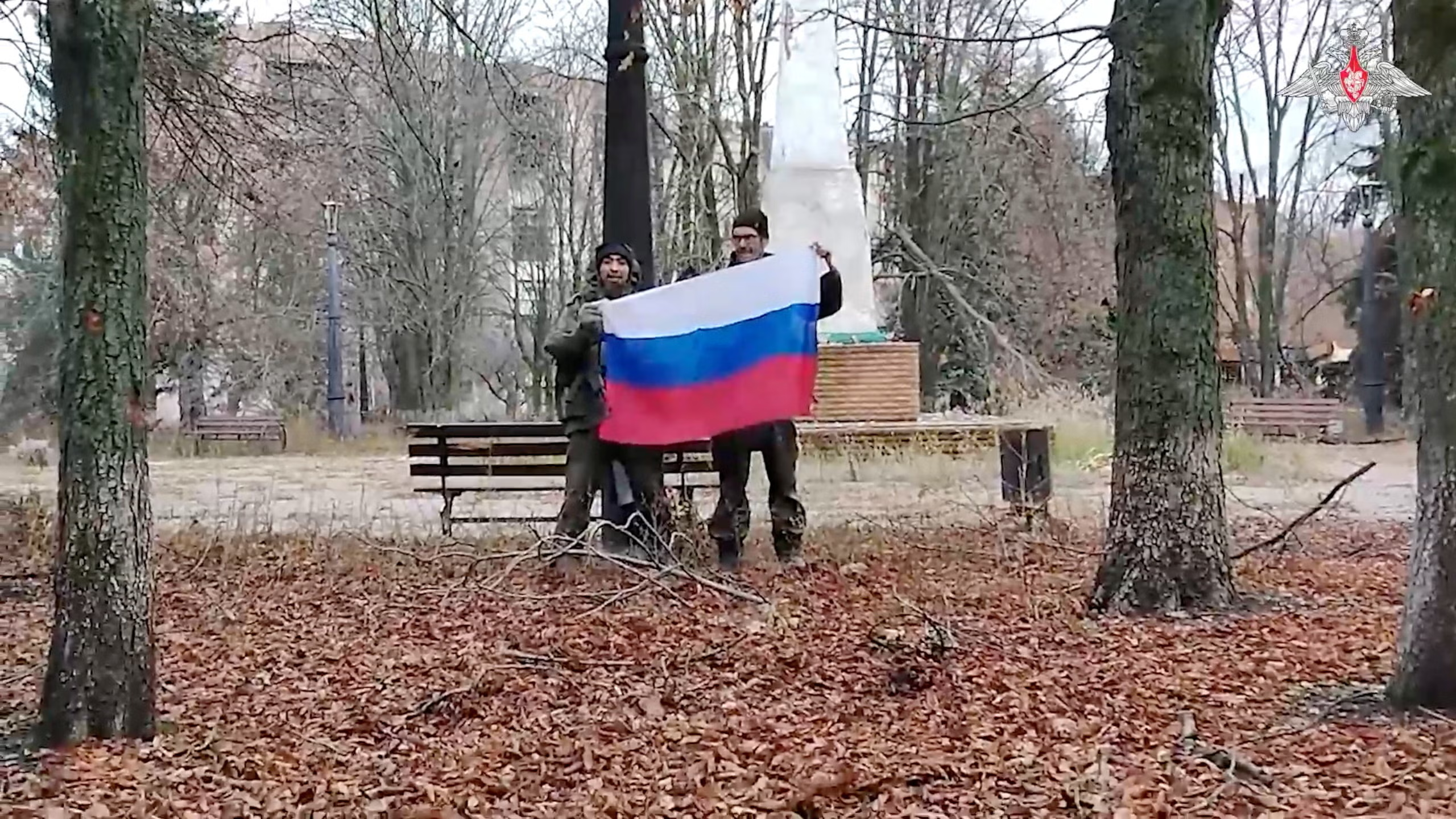 >
>
Kyiv itself is under renewed assault. Drone and missile attacks have reportedly killed civilians and damaged infrastructure. The timing – just before another round of peace negotiations – raises questions. Is this a deliberate attempt to undermine these talks, or a signal of Russia’s resolve? Some would argue that it could be a clear message to highlight how important this peace talk needs to be.
Filmmaker Mstyslav Chernov, who won an Academy Award for “20 Days in Mariupol,” provides a chilling glimpse into frontline morale. His latest documentary places him directly with Ukrainian forces. His perspective offers a stark contrast to the sterile pronouncements of politicians. It underscores the human cost of the conflict, a cost often obscured by geopolitical abstractions.
Donald Trump’s potential role in brokering a peace deal has re-emerged. Fiona Hill, a former White House advisor, suggests Putin knows how to “get Trump on side.” That statement gives me pause. Any peace deal heavily influenced by either Trump or Putin should be regarded with significant skepticism. Their motivations are likely to be self-serving, with Ukrainian interests potentially taking a backseat.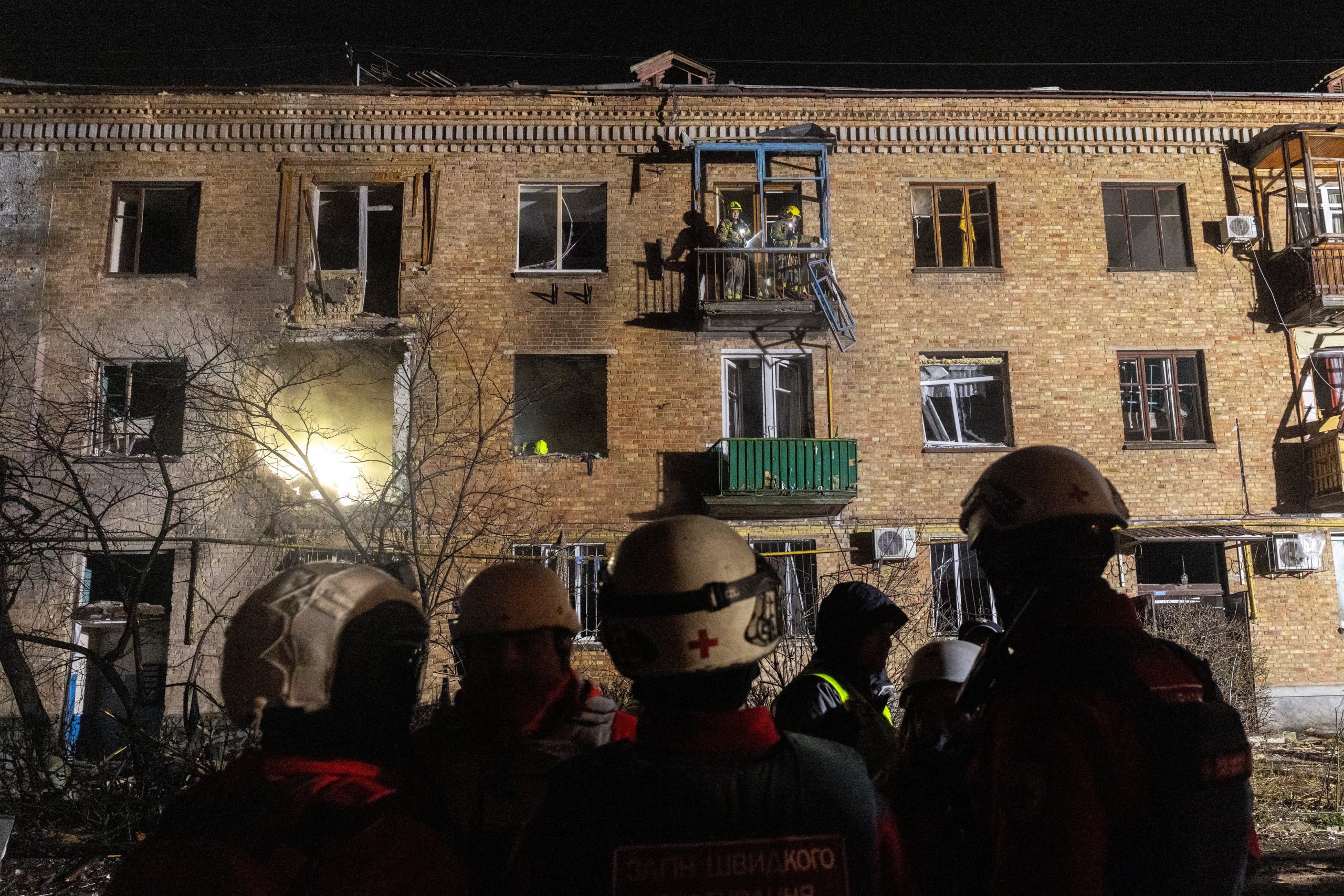 >
>
Speaking of Trump, reports are circulating that a Ukrainian delegation is heading to the US for talks with Trump’s envoy Steve Witkoff and Jared Kushner regarding a Trump-backed peace plan. The rumored details of this plan – potentially ceding occupied Ukrainian land to Russia – are deeply concerning. It raises the specter of a deal that sacrifices Ukrainian sovereignty for the sake of a quick resolution. Such a scenario could set a dangerous precedent for international relations.
Russia insists that its troops control Kupiansk, a city in northeastern Ukraine. Ukrainian commanders vehemently dispute this, claiming their forces are still defending positions and conducting operations. This discrepancy underscores the difficulty in obtaining accurate information from the conflict zone. It highlights the ongoing information war, where both sides manipulate narratives to their advantage. This makes analyzing credible data even more important.
Andrii Yermak, a key figure in Zelensky’s administration, has reportedly resigned following a police raid in a corruption probe. This development adds another layer of complexity to the situation. Corruption has long plagued Ukraine, and this incident could undermine public trust in the government, potentially weakening its negotiating position. The Ukranian government has to prove they are committed to ensuring trust and proper procedure.
The sheer scale of the overnight attacks on Ukraine is horrifying. Missiles and drones rained down on homes, energy grids, and critical infrastructure, leaving death and destruction in their wake. While discussions of peace plans continue, the reality on the ground remains brutal. The world needs to grapple with the contradiction.
So, where does this leave us? The situation is incredibly complex, with conflicting reports, shifting alliances, and hidden agendas. While diplomatic efforts are welcome, any peace deal must prioritize Ukrainian sovereignty and security. We must remain skeptical of any “quick fixes” that sacrifice Ukrainian interests for political expediency. Otherwise, we risk creating a fragile peace that sows the seeds of future conflict. For now, the war grinds on. The world watches and waits.

![[post_title]](https://samony.com.ng/wp-content/uploads/2025/11/1764412145_Ukraine-Russia-war-latest-Kyiv-hit-by-drone-and-missile-strike-300x200.jpg?lm=692ACAF2 "Ukraine War: Peace Talks Amid Escalating Attacks")
![[post_title]](https://samony.com.ng/wp-content/uploads/2025/11/There-is-also-Fulani-cattle-genocide-in-Plateau-Group-300x180.jpg?lm=692ACB1B "Is a “Fulani Genocide” Happening in Nigeria? A Group Claims Thousands Have Been Killed")
![[post_title]](https://samony.com.ng/wp-content/uploads/2025/11/1764412266_Jess-Glynne-forced-to-miss-Alex-Scott-Im-A-Celeb-300x158.jpg?lm=692ACB6D "Jess Glynne Missed Alex Scott’s Exit? Here’s the Real Story Behind the Headlines")
![[post_title]](https://samony.com.ng/wp-content/uploads/2025/11/1764411348_Bedrooms-are-warmer-in-winter-when-you-follow-6-tips-300x158.jpg?lm=692AC7D9 "Winter Warmth: Home Heating Trends & Expert Advice")
![[post_title]](https://samony.com.ng/wp-content/uploads/2025/11/1764410979_Lady-cries-out-as-bandits-kidnap-her-cousin-in-Kogi-300x150.jpeg?lm=692AC666 "Nigeria’s Kidnapping Crisis: How Much Worse Can It Get?")
![[post_title]](https://samony.com.ng/wp-content/uploads/2025/11/1764410101_Ben-Whittaker-vs-Benjamin-Gavazi-Start-time-undercard-and-how-300x199.jpeg?lm=692AC2F8 "Is This Whittaker’s Real Breakout? A Friend’s Take on Tonight’s Fight")


![[post_title]](https://samony.com.ng/wp-content/uploads/2025/11/Un-enieme-important-forfait-a-Toulouse-avant-de-defier-lOM-1024x683.jpg?lm=692ACA8F "Toulouse’s Injury Crisis: Can They Shock Marseille Despite Gboho’s Absence?")
![[post_title]](https://samony.com.ng/wp-content/uploads/2025/11/There-is-also-Fulani-cattle-genocide-in-Plateau-Group-1024x614.jpg?lm=692ACB1B "Is a “Fulani Genocide” Happening in Nigeria? A Group Claims Thousands Have Been Killed")
