

![[post_title]](https://samony.com.ng/wp-content/uploads/2025/11/1764410249_Australian-PM-Anthony-Albanese-marries-longtime-partner-Jodie-Haydon-in-1024x683.jpg?lm=692AC38F)
Analyzing Political Marriages: More Than Just a Photo Op?
Australian Prime Minister Anthony Albanese recently married his longtime partner Jodie Haydon, marking a first for the nation – a sitting PM tying the knot. The event itself was a carefully orchestrated affair: intimate ceremony, local designer dress, even the PM’s dog played a role. Sweet.
But looking beyond the surface, what does this event really signify? Political marriages, or high-profile unions, rarely exist in a vacuum. They often serve purposes beyond personal happiness. Think back – haven’t we seen this playbook before?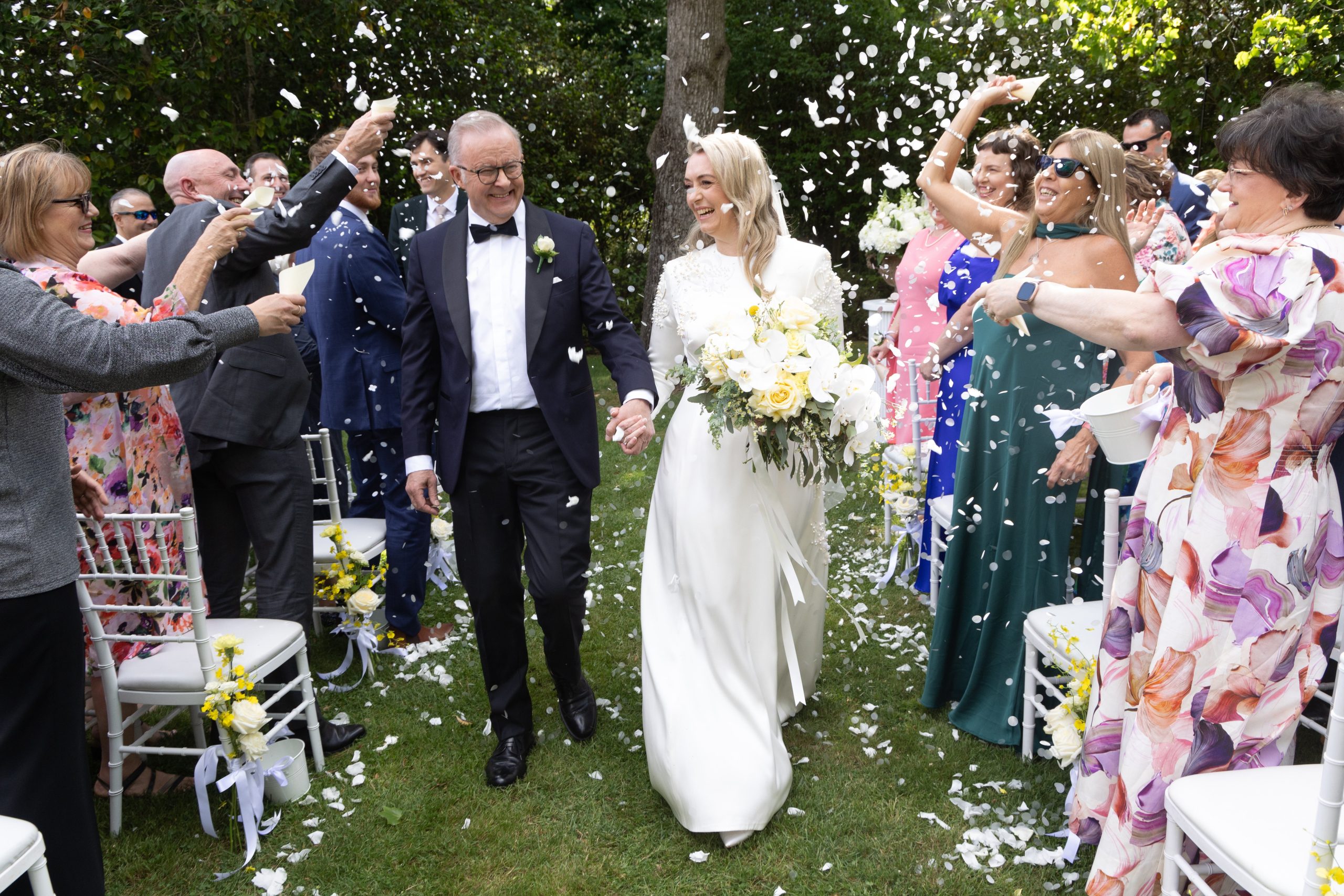 >
>
One aspect that jumps out is the calculated presentation. The choice of a local designer, the involvement of family, the seemingly ordinary details like the brewery in Sydney’s Inner West providing beer – all paint a picture of Albanese as relatable, down-to-earth. It’s a branding exercise, projecting an image of approachability, especially after the Labor party’s strong victory earlier in the year. This could be seen as a way to solidify public approval and foster trust.
Now, I’m not suggesting the marriage isn’t genuine. Yet, political figures are constantly aware of their image. They realize the optics. A loving relationship portrayed publicly can soften edges, defuse criticism, and make a leader appear more “human.” People connect with people, not just policies.
It’s worth pondering the timing, too. The marriage comes after Albanese proposed on Valentine’s Day the previous year, a move that garnered positive press at the time. The honeymoon will be spent within Australia, a further nod to promoting local tourism and businesses. Was the timeline entirely coincidental, or was it influenced by strategic considerations?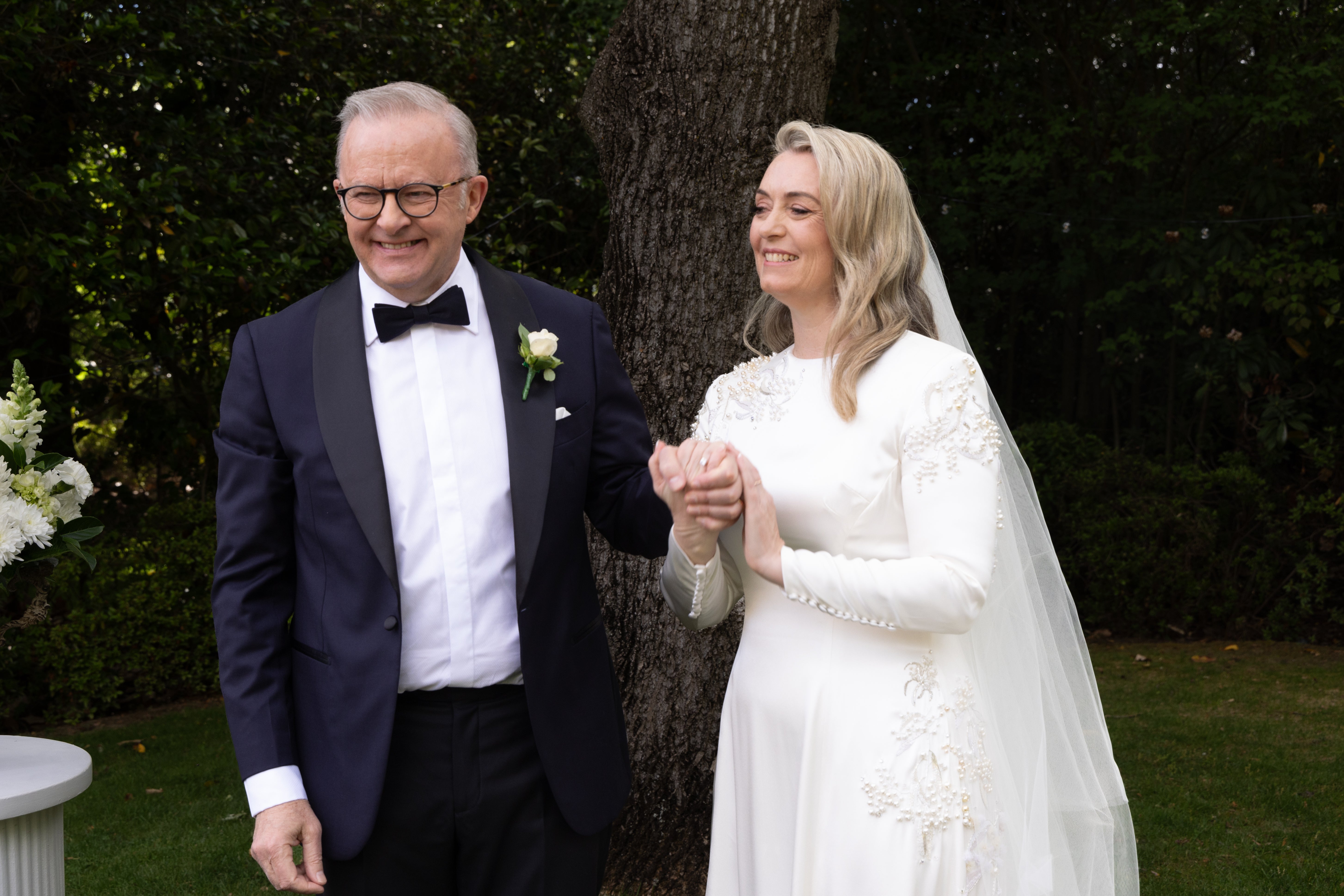 >
>
Of course, cynics will argue every public act by a politician is calculated. But I reckon it’s more nuanced than that. Genuine emotion can coexist alongside strategic awareness. Albanese likely loves Haydon, and I believe they wanted to get married. Simultaneously, his team probably recognized the potential benefits of this union playing out on the public stage.
Consider the media coverage. The “Independent” article highlights the wedding details but also subtly reinforces Albanese’s image: his connection to Haydon, the successful election campaign, the details about his suit. It’s a narrative carefully crafted and disseminated.
This isn’t just an Australian phenomenon, mind you. We see similar patterns globally. Political marriages are often viewed as stabilizing influences, projecting an image of strength and personal responsibility. They can also broaden a politician’s appeal, particularly to demographics who value traditional family structures.
Still, there’s a potential risk. Overly staged or inauthentic displays can backfire. The public is increasingly savvy. They can sniff out insincerity. The key is finding a balance between projecting a positive image and maintaining genuine authenticity.
Given these facts, the success of Albanese’s marriage – in a political sense – will depend on how well he and Haydon navigate the complexities of their public life. Can they maintain a sense of normalcy while understanding their every move will be scrutinized? It’s a tightrope walk, to be sure.
It’s important to recall history, where public opinion swayed on less. A simple photo could launch and destroy political dreams.
To that end, how the Albanese-Haydon marriage influences the political spectrum remains to be seen. This challenge is how effectively they can integrate their personal lives with the demands of leadership. For now, Albanese’s marriage represents more than just a personal milestone. It is a carefully presented narrative that could influence public perception and shape his political legacy. Only time will tell if it’s a political masterstroke or merely a touching love story unfolding under the bright lights of public scrutiny. I, for one, will be watching.

![[post_title]](https://samony.com.ng/wp-content/uploads/2025/12/Tinubus-Tax-Reforms-Committee-Selects-Top-20-Nigerian-Content-Creators.png?lm=69341329 "Nigeria’s Taxman Wants to Train Creators: Smart Move, or Red Flag?")
![[post_title]](https://samony.com.ng/wp-content/uploads/2025/12/1765020496_Ant-and-Dec-almost-killed-me-twice-in-the-jungle-300x158.jpg?lm=69341352 "“I’m a Celeb” Claims: Reality TV’s Safety Gamble")
![[post_title]](https://samony.com.ng/wp-content/uploads/2025/12/NAssembly-on-spotlight-as-lawmakers-vote-on-state-police-others-300x161.jpg?lm=693414A5 "Nigeria’s National Assembly Set to Vote on Sweeping Constitutional Reforms")
![[post_title]](https://samony.com.ng/wp-content/uploads/2025/12/1765020299_Investing-100-per-person-in-PHC-can-prevent-90-of-300x169.jpg?lm=6934128E "$100 Per Child: The Primary Healthcare Investment That Must Be More Than Just a Number")


![[post_title]](https://samony.com.ng/wp-content/uploads/2025/12/1765020496_Ant-and-Dec-almost-killed-me-twice-in-the-jungle-1024x538.jpg?lm=69341353 "“I’m a Celeb” Claims: Reality TV’s Safety Gamble")
