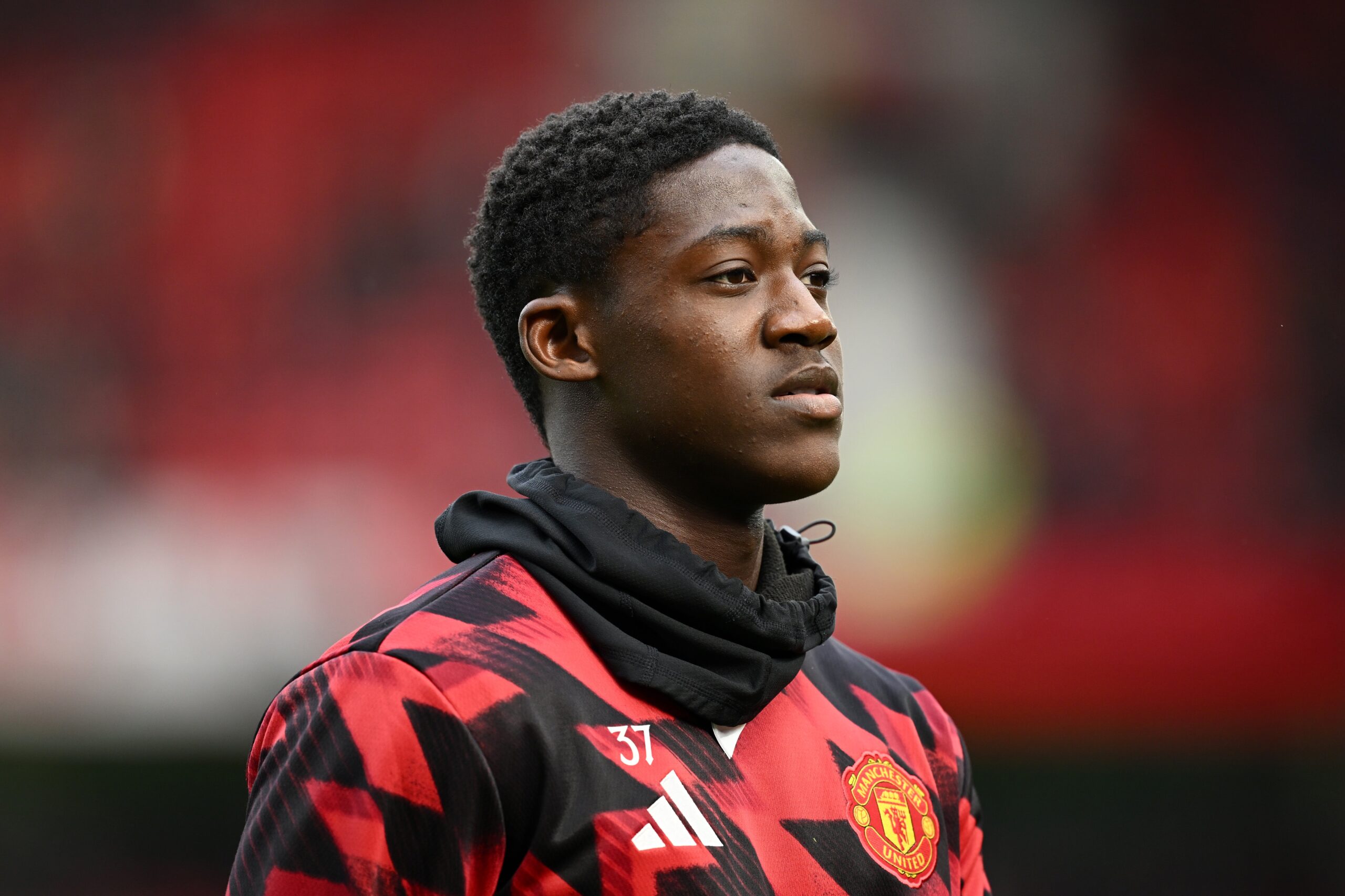
Cole Palmer’s Return: More Than Just a Boost for Chelsea? Analyzing the Broader Implications
Cole Palmer is back. Chelsea fans are understandably buzzing about his return for the clash against Arsenal. Manager Enzo Maresca seems cautiously optimistic, and the media is already hyping up the potential Palmer-Estevao partnership. But let’s unpack this a little. It’s not simply about one player’s fitness; it exposes several industry-relevant themes.
First, the immediate impact: Palmer’s return does strengthen Chelsea’s attack. Last season’s top scorer provides a much-needed creative spark. His absence was definitely felt, and it’s reasonable to assume his presence alters the team’s dynamic. However, fixating solely on Palmer misses the bigger picture. Is Chelsea too reliant on individual brilliance? Is the system strong enough without a superstar performance? These are crucial questions for a club with title aspirations. A team can’t be solely reliant on one player. >
>
Maresca highlights the importance of balance. He is right. It’s not just about throwing talented players onto the pitch and hoping for magic. Tactical cohesion and a well-defined game plan matter just as much, if not more. This speaks to a recurring challenge in football management: how do you integrate individual talent into a collective framework? It’s a puzzle every top club wrestles with. Sometimes, you might need to sacrifice individual brilliance for better overall performance.
Looking ahead, the excitement surrounding Estevao alongside Palmer raises another point: the youth movement in football. Clubs are increasingly investing in young talent, hoping to unearth the next superstar. Chelsea’s acquisition of Estevao and their eagerness to pair him with Palmer is a prime example. This trend isn’t new, but its intensity is definitely accelerating. Are these young players truly ready for the pressure of top-flight football? Can Chelsea provide the right environment for their development? Only time will tell.
The business side of football is also worth considering. Palmer’s return, Estevao’s emergence – it all generates buzz, which translates into ticket sales, merchandise revenue, and increased viewership. In today’s football landscape, a player’s marketability is almost as important as their on-field ability. This isn’t necessarily a bad thing; it’s simply a reflection of the commercial realities of the sport. Still, it raises questions about authenticity and the true values of the game. Where do we draw the line between entertainment and exploitation?>
Maresca’s comments about Chelsea’s progress this season offer a balanced assessment. He acknowledges the improvements but remains grounded in reality. He avoids making grand pronouncements about title challenges, focusing instead on the need for sustained progress. It’s a wise approach, especially given Chelsea’s recent history of inconsistent performance. Too often, managers get caught up in the hype, making promises they can’t keep. Maresca’s measured tone is refreshing.
It’s interesting to examine how clubs use injuries. Palmer’s injury timeline is vague. “Recovering from a groin injury before suffering a fractured toe” sounds a bit muddled. In today’s high-stakes football environment, clubs often play their cards close to the vest when it comes to injuries. There’s a delicate balance between transparency and protecting a competitive advantage. This is a constant source of speculation and frustration for fans and media alike.
Chelsea’s situation, like many other big clubs, illuminates the constant pressure to win. The investment in players like Palmer and Estevao, the managerial changes, the relentless pursuit of trophies – it all stems from the expectation of success. This pressure can be both a motivator and a burden. It can drive clubs to achieve great things, but it can also lead to short-sighted decisions and unsustainable strategies.
Given these facts, the match against Arsenal is more than just a game; it’s a test of Chelsea’s progress, a showcase of their young talent, and a reflection of the broader trends shaping the football industry. Will Palmer’s return be the catalyst for a sustained run of success? Will Estevao live up to the hype? These are the questions that will be answered in the weeks and months ahead. For now, all we can do is watch and analyze. Football can change very quickly.
It’s worth noting that player fitness, while crucial, isn’t the only factor determining success. Team chemistry, tactical flexibility, and even a bit of luck all play a role. Ultimately, the team that can best navigate the complexities of the modern game will be the one that lifts the trophies. And in the end, Chelsea and Palmer need luck.


![[post_title]](https://samony.com.ng/wp-content/uploads/2025/12/Full-List-Of-Lawmakers-Who-Refused-To-Dump-PDP-For.jpg?lm=6933A187 "Rivers State: Defection Dynamics and Political Fortunes")
![[post_title]](https://samony.com.ng/wp-content/uploads/2025/12/The-Verges-2025-holiday-gift-guide-110-of-the-best-300x156.jpg?lm=69339E75 "2025 Tech Gifts: A Skeptical Shopper’s Guide")
![[post_title]](https://samony.com.ng/wp-content/uploads/2025/12/Wike-sacks-FCT-IRS-acting-chairman-Michael-Ango-300x291.jpeg?lm=69338BEC "Wike Sacked FCT Revenue Boss After Record Numbers: What’s Really Going On?")
![[post_title]](https://samony.com.ng/wp-content/uploads/2025/12/Netflix-To-Acquire-Warner-Bros-Discoverys-Film-And-Streaming-Units-300x171.jpg?lm=693385DB "Streaming’s $72 Billion Gamble: Netflix and Warner Bros. Discovery")
![[post_title]](https://samony.com.ng/wp-content/uploads/2025/12/16-LAWMAKERS-DEFECT-FROM-PDP-TO-APC-IN-RIVERS-STATE-300x208.jpg?lm=69338673 "Rivers State Politics Just Got Wild: What’s Going On?")

![[post_title]](https://samony.com.ng/wp-content/uploads/2025/12/High-Risk-for-Frostbite-Heart-Strain-and-Chronic-Conditions-1024x576.jpg?lm=6933A071 "Polar Vortex Here? What You MUST Know to Stay Safe")