


Veterinary Medicine in Crisis: Navigating Drug Shortages and Regulatory Hurdles in Canada
Canadian vets are facing a tough reality: a shrinking toolbox of medications. Reports suggest access to roughly 40% of previously available drugs has vanished, creating frustration and, more importantly, jeopardizing animal welfare. It raises a significant question: How did we get here, and what can be done?
The problem isn’t necessarily a lack of drug innovation. Many of these medications are readily available and safely used in other developed nations. The core issue appears to lie within Canada’s regulatory framework, specifically concerning Health Canada’s veterinary drug approval process. Changes implemented around 2017, particularly new inspection standards for foreign manufacturing facilities, seem to have inadvertently disincentivized manufacturers. The cost of these Canadian-specific inspections, weighed against the relatively small size of the Canadian market, doesn’t always add up for these companies. >
>
As a result, medications, from common treatments for pets to crucial drugs for livestock, are disappearing from the Canadian market. Imagine a dairy farmer struggling to treat a sick cow with older, less effective medications because the newest options aren’t available. The consequences ripple through the entire food system, potentially raising costs for consumers. It’s worth noting that the unavailability of a specific product to deal with lice in cattle, while readily available in the U.S, is just one stark example highlighting the problem.
Now, Health Canada argues these changes are meant to strengthen oversight and ensure the safety of animal health products. Fair enough. But it also acknowledges Canada’s market size contributes to access delays. The agency highlights some steps they are taking, such as prioritising reviews and conditional approvals. Yet, veterinarians on the front lines argue this isn’t enough.
The Canadian Veterinary Medical Association (CVMA) is advocating for a more pragmatic approach: collaborating with international regulatory bodies, especially in the U.S. and Europe. The argument is sound: if a drug meets stringent safety standards in two other reliable countries, why duplicate the entire approval process? Reducing red tape and bureaucratic hurdles could offer a quicker, more efficient path to ensuring Canadian vets have the tools they need.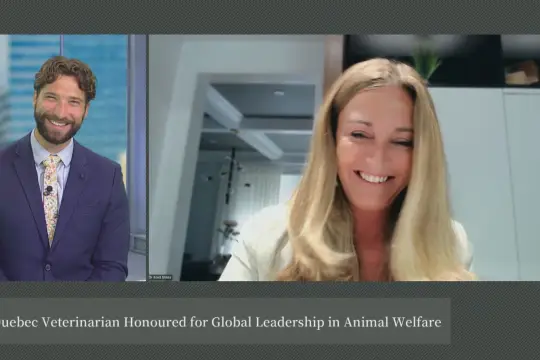 >
>
Federal Agriculture Minister Heath MacDonald has pledged to work with veterinarians on the issue. Let’s see if this is just lip service or tangible action.
This problem isn’t entirely new. I’ve seen similar patterns in other industries where overly burdensome regulations stifle innovation and limit access to essential products. It’s a delicate balancing act. We need robust safety standards, of course. Yet, we also need a system that doesn’t inadvertently punish smaller markets or create unnecessary barriers.
I’m cautiously optimistic about potential solutions, but some healthy skepticism is warranted. The CVMA’s proposal for international collaboration sounds promising, but the devil is always in the details. What specific changes will Health Canada implement? Will these changes truly streamline the approval process, or will they simply add another layer of bureaucracy?
It’s not just about regulations, either. Another piece of the puzzle lies in ensuring sufficient expertise within regulatory bodies. As Sawyer Daley aptly points out, there’s a need for more research employees with a strong veterinary background, particularly in livestock medicine, to inform policy and decision-making. A deeper understanding of the realities of veterinary practice is crucial for crafting effective and practical regulations.
Ultimately, resolving this crisis requires a multifaceted approach. Health Canada needs to genuinely listen to the concerns of veterinarians, embrace international collaboration where appropriate, and ensure its regulatory processes are both safe and efficient. If they don’t, Canadian animals and the people who care for them will continue to suffer. The clock is ticking, and the veterinary community deserves solutions, not just promises.


![[post_title]](https://samony.com.ng/wp-content/uploads/2025/11/Bishop-Egbuonu-Reveals-Content-Of-Kanus-Last-Letter-To-Ekpa-300x300.jpeg?lm=692A31E8 "Nnamdi Kanu’s Prison Revelation: Inside Nigeria’s “Unknown Gunmen” Mystery")
![[post_title]](https://samony.com.ng/wp-content/uploads/2025/11/1764372995_Marjorie-Taylor-Greene-appears-to-send-cryptic-message-to-Trump-300x200.jpg?lm=692A3205 "MTG’s Warning to Trump: Is the GOP Cracking Up Now?")
![[post_title]](https://samony.com.ng/wp-content/uploads/2025/11/1764373026_Naked-thug-on-two-day-cocaine-and-booze-bender-urinated-on.j-300x158.jpeg?lm=692A3224 "Rhys Hicks: Substance, Society, and Sanity")
![[post_title]](https://samony.com.ng/wp-content/uploads/2025/11/1764373144_Chase-Status-Andy-C-and-Hybrid-Minds-front-Europes-300x158.jpg?lm=692A3299 "Rhythm + Waves: Festival Future Under Scrutiny")
![[post_title]](https://samony.com.ng/wp-content/uploads/2025/11/1764373564_Ebanie-Bridges-wont-stop-showing-off-massive-boobs-as-boxer-300x158.jpg?lm=692A343D "Owning My Image: Why Women’s Boxing Needs Unapologetic Authenticity")



![[post_title]](https://samony.com.ng/wp-content/uploads/2025/11/Bishop-Egbuonu-Reveals-Content-Of-Kanus-Last-Letter-To-Ekpa.jpeg?lm=692A31E7 "Nnamdi Kanu’s Prison Revelation: Inside Nigeria’s “Unknown Gunmen” Mystery")
