![[post_title]](https://samony.com.ng/wp-content/uploads/2025/11/1764372769_Confident-Analysts-Often-Miss-the-Mark-1024x683.jpg?lm=692A3125)
Why You Should Question Those Confident Market Forecasts for 2026
As another year winds down, Wall Street cranks up the prediction machine. Analysts dust off their crystal balls, gazing into 2026 with pronouncements about where the S&P 500 is headed. They deliver these market forecasts with a level of conviction that’s hard to ignore. Should you rearrange your portfolio based on their expert insights? Maybe pump the brakes first.
Here’s the thing: history reveals a recurring pattern. These same experts consistently miss the mark, sometimes by considerable margins. Consider the last eight years. They underestimated market returns in six of them, often by double-digit percentages. Yet, like clockwork, the forecasts reappear each December, radiating that same unwavering assurance. It begs the question: why do these professionals, armed with data and experience, struggle to get it right? And, more crucially, what can investors learn from this forecasting fallibility?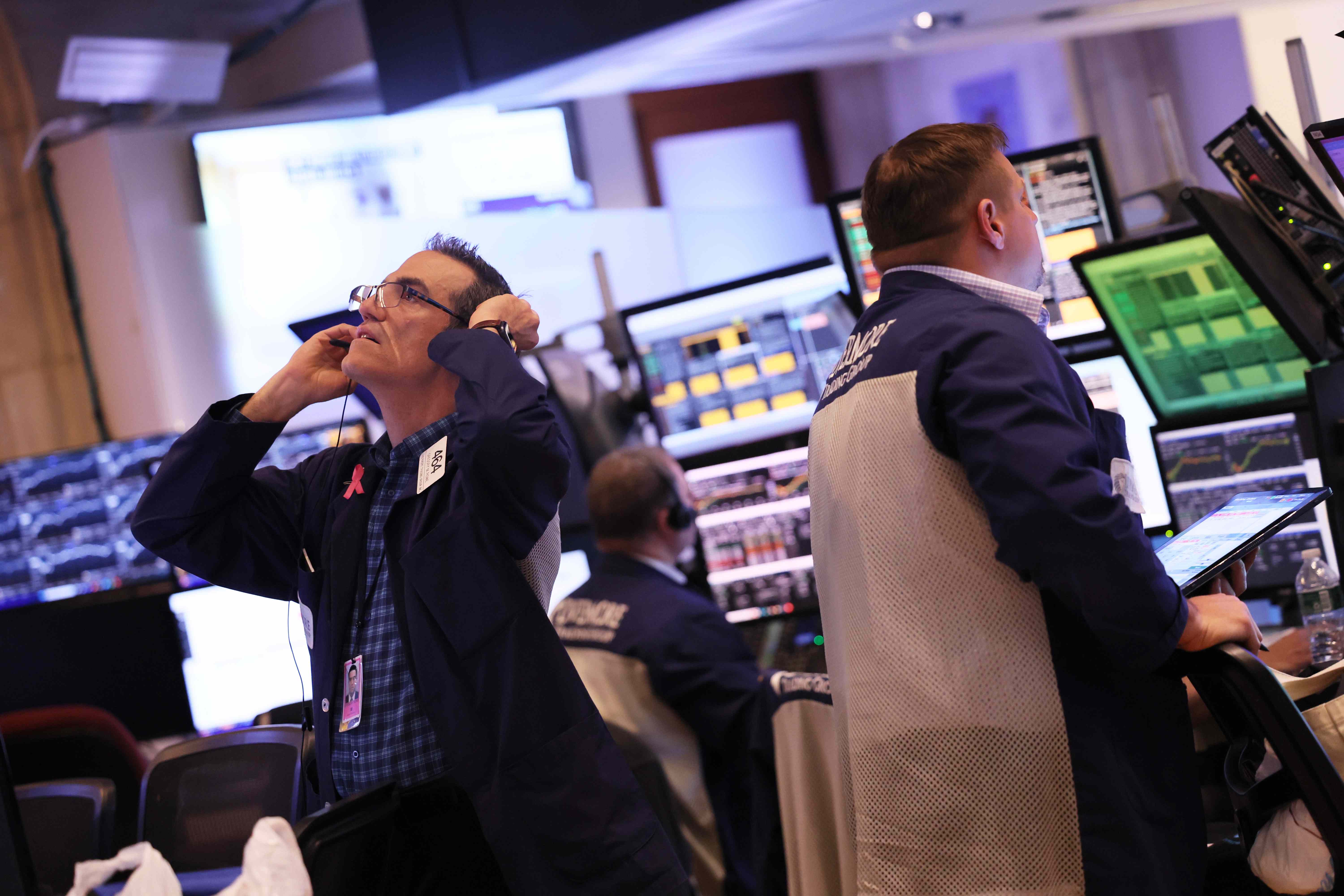 >
>
The Forecasting Fumble: A Recurring Theme
Take 2024, for example. The consensus pointed toward a 9% market gain. The reality? The S&P 500 surged by 25%. A similar situation played out the prior year. Pundits projected a 6.8% uptick; the index climbed 24.2%. And remember 2021? Wall Street braced for a meager 1.2% expansion, only to witness a 26.9% boom. As we approach the close of 2025, the market has already exceeded expert anticipations by over 5%. This isn’t just a blip; it is consistent underestimation.
This isn’t solely a stock market phenomenon. Economic predictions also suffer from similar inconsistencies. Even the Federal Reserve, whose models wield considerable influence, struggles. A Fed assessment analyzing economic projections since 1993 determined that real GDP growth fell within predicted ranges less than half the time – effectively worse than random chance. Inflation estimates fared slightly better, at 56%, but still missed the mark more often than not.>
The Fed’s own history isn’t exactly pristine. Between 2012 and 2020, FOMC members routinely overestimated inflation. Then, when prices skyrocketed in 2021, they underestimated the surge. It hit 40-year highs. If the very institutions setting monetary policy can’t reliably foresee economic shifts, it’s unsurprising that analysts build stock predictions atop shaky foundations and frequently stumble.
The Confidence Charade: Why Certainty Sells
Perhaps the issue isn’t just about flawed models. Maybe it lies in the inherent unpredictability of the market itself. After all, no model could have foreseen the tariff flip-flops of 2025 or the black swan event of the 2020 pandemic. Markets respond to policy changes, geopolitical events, and shifts in public sentiment, all difficult to foresee.
The bigger puzzle is why investors continue to treat these forecasts as gospel. Research has shown that overconfidence drives investors to overtrade, overestimate their judgment, and unduly trust experts who exude certainty. Investors often gravitate toward predictions that align with their existing beliefs, dismissing analysts who offer dissenting views. This confirmation bias amplifies the problem. The tendency to follow the crowd, often termed “herding behavior,” further exacerbates it, making deviation from the consensus seem risky.
Economist Scott Armstrong cleverly dubbed this inclination to trust confident individuals the “seersucker theory.” We instinctively believe those who sound certain must know their stuff. Confident forecasts provide comfort, even when the actual track record casts doubt.
Investing When the Crystal Ball is Cloudy
These confident projections can encourage rash investment decisions. Think chasing hot sectors, neglecting diversification, and attempting to time the market. While certainty provides reassurance, it can undermine a long-term investment strategy. So, as you navigate your financial planning for 2026 and beyond, what strategies make sense?
Here are a couple of ideas:
Prioritize Diversification: Avoid concentrating your investments too heavily in trendy sectors. Very few analysts have demonstrated a knack for consistently picking outperforming sectors over the long haul. Newer studies from Morgan Stanley have updated the conventional wisdom that spreading investments across different asset classes boosts returns, especially given that stocks and bonds no longer always move in opposite directions. Index funds offer instant diversification without betting on any single forecast.
Embrace Dollar-Cost Averaging: This involves investing a fixed sum at regular intervals, removing the need for market timing. Even better, it helps dodge the temptation to time the market based on the market predictions we are discussing.
The bottom line? Be skeptical of overly confident pronouncements. Building a robust financial future requires a focus on long-term strategy, diversification, and disciplined investing – not chasing fleeting predictions. Relying less on forecasts and more on sound principles, might be a better bet for your financial health. I’ve witnessed enough cycles to know that humility and a healthy dose of skepticism tend to serve investors well.

![[post_title]](https://samony.com.ng/wp-content/uploads/2025/12/1764998564_Ukraine-Russia-war-latest-Putin-risks-fresh-row-with-Trump-after-300x200.jpeg?lm=6933BDA8 "Ukraine War Reshapes Global Order: A Complex Web of Power, Diplomacy, and Risk")

![[post_title]](https://samony.com.ng/wp-content/uploads/2025/12/High-Risk-for-Frostbite-Heart-Strain-and-Chronic-Conditions-300x169.jpg?lm=6933A071 "Polar Vortex Here? What You MUST Know to Stay Safe")

![[post_title]](https://samony.com.ng/wp-content/uploads/2025/12/Full-List-Of-Lawmakers-Who-Refused-To-Dump-PDP-For.jpg?lm=6933A187 "Rivers State: Defection Dynamics and Political Fortunes")

![[post_title]](https://samony.com.ng/wp-content/uploads/2025/12/Dangote-Speaks-On-Reducing-Price-Of-Petrol-After-Meeting-Tinubu.webp.webp "Dangote Speaks On Reducing Price Of Petrol After Meeting Tinubu")

![[post_title]](https://samony.com.ng/wp-content/uploads/2025/12/1764998564_Ukraine-Russia-war-latest-Putin-risks-fresh-row-with-Trump-after-1024x683.jpeg?lm=6933BDAE "Ukraine War Reshapes Global Order: A Complex Web of Power, Diplomacy, and Risk")