

![[post_title]](https://samony.com.ng/wp-content/uploads/2025/11/1764318649_Teen-flying-to-see-family-at-Thanksgiving-deported-to-Honduras-1024x683.png?lm=69295DBE)
Deportation and Immigration Enforcement: A Critical Look at Shifting Sands
The case of Any Lucia Lopez Belloza, a college student deported to Honduras, surfaces some troubling aspects of current immigration enforcement policies. It also highlights the human cost often obscured by bureaucratic jargon. Lopez Belloza’s story, initially reported by The Independent, resonates far beyond a single headline. It raises fundamental questions about fairness, due process, and the long-term impact of these actions on individuals and communities.
Looking at this situation, a few things jump out. First, the stated justification for the deportation: an immigration judge’s removal order from over a decade ago. This begs the question of how much weight should be given to decisions made when someone was a child, particularly when they have seemingly integrated into society, pursued education, and, according to her lawyer, possesses no criminal record. It forces you to ponder if this “zero tolerance” approach genuinely serves justice.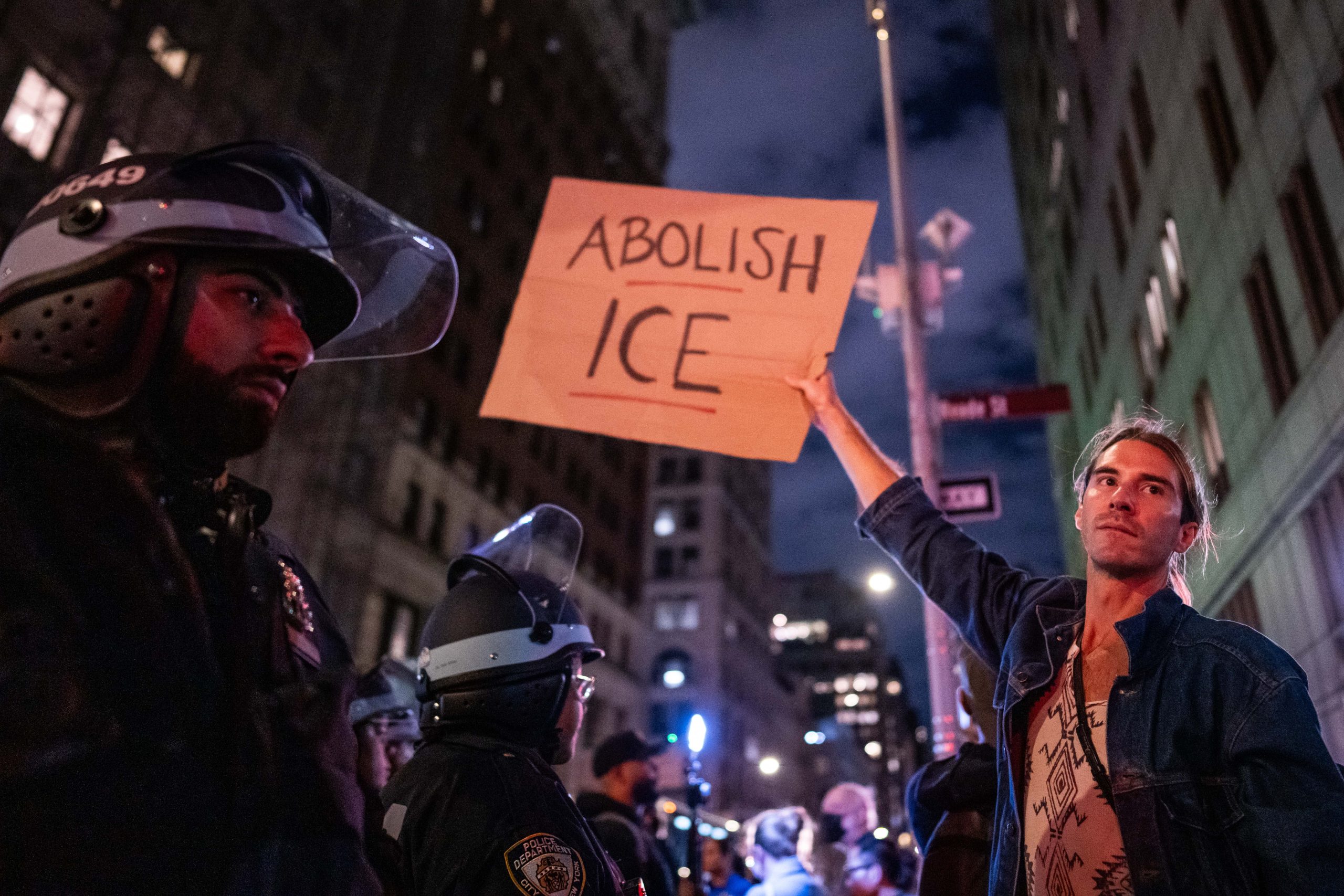 >
>
Then there’s the manner of her apprehension. Her lawyer uses the term “unconstitutional bag job”. This paints a picture of an overzealous approach, catching her off guard during travel, seemingly without clear explanation. Such tactics erode trust and raise valid concerns about the balance of power between the individual and government agencies.
It’s understandable that immigration enforcement is a complex issue. Nations have the right to control their borders. Yet, stories like Lopez Belloza’s invite reflection on the practical effects of these policies. Are we prioritizing strict enforcement to the detriment of compassion and common sense?
Over the years, I’ve observed how political tides heavily influence immigration policy. The pendulum swings between more lenient and restrictive approaches, often dictated by prevailing public sentiment and political agendas. The Trump administration’s “crackdown,” as alluded to in the original report, certainly intensified enforcement efforts. Now, even under a new administration, the echoes of those policies continue to reverberate.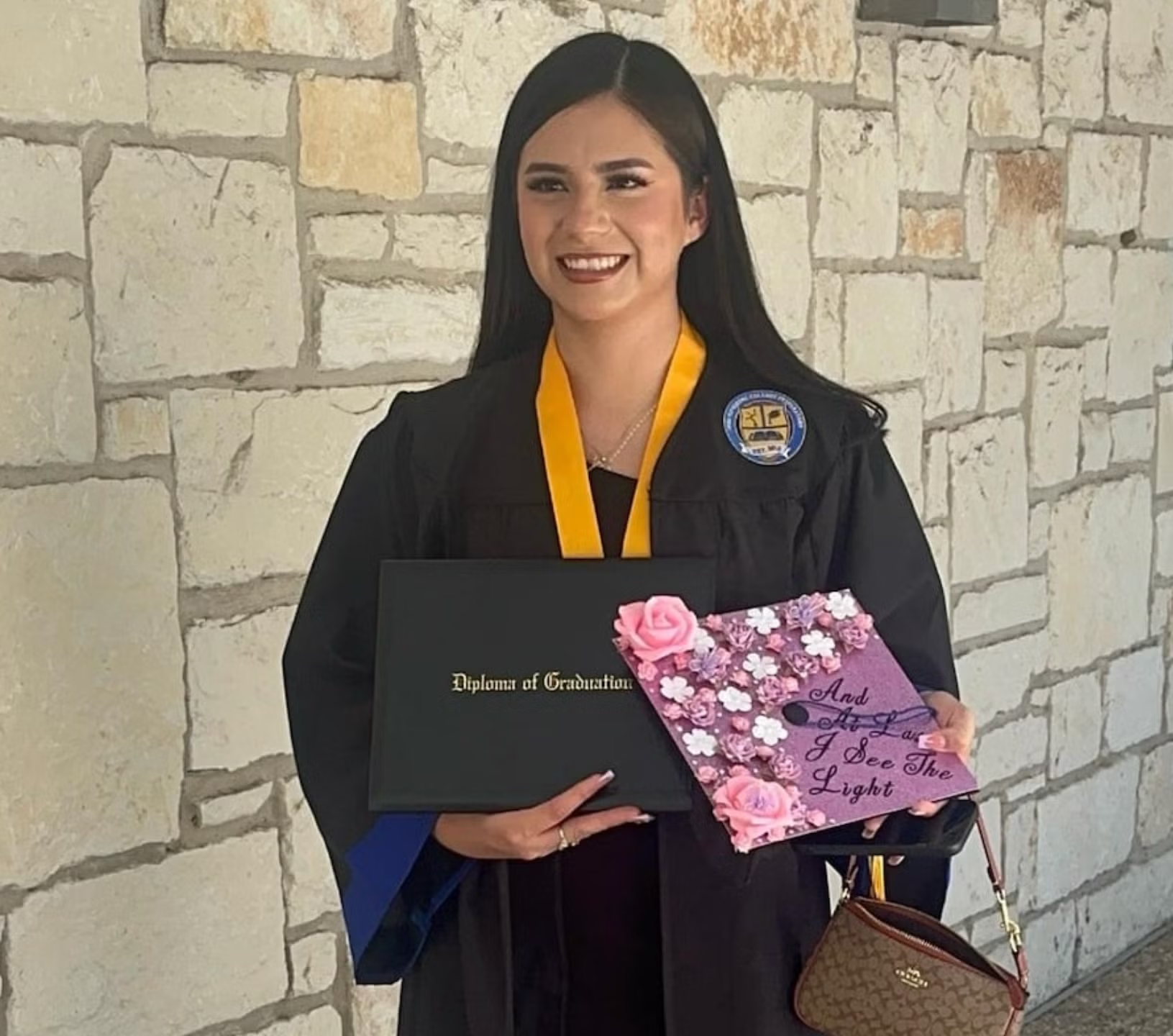 >
>
It’s worth noting that the Department of Homeland Security defended their action, citing the outstanding removal order. This illustrates the often-conflicting narratives present in these situations. The government presents a seemingly cut-and-dried case of enforcing existing law. On the other hand, Lopez Belloza’s advocates portray a young woman caught in a bureaucratic trap, stripped of her dreams.
This challenge stems partly from the sheer complexity of immigration law. Nuances abound, and individual circumstances can often be overlooked in the drive for efficiency. For instance, the American Immigration Council points out that Lopez Belloza was unaware of the outstanding removal order, potentially due to notification issues. This lack of awareness, while not excusing the violation, speaks to the practical hurdles individuals face in navigating the system.
The impact on the individual cannot be understated. Lopez Belloza describes “losing everything.” Her education, her family, her sense of belonging, all jeopardized. This human dimension frequently gets lost in the statistical data and policy debates that dominate the immigration discussion.
Looking at past examples, this situation appears to be symptomatic of a larger trend. Border security and immigration policies are frequently used as wedge issues. This results in a highly charged political environment where reasoned dialogue becomes difficult. It is crucial to examine the long-term effects of these enforcement actions. Are they truly making our communities safer? Or are they simply creating a climate of fear and instability?
The claim that a federal judge had ordered the government not to remove Lopez Belloza or transfer her outside of Massachusetts, if substantiated, introduces another layer of complexity. This potentially constitutes a direct violation of a court order. It would seriously undermine the legitimacy of the deportation.
Given these facts, this situation calls for further scrutiny. It also invites a broader conversation about the role of discretion in immigration enforcement. Are there circumstances where compassion and individual circumstances should outweigh rigid adherence to the law? Should childhood infractions permanently define an individual’s future?
It’s not about advocating for open borders or disregarding the rule of law. However, it is about recognizing the human element inherent in these cases. It involves striving for a system that balances security with fairness, and efficiency with empathy. It also means holding government agencies accountable for upholding due process and respecting the rights of all individuals, regardless of their immigration status.
While this single case may not represent the entirety of US immigration policy, it offers a powerful lens through which to examine its workings. It should provoke critical thought about its effectiveness, its impact, and, most importantly, its moral implications. The student’s experience underlines how much impact immigration rules have on real life.



![[post_title]](https://samony.com.ng/wp-content/uploads/2025/12/Womans-two-year-journey-advocating-for-Auslan-support-highlights-cracks-in-300x169.jpeg?lm=6933685D "Silenced Seniors: Deafness in Aged Care")

![[post_title]](https://samony.com.ng/wp-content/uploads/2025/12/1764976918_Trumps-White-House-trolls-Sabrina-Carpenter-in-video-about-criminal-300x158.jpeg?lm=6933691A "Content Weaponization: Trump, Carpenter, and the Meme War")
![[post_title]](https://samony.com.ng/wp-content/uploads/2025/12/1764976928_Niger-Gov-Bago-stresses-on-teamwork-synergy-among-govt-officials-300x200.jpg?lm=69336923 "Niger State’s Great Leap Forward? What Bago’s Teamwork Push Really Means")


![[post_title]](https://samony.com.ng/wp-content/uploads/2025/12/GoT-Prequel-Unveils-Final-Trailer.jpg?lm=69336F8E "Dunk and Egg are back! Is this the Game of Thrones fix we actually need?")
