

![[post_title]](https://samony.com.ng/wp-content/uploads/2025/11/1764310933_How-Russian-drones-targeting-civilians-are-turning-one-Ukrainian-city-1024x683.jpg?lm=69293F98)
Russian Drone Warfare: Are Civilians in Ukraine’s Kherson a Testing Ground?
Olena Horlova’s story is chilling. Leaving home in Kherson, Ukraine, now involves anticipating a potential drone strike. It’s a reality many face in this southern city, even after its liberation from Russian forces. Is this a new, grim chapter in warfare?
The Independent reports on the rising use of short-range, first-person view (FPV) drones by Russian forces targeting civilians. Equipped with livestreaming cameras, these drones let operators choose targets in real time. This tactic, initially seen in Kherson, has extended across several regions along the Dnipro River.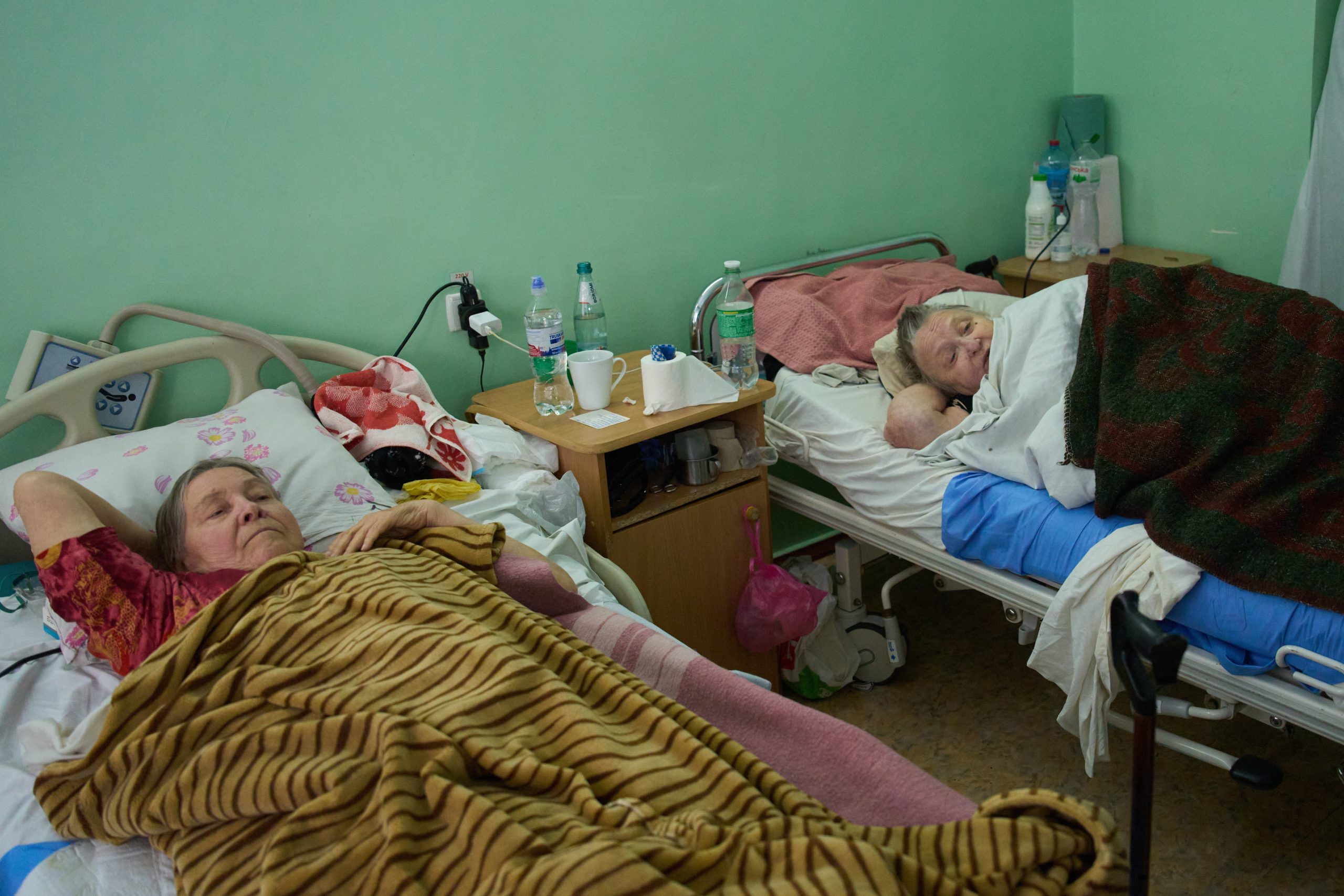 >
>
The UN’s investigation paints a dire picture. These aren’t just random acts of violence; they are deliberate attacks resulting in death, injuries, and displacement. The UN suggests these attacks represent crimes against humanity, specifically murder and forced displacement.
Horlova’s account details a terrifying “human safari,” a term that echoes the brutal reality on the ground. She claims drones perch on rooftops, waiting for people to appear before deploying explosives. Even animals are not spared. The intent, some believe, is retribution for the city’s joyous liberation.
I’ve observed similar patterns in past conflicts – the shift from targeting military objectives to intentionally terrorizing civilian populations. It’s a tactic meant to demoralize and destabilize, a strategy that disregards international humanitarian law.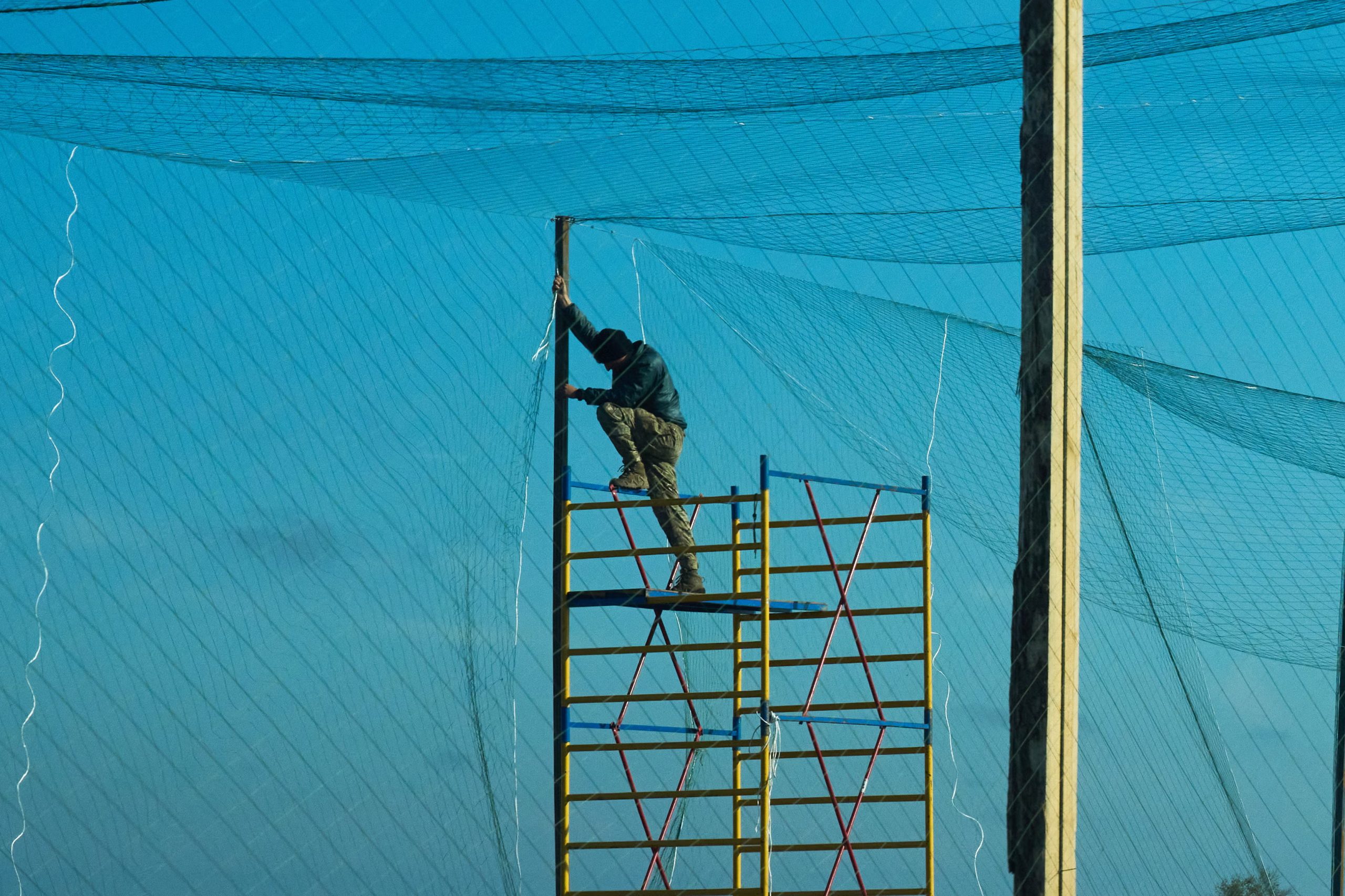 >
>
One report states Russian Telegram channels routinely share videos of drone attacks, often with mocking captions. It suggests a level of impunity and perhaps even encouragement from certain corners. The UN commission, lacking access to occupied areas and Russian cooperation, couldn’t confirm claims of Ukrainian drone attacks on civilians. This inability to investigate both sides fully is worth pointing out.
The 310th Separate Marine Electronic Warfare Battalion’s interception data reveals a disturbing trend. Videos show drones targeting vehicles, including ambulances, highlighting a clear disregard for civilian protection.
Dmytro Liashok, commander of the 310th Battalion, says Kherson faces roughly 300 drones daily, with October seeing a staggering 9,000 drones. Liashok describes the area as a training ground for new Russian drone crews. While independently verifying this claim is difficult, the sheer volume of drone activity certainly suggests intense operational testing.
Despite the overwhelming number of threats, Liashok claims his forces neutralize over 90% of the drones. Yet, the UN’s human rights office indicates that these attacks are the primary cause of civilian casualties near the front lines. More than 200 civilians have lost their lives, and over 2,000 have been wounded in southern regions since July 2024, with most victims being men. The discrepancy between neutralization rates and casualties raises some crucial inquiries. Are the drones getting through defenses more often? Are the deployed defenses inadequate? How do we reconcile the report of claimed neutralization with civilian casualties?
Angelina Jolie’s visit to Kherson underscored the constant threat. She wrote of pausing while a drone flew overhead, a momentary inconvenience for her but a daily reality for residents.
The stories from Kherson’s main hospital are gut-wrenching. Dr. Yevhen Haran describes the injuries as ranging from amputations to fatal wounds, calling the attacks “simply hunting for people.” One patient, Nataliia Naumova, a 70-year-old, suffered a blast injury while awaiting evacuation. The constant influx of patients with blast injuries speaks volumes about the severity of the situation.
Haran himself experienced a drone attack while driving with his wife, and while he survived, the event left him with lasting effects. His personal experience lends credence to the reports.
This relentless drone warfare begs the question: what are the long-term implications for civilian populations in conflict zones? The psychological toll, the disruption of daily life, and the erosion of trust in any sense of security. The experience of occupation and liberation shapes how people persevere through these attacks.
“We held out until liberation – we’ll hold out until peace as well,” one resident said. But that hope requires more than resilience. It requires international attention, accountability for those responsible, and a renewed commitment to protecting civilians in armed conflict.

![[post_title]](https://samony.com.ng/wp-content/uploads/2025/12/16-LAWMAKERS-DEFECT-FROM-PDP-TO-APC-IN-RIVERS-STATE-300x208.jpg?lm=69338673 "Rivers State Politics Just Got Wild: What’s Going On?")

![[post_title]](https://samony.com.ng/wp-content/uploads/2025/12/UK-Backs-Nigeria-With-Two-Flagship-Economic-Reform-Programmes-300x201.jpg?lm=69338486 "Nigeria-UK Investment: From Aid Dependency to True Economic Partnership?")
![[post_title]](https://samony.com.ng/wp-content/uploads/2025/12/Stuck-in-a-van-while-the-president-measures-the-Kennedy-300x200.jpg?lm=69338500 "Decoding Industry Dynamics")
![[post_title]](https://samony.com.ng/wp-content/uploads/2025/12/Nigeria-is-safe-says-Boris-Johnson-ex-UK-prime-minister-300x226.jpg?lm=69338546 "Nigeria Investment: Safe Bet or Risky Gamble? You Decide.")


![[post_title]](https://samony.com.ng/wp-content/uploads/2025/12/Wike-sacks-FCT-IRS-acting-chairman-Michael-Ango.jpeg?lm=69338BEB "Wike Sacked FCT Revenue Boss After Record Numbers: What’s Really Going On?")
![[post_title]](https://samony.com.ng/wp-content/uploads/2025/12/Netflix-To-Acquire-Warner-Bros-Discoverys-Film-And-Streaming-Units.jpg?lm=693385D9 "Streaming’s $72 Billion Gamble: Netflix and Warner Bros. Discovery")
![[post_title]](https://samony.com.ng/wp-content/uploads/2025/12/16-LAWMAKERS-DEFECT-FROM-PDP-TO-APC-IN-RIVERS-STATE.jpg?lm=69338670 "Rivers State Politics Just Got Wild: What’s Going On?")
