

![[post_title]](https://samony.com.ng/wp-content/uploads/2025/11/Abubuwan-da-ke-faruwa-a-Najeriya-da-sauran-sassan-duniya.jpg?lm=69293DAF)
Analyzing Global Developments: A Critical Look at Industry Shifts and Geopolitical Tensions
Staying ahead requires more than just reading headlines. It demands a considered approach, a willingness to dig beneath the surface, and, frankly, a healthy dose of skepticism. The Tanzanian situation, as highlighted by the EU Parliament’s recent actions, offers a prime example.
The EU’s move to potentially suspend direct financial support to Tanzania isn’t exactly groundbreaking. We’ve witnessed similar actions before, often triggered by concerns over election integrity and human rights violations. Specifically, the European Parliament voiced concerns over alleged post-election killings, human rights abuses, and the detention of opposition figures. The resolution itself condemns the purported use of force against protestors following the October presidential election and urges Tanzanian authorities to hold political discussions with the opposition, civil society groups, and victims’ representatives.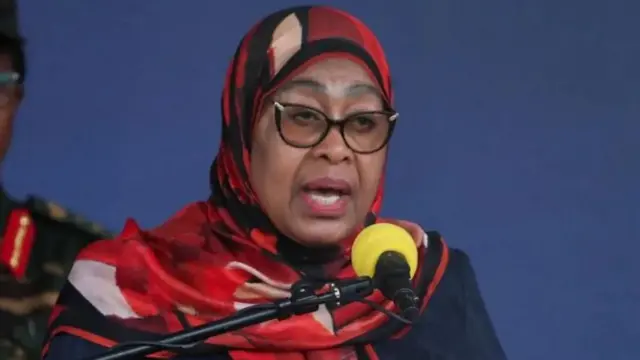 >
>
On one hand, the EU has a responsibility to uphold its values. Funding regimes accused of suppressing dissent sends the wrong signal. Yet, we must also consider the potential ramifications of withholding aid. Will it genuinely promote positive change, or will it further destabilize the country, potentially harming the very people the EU seeks to protect? It is not simple.
From my perspective, blanket suspensions rarely achieve the desired results. Often, they disproportionately impact the most vulnerable populations, while those in power find alternative sources of funding or simply double down on their existing policies. Targeted sanctions against specific individuals or entities involved in alleged abuses might prove a more effective strategy.
It’s worth remembering that development aid, however well-intentioned, can sometimes create dependencies and distort local economies. A more sustainable approach involves fostering trade relationships, promoting investment in local businesses, and supporting initiatives that empower communities to become self-sufficient.>
Also, the EU parliament’s pronouncements may not necessarily hold a lot of weight. It urged the Commission to withdraw its draft proposal to fund Tanzania’s EU National Indicative Program for 2025, but there’s no guarantee that will happen.
The allegations surrounding the Tanzanian election are troubling. Claims of security forces killing protestors, enforced disappearances, torture, and other abuses demand impartial investigation. The opposition claims that President Suluhu’s victory with 98% of the vote represents a “mockery of democracy.” These are serious accusations that require thorough scrutiny.
Consider this: authoritarianism is on the rise globally. Elections have become increasingly contentious. It’s crucial to look at each situation with nuance, avoiding simplistic narratives of good versus evil. What are the underlying factors driving political instability in Tanzania? What are the competing interests at play? Who benefits from the current situation? These are the questions we must ask.
What happens next hinges on several factors. How will the Tanzanian government respond to the EU’s concerns? Will it engage in meaningful dialogue with the opposition and address the allegations of human rights abuses? Will other international actors, such as the African Union, step in to mediate?
This situation underscores the complexities of international relations and the challenges of promoting democracy and human rights in a rapidly changing world. We need to move beyond knee-jerk reactions and embrace a more strategic and nuanced approach. Supporting free press, enabling NGOs and pushing for transparency will always serve as critical catalysts for change.
Another crucial point is the role of information. Misinformation and disinformation can easily distort public perception and exacerbate tensions. Cultivating media literacy and supporting independent journalism are vital for ensuring that citizens have access to accurate information and can make informed decisions.
This also serves as a potent reminder that stability doesn’t equal justice, nor does economic growth ensure equity. Nations need to develop in ways that benefit all its people, particularly those most at risk of being left behind. I know firsthand that these principles are vital to lasting progress.
The EU’s actions regarding Tanzania highlight a broader trend: an increasing willingness by international bodies to hold governments accountable for their human rights records and democratic practices. Yet, the effectiveness of such interventions remains a subject of debate. How can external actors best promote positive change without undermining national sovereignty or exacerbating existing tensions? The answer, I suspect, lies in a combination of diplomacy, targeted sanctions, and support for civil society organizations working on the ground.
We’ve seen these dynamics unfold in other countries too. Consider the evolving trade wars and the growing influence of non-state actors. To really understand what’s happening, we must look beyond the headlines and examine the deeper forces at play.
The road ahead for Tanzania is uncertain. The EU’s potential suspension of aid will undoubtedly have consequences, both intended and unintended. Whether these consequences will ultimately lead to positive change remains to be seen. This is not merely a Tanzanian issue; it represents a microcosm of the challenges facing the international community as it strives to promote democracy, human rights, and sustainable development in an increasingly complex and interconnected world. We all stand to learn from the outcome.

![[post_title]](https://samony.com.ng/wp-content/uploads/2025/12/16-LAWMAKERS-DEFECT-FROM-PDP-TO-APC-IN-RIVERS-STATE-300x208.jpg?lm=69338673 "Rivers State Politics Just Got Wild: What’s Going On?")
![[post_title]](https://samony.com.ng/wp-content/uploads/2025/12/UK-Backs-Nigeria-With-Two-Flagship-Economic-Reform-Programmes-300x201.jpg?lm=69338486 "Nigeria-UK Investment: From Aid Dependency to True Economic Partnership?")
![[post_title]](https://samony.com.ng/wp-content/uploads/2025/12/Stuck-in-a-van-while-the-president-measures-the-Kennedy-300x200.jpg?lm=69338500 "Decoding Industry Dynamics")
![[post_title]](https://samony.com.ng/wp-content/uploads/2025/12/Nigeria-is-safe-says-Boris-Johnson-ex-UK-prime-minister-300x226.jpg?lm=69338546 "Nigeria Investment: Safe Bet or Risky Gamble? You Decide.")


![[post_title]](https://samony.com.ng/wp-content/uploads/2025/12/Wike-sacks-FCT-IRS-acting-chairman-Michael-Ango.jpeg?lm=69338BEB "Wike Sacked FCT Revenue Boss After Record Numbers: What’s Really Going On?")
![[post_title]](https://samony.com.ng/wp-content/uploads/2025/12/Netflix-To-Acquire-Warner-Bros-Discoverys-Film-And-Streaming-Units.jpg?lm=693385D9 "Streaming’s $72 Billion Gamble: Netflix and Warner Bros. Discovery")
![[post_title]](https://samony.com.ng/wp-content/uploads/2025/12/16-LAWMAKERS-DEFECT-FROM-PDP-TO-APC-IN-RIVERS-STATE.jpg?lm=69338670 "Rivers State Politics Just Got Wild: What’s Going On?")
