

![[post_title]](https://samony.com.ng/wp-content/uploads/2025/11/1764301635_Putin-refuses-to-budge-on-demand-for-Ukrainian-territory-ahead-1024x683.jpeg?lm=69291B46)
Ukraine War: Is a Peace Deal Possible? Analyzing Putin’s Demands and Shifting Diplomacy
The situation in Ukraine remains a tangled mess, a web of shifting demands, stalled negotiations, and continued conflict. Recent pronouncements from Vladimir Putin, coupled with behind-the-scenes diplomatic activity, suggest movement, but real progress? That’s a question mark.
Putin is digging in his heels. He’s publicly stated that Ukraine must surrender territory before any peace deal can be brokered. Essentially, he wants Ukraine to cede the very regions Russia is trying to seize by force. A maximalist position, to say the least. I’ve seen this playbook before. It’s about setting a high bar to then (maybe) appear reasonable when settling for something less – though what “less” looks like here is terrifying.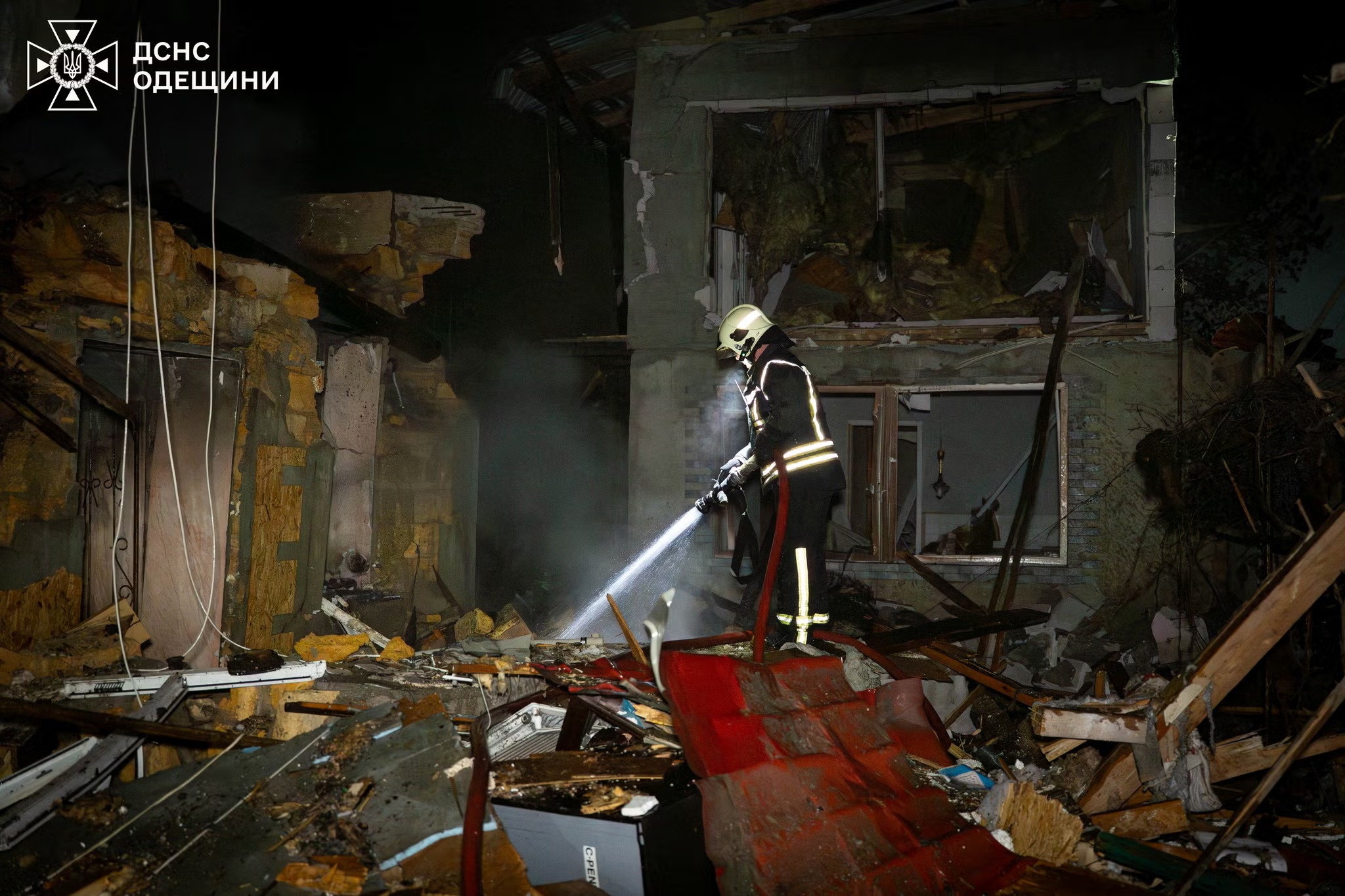 >
>
Volodymyr Zelensky, on the other hand, has declared that Ukraine will never concede land. This stance is understandable, given the immense cost in lives and sovereignty. The Ukrainian people have demonstrated incredible resilience. For them to simply hand over land seems an impossibility. This creates a deadlock.
Yet, there are glimmers of activity. Discussions are ongoing between Ukrainian and US delegations regarding security guarantees. Steve Witkoff, a US envoy, is heading to Russia for talks. The US is circulating a 28-point peace plan, a plan that Putin says could form a “basis” for an agreement. It’s a starting point, he claims, while also demanding Ukraine lay down its arms and surrender territory. Notice the contrast?
It’s worth pausing here. The US initiative is interesting. That Washington is “listening to Russia’s arguments” – Putin’s words – hints at a possible shift in the diplomatic landscape. This could indicate a willingness to entertain solutions that might have been unthinkable earlier in the conflict.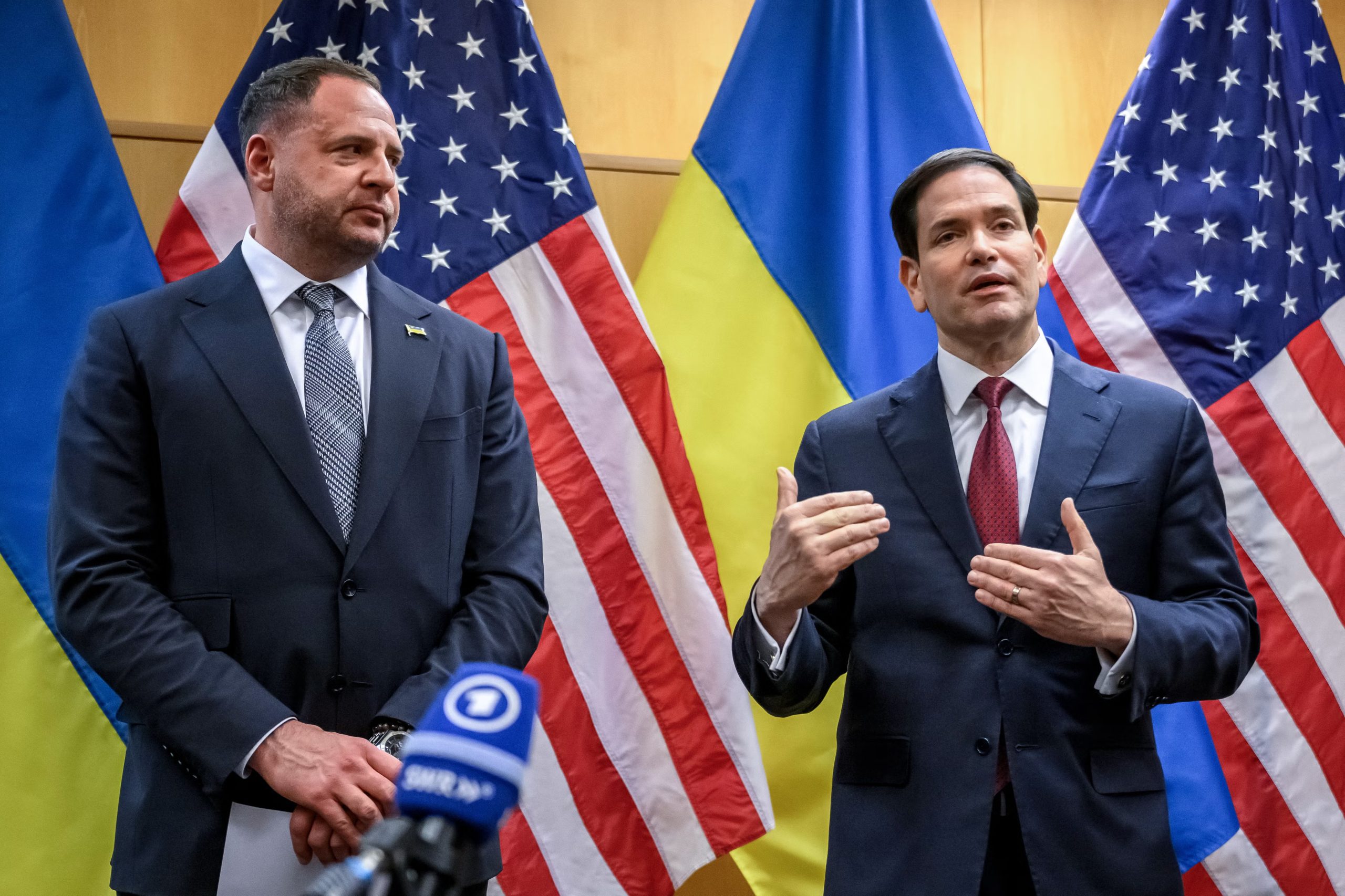 >
>
Still, the devil is in the details. A key sticking point revolves around the future of Crimea and the Donbas region. Could the US recognize these regions as de facto Russian territories? This is what Putin seems to be suggesting. Such a move would be a major concession, a bitter pill for Ukraine and many in the West to swallow.
We must consider that the US may be attempting a nuanced approach, perhaps separating de facto control from legal recognition. It’s a delicate dance, rife with potential for misinterpretation and further escalation. I’ve seen this kind of ambiguity backfire in similar situations, leading to prolonged conflict, not resolution.
Now, about the leaked recording of Witkoff “coaching” a Russian official. Some brush it off as standard negotiation tactics, others decry it as appeasement. The truth likely lies somewhere in between. It highlights the backroom dealing that often accompanies high-stakes diplomacy, and the fact that these discussions took place before Europe’s involvement raises some eyebrows. It also underscores the complexities of dealing with a figure like Putin, who excels at leveraging any perceived weakness or division.
The Kremlin dismisses the leaks, framing them as attempts to sabotage peace talks. Perhaps. Or maybe they reveal the inherent fragility of the current process, a process built on compromises that some find deeply unsettling.
Adding another layer is the emerging European security force. Turkey is willing to participate, joining forces with France and the UK. This suggests a commitment to long-term stability in the region, after a ceasefire, of course. But a ceasefire seems increasingly elusive.
Putin denies any plans to attack Europe, calling such claims “ridiculous.” While direct military aggression against NATO may be unlikely in the immediate future, Russia’s actions in Ukraine have already destabilized the continent and redrawn geopolitical lines. Disinformation campaigns, cyberattacks, and economic manipulation remain potent tools in Russia’s arsenal.
The situation on the ground remains brutal. Fighting rages around the city of Pokrovsk, a key transport hub. Capturing it would give Russia a clearer path to key cities in the Donetsk region. This points to a continued effort to achieve military objectives that can then be leveraged at the negotiating table.
It’s a chess game being played with human lives.
What does it all mean? It’s difficult to be optimistic. Putin’s public pronouncements are hardly conciliatory. Zelensky faces immense domestic pressure to stand firm. The US is exploring options, but the gap between the two sides remains vast. The European security force offers a glimmer of hope for long-term stability, but that’s contingent on a ceasefire that seems increasingly distant.
Ultimately, a lasting peace deal in Ukraine will require a fundamental shift in perspective, a willingness to compromise on seemingly non-negotiable issues. And that, I suspect, is the biggest challenge of all. It’s a tragedy unfolding, and whether diplomacy can catch up to the devastation remains to be seen. The stakes are incredibly high. The next few weeks will be critical in shaping the future of Ukraine, and indeed, the future of Europe.

![[post_title]](https://samony.com.ng/wp-content/uploads/2025/12/What-I-Told-My-Daughter-When-She-Said-She-Wants.webp "Beyond the Aisle: Redefining Wedding Value in a Changing Landscape")
![[post_title]](https://samony.com.ng/wp-content/uploads/2025/12/1764955183_Martin-Kemp-tells-how-wife-Shirlie-told-him-she-loved-300x158.jpg?lm=69331432 "The Enduring Power of “I Love You”: Authenticity, Family, and the Evolving Celebrity Landscape")
![[post_title]](https://samony.com.ng/wp-content/uploads/2025/12/1764954838_US-advisory-panel-rolls-back-universal-hepatitis-B-vaccine-recommendation-300x158.jpg?lm=693312D9 "Hepatitis B Vaccine Policy: A Controversial Reversal")
![[post_title]](https://samony.com.ng/wp-content/uploads/2025/12/Netflix-to-buy-Warner-Bros-film-and-streaming-businesses-for-300x169.jpg?lm=6932FE41 "Netflix Just Made a HUGE Move: Buying Warner Bros?!")

![[post_title]](https://samony.com.ng/wp-content/uploads/2025/12/1764955514_World-Cup-2026-draw-live-England-Scotland-and-hosts-USA-1024x683.jpg?lm=6933157E "2026 World Cup Draw: Geopolitics and Growing Pains")
![[post_title]](https://samony.com.ng/wp-content/uploads/2025/12/Pressure-growing-on-Pete-Hegseth-as-GOP-and-Democrats-unite-1024x683.jpg?lm=69331388 "Hegseth Under Fire: War Crime Accusations or Political Hit Job?")
![[post_title]](https://samony.com.ng/wp-content/uploads/2025/12/1764955183_Martin-Kemp-tells-how-wife-Shirlie-told-him-she-loved-1024x538.jpg?lm=69331432 "The Enduring Power of “I Love You”: Authenticity, Family, and the Evolving Celebrity Landscape")
