

![[post_title]](https://samony.com.ng/wp-content/uploads/2025/11/1764290516_Death-toll-rises-to-94-after-Hong-Kong-blaze-as-1024x538.jpg?lm=6928EFD7)
Hong Kong Fire Tragedy: A Wake-Up Call for Building Safety and Renovation Practices
The recent inferno in Hong Kong, claiming at least 94 lives, is more than just a news headline. It’s a stark reminder of the vulnerabilities inherent in dense urban environments and the potential consequences of inadequate safety measures during building renovations. Firefighters battled for two days to extinguish the blaze, the deadliest in Hong Kong’s modern history.
The fire, which engulfed the Wang Fuk Court estate in Tai Po district, raises serious questions about construction safety standards, particularly concerning the use of bamboo scaffolding. The speed with which the blaze spread, allegedly fueled by substandard materials on the building’s exterior, points to systemic issues needing immediate action.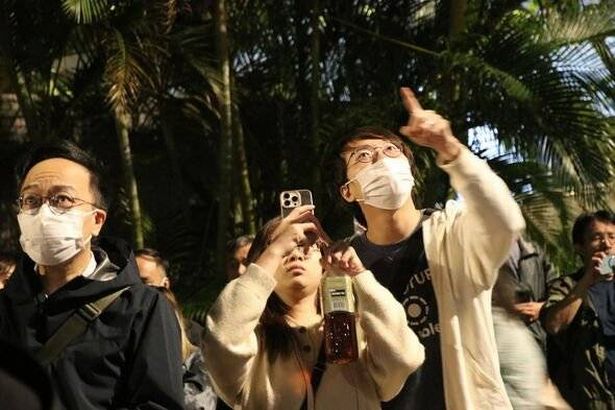 >
>
Eyewitness reports describe a terrifying scene of rapidly escalating flames and falling debris. This paints a picture of chaos, making it incredibly difficult for both residents to escape and rescue teams to gain access. The fact that nearly 300 people were initially unaccounted for speaks volumes about the scale of the disaster and the communication challenges involved.
While investigations are still underway, the arrest of company directors and an engineering advisor on suspicion of manslaughter signals a potential for criminal negligence. The police raid on Prestige Construction & Engineering Company suggests authorities are scrutinizing the refurbishment work and the materials used. It’s important to let the investigation unfold, but the initial findings warrant serious examination of industry practices.
It’s worth noting the potential role of bamboo scaffolding in the rapid spread of the fire. For decades, bamboo has been a mainstay in Hong Kong construction. Its cost-effectiveness and flexibility are undeniable. Yet, its flammability poses a significant risk, especially in densely populated areas. The government’s indication that it will explore switching to metal scaffolding is a logical step, but implementing such a change will likely encounter resistance due to cost and entrenched practices.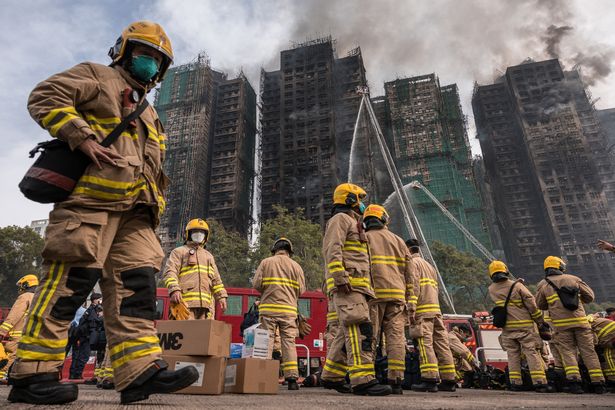 >
>
This challenge requires a balanced approach. Simply banning bamboo scaffolding overnight could cripple smaller construction companies. Instead, phased implementation, coupled with incentives for adopting safer alternatives, may be a more pragmatic solution. Moreover, rigorous inspections and enforcement of existing fire safety regulations are paramount. It is time the authorities stopped only responding to big events and instead take pre-emptive action.
Beyond the immediate aftermath, this tragedy highlights broader issues of urban planning and building maintenance in Hong Kong. Many older residential estates, like Wang Fuk Court, house a large number of elderly residents. This can make evacuation during emergencies more difficult. The government needs to address these vulnerabilities. Perhaps it is time for an overhaul on residential building laws.
Given these facts, the Hong Kong government’s response will be closely watched. The promised investigation into potential corruption related to the renovation project is crucial for ensuring accountability and preventing future disasters. However, true change requires more than just punishing wrongdoers. It calls for a fundamental shift in attitudes towards safety and a willingness to invest in preventative measures.
I’ve witnessed similar patterns in other industries where cost-cutting and expediency have trumped safety, with tragic consequences. The construction industry is no different. It is incumbent upon regulators, industry leaders, and individual contractors to prioritize safety above all else.
What’s next? The authorities must conduct thorough safety checks on all housing estates undergoing refurbishment. They need to ensure that scaffolding and construction materials meet the highest standards. It’s not enough to simply react to this tragedy. Hong Kong must use this as an opportunity to build a more resilient and safer urban environment.
The Pope’s expression of sorrow underscores the global impact of this disaster. However, condolences alone are insufficient. The international community should offer support and expertise to help Hong Kong improve its fire safety protocols and emergency response capabilities.
Ultimately, the legacy of this fire should not be defined by the lives lost, but by the changes implemented to prevent similar tragedies from happening again. Hong Kong has a chance to emerge from this crisis stronger and more secure. Hopefully, they will implement the necessary changes.

![[post_title]](https://samony.com.ng/wp-content/uploads/2025/12/Nigeria-Approves-Fiscal-Plan-Proposing-N545trn-2026-Budget-300x169.jpg?lm=69323047 "Nigeria’s N54.5 Trillion Budget: Ambition vs. Reality")
![[post_title]](https://samony.com.ng/wp-content/uploads/2025/12/Groups-to-Tinubu-Disregard-lawmakers-call-for-Ribadus-sack-300x169.png?lm=69323086 "Ribadu’s Job on the Line? What Nigeria’s NSA Debate Really Means")

![[post_title]](https://samony.com.ng/wp-content/uploads/2025/12/President-Tinubu-Swears-In-Christopher-Danjuma-As-Minister-of-Defence-225x300.jpg?lm=69323184 "From Barracks to Boardroom: Can Danjuma Bridge Nigeria’s Security Divide?")
![[post_title]](https://samony.com.ng/wp-content/uploads/2025/12/1764897203_Manchester-United-fans-boo-as-West-Ham-steal-away-vital-300x209.jpeg?lm=693231B6 "Manchester United’s Season of Frustration")
![[post_title]](https://samony.com.ng/wp-content/uploads/2025/12/Apple-announces-even-more-major-executive-turnover-300x156.jpg?lm=69322D9B "Apple’s Big Leadership Shakeup: What’s Really Going On With Environment and Policy?")

![[post_title]](https://samony.com.ng/wp-content/uploads/2025/12/Warriors-vs-76ers-live-online-score-stats-updates-1024x576.jpg?lm=6932376D "Warriors Face Sixers Test of Depth Amid Curry’s Absence")
![[post_title]](https://samony.com.ng/wp-content/uploads/2025/12/1764896764_Hegseth-orders-new-strike-that-kills-4-on-alleged-drug-1024x683.jpg?lm=69323002 "U.S. Military Strikes: Escalation, Ethics, and Accountability")
![[post_title]](https://samony.com.ng/wp-content/uploads/2025/12/Nigeria-Approves-Fiscal-Plan-Proposing-N545trn-2026-Budget-1024x575.jpg?lm=69323047 "Nigeria’s N54.5 Trillion Budget: Ambition vs. Reality")
![[post_title]](https://samony.com.ng/wp-content/uploads/2025/12/Groups-to-Tinubu-Disregard-lawmakers-call-for-Ribadus-sack-1024x576.png?lm=69323086 "Ribadu’s Job on the Line? What Nigeria’s NSA Debate Really Means")
