

![[post_title]](https://samony.com.ng/wp-content/uploads/2025/11/FG-Says-Goodluck-Jonathan-Others-Out-Of-Guinea-Bissau.jpg?lm=6928EECC)
Guinea-Bissau Coup: A Familiar Pattern? Former Nigerian President Jonathan Evacuated
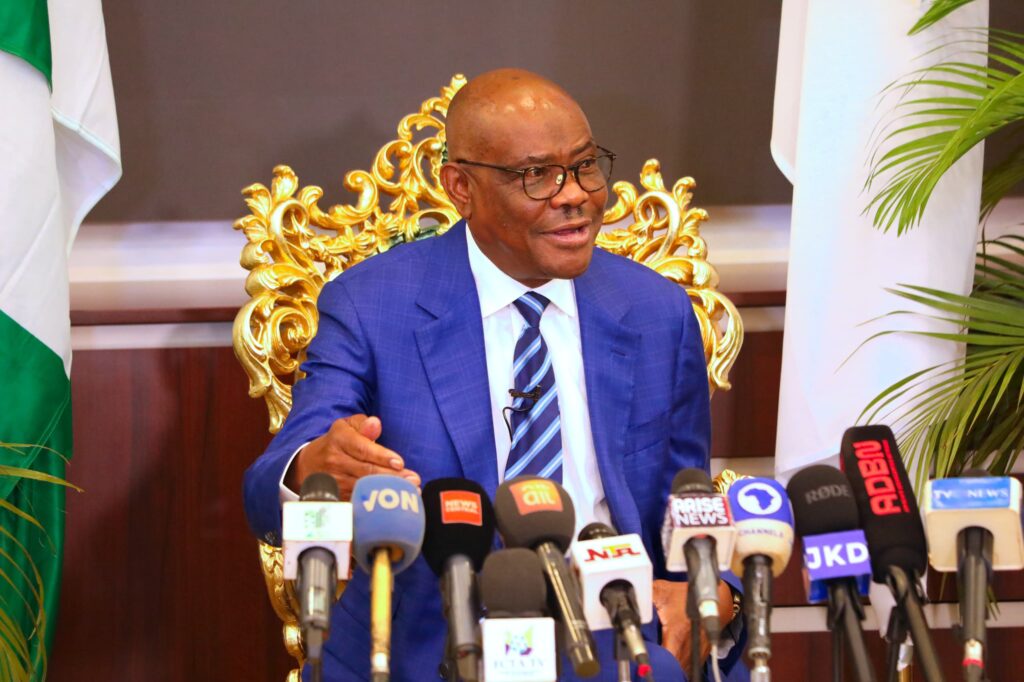
News of the recent coup in Guinea-Bissau has, understandably, caused ripples throughout the region. Reports initially suggested former Nigerian President Goodluck Jonathan and his delegation were caught in the crossfire. The Nigerian government moved quickly, confirming Jonathan’s safety and subsequent evacuation. They, along with the AU and ECOWAS election observers, sharply criticized the military’s actions.
Coups in West Africa, sadly, are not entirely new. The official justification from the military – preventing instability allegedly orchestrated by politicians and a drug baron – echoes familiar refrains. We’ve heard similar narratives before, used to legitimize power grabs. It’s worth pausing and considering: how much of this is genuine concern for the country’s well-being, and how much is a pretext for something else?
The Economic Community of West African States (ECOWAS) finds itself once again facing a thorny situation. Their protocol on democracy and good governance is clear: coups are unacceptable. Nigeria’s strong condemnation aligns with this stance. Yet, simply denouncing the action rarely solves the deeper issues at play.
The situation in Guinea-Bissau highlights a larger challenge for the region: the fragility of democratic institutions coupled with the ever-present lure of illicit wealth and power. Elections alone don’t guarantee stability, and external actors often have their own agendas. One wonders, to what extent do external powers influence the internal dynamics of countries like Guinea-Bissau?
Jonathan, serving as an election observer, alongside the AU and ECOWAS missions, represent a commitment to democratic processes. Their joint statement decrying the coup aimed to project a unified front. Yet, statements alone may not deter a determined military faction. The real test lies in ECOWAS’s ability to implement effective measures, and in the long-term, to help address the root causes of instability.
Beyond the immediate crisis, several things deserve close scrutiny. Who are these “unnamed politicians” and the “well-known drug baron” the military accuses? What evidence do they have? Transparency is paramount, but historically, transparency is the first casualty in situations like this.
The closure of borders and imposition of a curfew are standard playbook moves during a coup. They aim to restrict information flow and consolidate control. Still, these measures inevitably impact ordinary citizens, disrupting their lives and livelihoods.
The international community’s reaction bears watching. Will there be sanctions? Will aid be suspended? These measures can put pressure on the coup leaders, but they can also hurt the very people they claim to be protecting.
From my own experience observing political dynamics in similar contexts, sustainable solutions require more than just condemnation. They need a holistic approach that addresses issues like poverty, corruption, and lack of opportunity. These factors create fertile ground for discontent and make societies vulnerable to manipulation.
It’s easy to express outrage at the coup. However, we must also examine the conditions that made it possible. Simply restoring the status quo ante might only set the stage for another crisis down the road. A longer game of systemic change is needed.
The coup in Guinea-Bissau, while distressing, presents an opportunity for ECOWAS and the broader international community to reassess their strategies. Perhaps a more proactive, preventative approach is needed, one that focuses on strengthening institutions and promoting inclusive governance before crises erupt.
The swift evacuation of former President Jonathan and his team suggests a level of preparedness, or perhaps a degree of inside information. It is a relief that they are safe. Nevertheless, their presence in the country as election observers underscores the importance of these missions, even in risky environments.
It’s a complicated situation, and easy answers are hard to come by. The situation demands a nuanced understanding of the historical, political, and economic factors at play. Otherwise, we risk repeating the same mistakes and seeing similar events unfold again and again.
Given these circumstances, looking for avenues for peaceful resolution should be a priority. Dialogue, even with the coup leaders, might be necessary. It is important to stress the need for a return to constitutional order and respect for human rights.
The unfolding events in Guinea-Bissau serve as a stark reminder: democracy is a fragile plant that requires constant tending. It’s not enough to simply hold elections. We must cultivate a culture of good governance, accountability, and respect for the rule of law. That’s the only way to build lasting stability.
To that end, regional bodies must redouble their efforts to promote these values and support countries like Guinea-Bissau in their journey toward a more secure and prosperous future. Anything less would be a disservice to the Bissau-Guinean people and a setback for the region as a whole.
Keywords: Guinea-Bissau coup, Goodluck Jonathan, ECOWAS, West Africa coups, Guinea-Bissau instability, election observers, democratic governance, political crisis

![[post_title]](https://samony.com.ng/wp-content/uploads/2025/12/What-is-SPF-and-how-is-sunscreens-sun-protection-factor-300x169.jpeg?lm=69332F30 "Australian Sunscreen Standards Under Fire: Are SPF Claims Reliable?")
![[post_title]](https://samony.com.ng/wp-content/uploads/2025/12/1764962269_Federal-judge-orders-Epstein-grand-jury-documents-unsealed-as-DOJ-300x200.jpeg?lm=69332FE2 "Epstein Documents Unsealed: Transparency or Obstruction?")
![[post_title]](https://samony.com.ng/wp-content/uploads/2025/12/1764962435_Star-says-Im-a-Celeb-stint-drove-him-back-to-300x158.jpg?lm=69333086 "Iain Lee’s Relapse After Reality TV: Time for Shows to Actually Care?")
![[post_title]](https://samony.com.ng/wp-content/uploads/2025/12/BREAKING-Full-draw-for-2026-World-Cup-group-stages-confirmed-300x169.jpg?lm=69333127 "2026 World Cup Draw: Initial Reactions and Open Questions")
![[post_title]](https://samony.com.ng/wp-content/uploads/2025/12/SteamOS-vs-Windows-on-dedicated-GPUs-Its-complicated-but-Windows-300x169.jpeg?lm=69332D18 "SteamOS vs. Windows Gaming: 2026 Performance Showdown")

![[post_title]](https://samony.com.ng/wp-content/uploads/2025/12/streaming-chaine-TV-et-compos-1024x536.jpg?lm=693336DA "Ligue 1’s Chessboard: Reading Between the Lines of Lille vs. Marseille")
![[post_title]](https://samony.com.ng/wp-content/uploads/2025/12/What-is-SPF-and-how-is-sunscreens-sun-protection-factor.jpeg?lm=69332F2E "Australian Sunscreen Standards Under Fire: Are SPF Claims Reliable?")
