

![[post_title]](https://samony.com.ng/wp-content/uploads/2025/11/1764274571_Earthquake-of-60-magnitude-rocks-Alaska-early-on-Thanksgiving-morning-1024x683.jpg?lm=6928B191)
Alaska Earthquake: Analyzing the Aftershocks and Seismic Trends
A 6.0 magnitude earthquake struck Alaska early on Thanksgiving morning. Initial reports suggest limited damage, thankfully. But let’s consider the bigger picture around seismic activity in Alaska and what this event tells us.
Alaska, it’s true, sits on shaky ground, figuratively and literally. The Alaska Seismic Hazards Safety Commission states it’s one of the most seismically active regions globally. The 1964 Good Friday earthquake, a magnitude 9.2 monster, remains a stark reminder of the potential. This latest event, centered near Anchorage, stirs memories of the 2018 quake that shook the city. While no fatalities occurred then, the damage to infrastructure was considerable.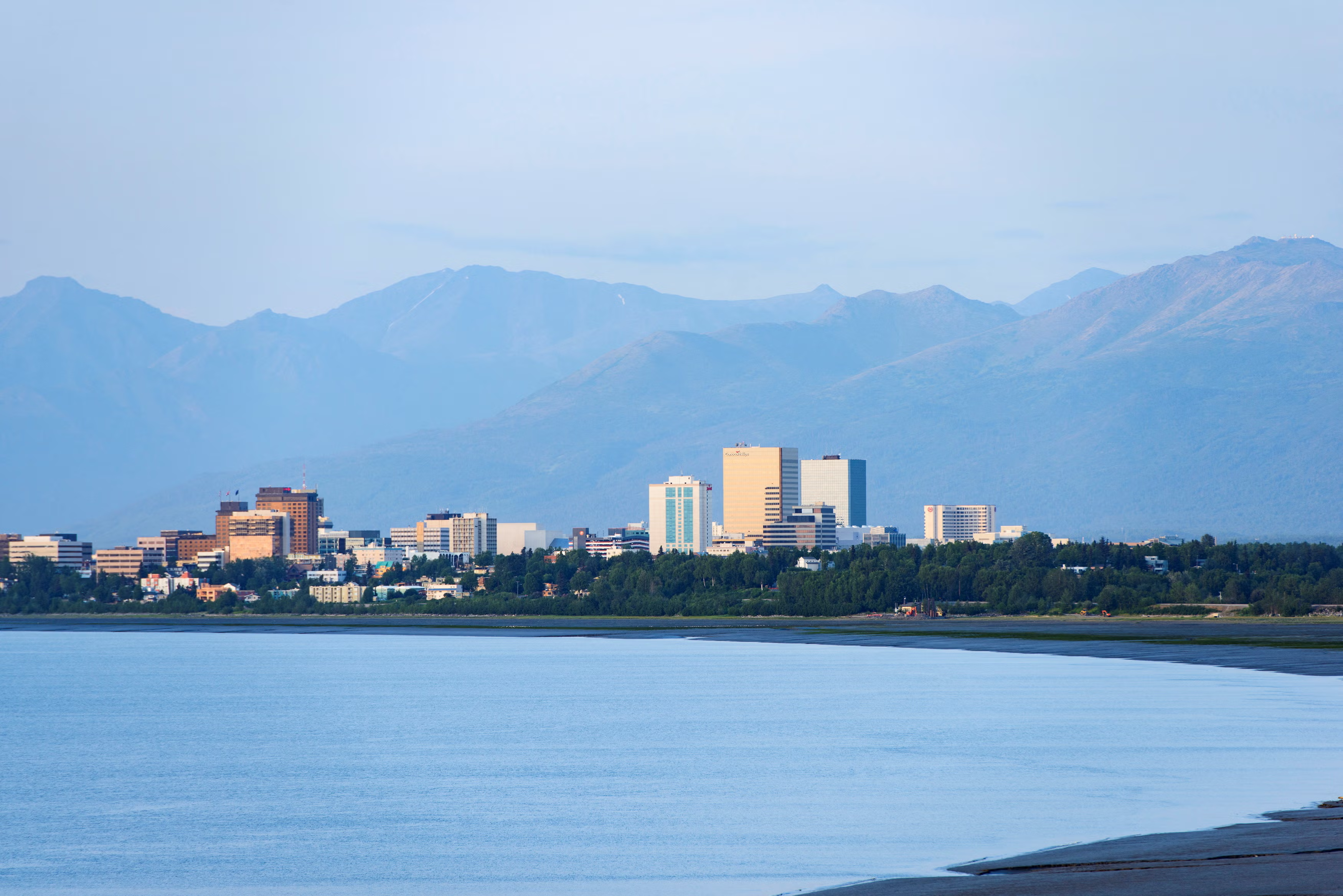 >
>
The USGS suggests a reasonable chance of aftershocks exceeding magnitude 5 in the coming days. These aftershocks can and do inflict further damage, potentially destabilizing already weakened structures. Smaller tremors, almost guaranteed according to projections, will keep residents on edge.
Earthquake preparedness is not a theoretical exercise in Alaska; it’s a way of life. Building codes often need to reflect the ever-present risk. Emergency response systems need constant refinement and resources. Public awareness campaigns are critical to educate residents about safety measures during and after an earthquake.
However, relying solely on reactive measures can be limiting. A more proactive approach is what’s needed. Consider, for instance, the potential of advanced early warning systems. Investment in research and technology, leveraging real-time data analysis, could provide crucial seconds or even minutes of warning.>
The economic considerations are also significant. Repairing damaged infrastructure, providing disaster relief, and mitigating the economic impact on businesses demand substantial resources. Furthermore, the psychological toll on affected communities cannot be overlooked. Access to mental health services is essential for those grappling with the trauma of experiencing an earthquake.
It’s worth noting that the frequency and intensity of seismic events can fluctuate over time. Whether this recent earthquake is part of a larger pattern remains to be observed. Yet, consistent monitoring, data collection, and analysis are paramount. A deep understanding of the region’s geological characteristics is a must.
The media portrayal of these events, though, often focuses on the immediate aftermath. It’s important to go beyond sensationalism and explore the underlying causes, potential consequences, and long-term implications. Journalists need to consult with seismologists, geologists, and other experts to provide accurate and contextualized reporting.
This challenge underscores the need for robust communication channels. Disseminating timely and accurate information to the public is critical for preparedness. It helps people avoid misinformaion, and ensures communities receive necessary resources. Authorities can utilize social media platforms, mobile apps, and traditional media outlets to reach diverse audiences.
In any case, Alaska’s seismic landscape necessitates a multifaceted approach. This approach should include proactive preparedness, innovative mitigation strategies, and comprehensive community support. Ignoring these elements is a decision that could have severe consequences.
The Alaskan experience can also inform other regions grappling with seismic risks. By sharing best practices, technological advancements, and lessons learned, a collaborative global effort can enhance earthquake preparedness worldwide. Seismology isn’t limited by borders.
Given these facts, it’s unwise to assume that “it won’t happen again.” The earth doesn’t operate on human timelines. Continuous vigilance, proactive planning, and community resilience are vital for mitigating the impact of future earthquakes in Alaska and beyond. Let’s translate observations into actionable strategies.


![[post_title]](https://samony.com.ng/wp-content/uploads/2025/12/Nvidia-boss-Jensen-Huang-steers-Trump-Congress-against-AI-chip-300x169.jpg?lm=69324AE7 "Nvidia’s AI Power Play: Did Jensen Just Sway US Policy?")
![[post_title]](https://samony.com.ng/wp-content/uploads/2025/12/Warriors-vs-76ers-live-online-score-stats-updates-300x169.jpg?lm=6932376A "Warriors Face Sixers Test of Depth Amid Curry’s Absence")
![[post_title]](https://samony.com.ng/wp-content/uploads/2025/12/1764896764_Hegseth-orders-new-strike-that-kills-4-on-alleged-drug-300x200.jpg?lm=69322FFF "U.S. Military Strikes: Escalation, Ethics, and Accountability")
![[post_title]](https://samony.com.ng/wp-content/uploads/2025/12/Nigeria-Approves-Fiscal-Plan-Proposing-N545trn-2026-Budget-300x169.jpg?lm=69323047 "Nigeria’s N54.5 Trillion Budget: Ambition vs. Reality")
![[post_title]](https://samony.com.ng/wp-content/uploads/2025/12/Groups-to-Tinubu-Disregard-lawmakers-call-for-Ribadus-sack-300x169.png?lm=69323086 "Ribadu’s Job on the Line? What Nigeria’s NSA Debate Really Means")




![[post_title]](https://samony.com.ng/wp-content/uploads/2025/12/Nvidia-boss-Jensen-Huang-steers-Trump-Congress-against-AI-chip-1024x576.jpg?lm=69324AE7 "Nvidia’s AI Power Play: Did Jensen Just Sway US Policy?")
