![[post_title]](https://samony.com.ng/wp-content/uploads/2025/11/1764263918_Tinubu-approves-membership-of-US-Nigeria-Working-Group.jpg?lm=692887F0)
US-Nigeria Security Collaboration: A Critical Look at Tinubu’s New Working Group
President Tinubu’s approval of the US-Nigeria Joint Working Group signals a fresh push to tackle Nigeria’s persistent security challenges with American assistance. The announcement follows recent high-level talks in Washington, D.C., suggesting a serious effort to move beyond rhetoric. But what does this really mean on the ground? How will this collaboration actually play out?
The composition of the Nigerian team is, perhaps unsurprisingly, a who’s-who of top government officials. National Security Advisor Ribadu leads the charge, flanked by the Ministers of Foreign Affairs, Defence, Interior, and Humanitarian Affairs, plus the Chief of Defence Staff, the heads of intelligence, and the Inspector General of Police. It’s a broad coalition, suggesting a comprehensive approach. Yet, large committees don’t always translate to swift action. Streamlined coordination is crucial to success. Will all these agencies be able to move in unison, or will bureaucratic inertia hinder progress?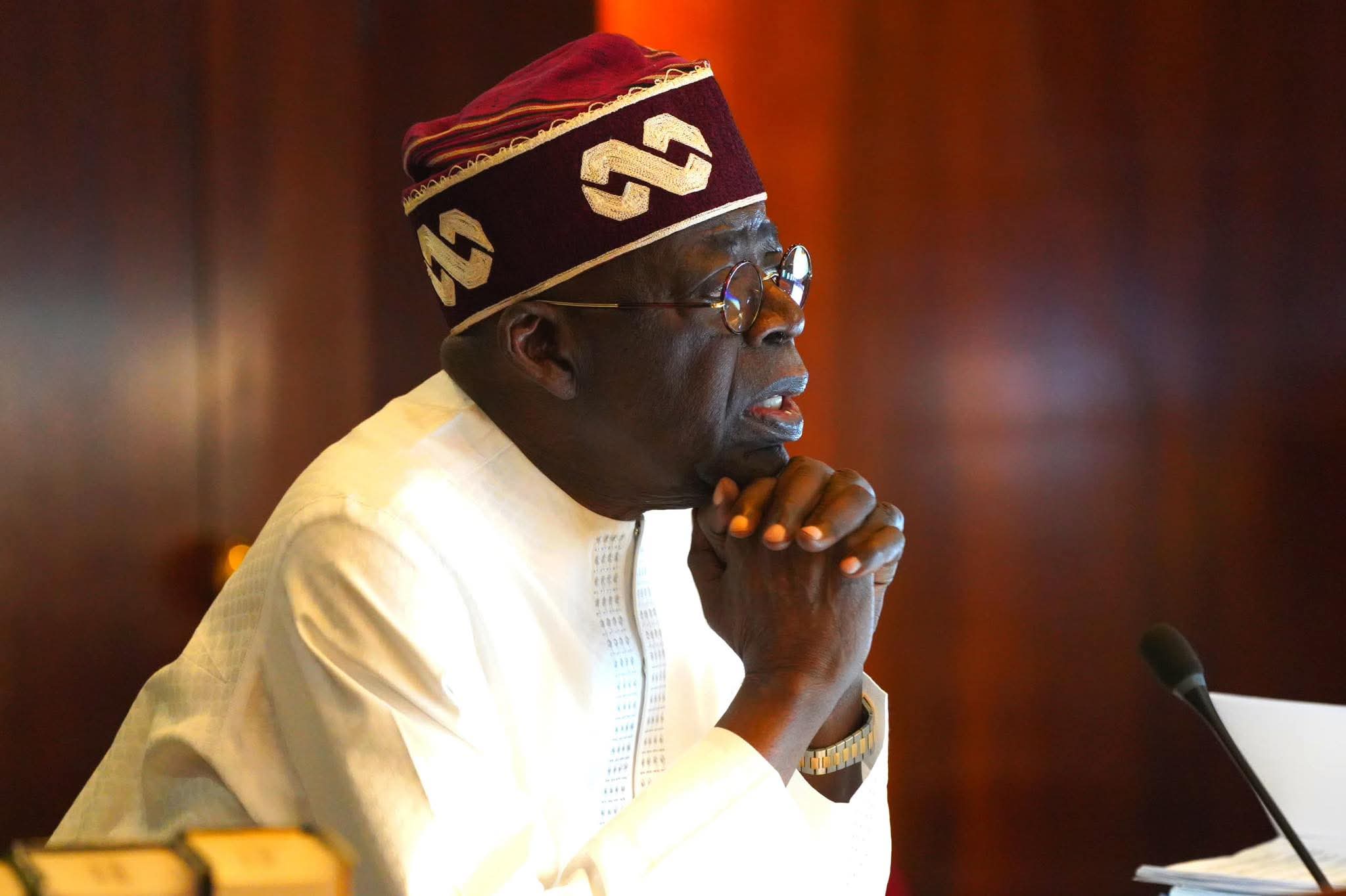 >
>
The stated aim – deepening collaboration to tackle security challenges – is broad. Nigeria grapples with Boko Haram insurgency in the North East, banditry and farmer-herder clashes in the North West and North Central, Biafran separatism in the South East, and oil theft in the Niger Delta. Each of these issues presents unique and complex dynamics. Any US assistance needs to be laser-focused and tailored to the specific context of each region.
The devil, as always, lies in the details. What specific agreements did the Nigerian delegation reach in Washington? Will the US provide military training, intelligence sharing, or technological support? Is there a commitment of financial aid? Public details are thin. This opacity raises concerns about transparency and accountability. Nigerians deserve to know the full scope of the agreement and how it will affect their lives.
It’s worth noting that this isn’t the first time the US and Nigeria have attempted such collaborations. Past initiatives have had mixed results. Sometimes, the problem wasn’t the intent, but the implementation. Differing priorities, bureaucratic bottlenecks, and a lack of local ownership frequently undermined the best-laid plans. The new working group must learn from these past mistakes.>
One potential hurdle is the differing perspectives on human rights. The US State Department has often expressed concerns about human rights abuses by Nigerian security forces. If the US provides training or equipment, it must ensure that it is not used to violate human rights. A failure on this front would not only be morally wrong but also counterproductive, potentially fueling resentment and undermining the legitimacy of the Nigerian government.
Another consideration is the potential for unintended consequences. Increased military presence or security operations could inadvertently displace communities or exacerbate existing tensions. Any security strategy must be carefully calibrated to avoid harming civilians. The Humanitarian Affairs Minister’s inclusion in the working group is encouraging, suggesting an awareness of this risk. Still, translating that awareness into effective action will be a major test.
The inclusion of Idayat Hassan from the Office of the National Security Advisor (ONSA) and Paul Alabi from the Nigerian Embassy in the US as the secretariat offers some hope for efficient coordination. They will likely be pivotal in ensuring that communication flows smoothly between the two countries and that the working group stays on track. But their success will depend on the level of support they receive from the senior officials on both sides.
President Tinubu has urged the members of the Joint Working Group to “work assiduously.” Such exhortations are commonplace. Yet, what truly matters is the commitment and capacity of the individuals involved. Do they have the expertise, the resources, and the political will to make a real difference? Are they willing to challenge the status quo and push for innovative solutions?
Given these facts, the Joint Working Group represents a significant opportunity, but also a considerable challenge. The potential benefits are clear: enhanced security, improved governance, and a stronger partnership between the US and Nigeria. The risks are equally apparent: bureaucratic gridlock, human rights abuses, and unintended consequences.
Only time will tell if this latest effort will succeed where others have faltered. The key will be transparency, accountability, and a relentless focus on the needs of the Nigerian people. We must look beyond the press releases and judge the working group by its actions, not its words. The stakes are simply too high to settle for anything less. My observation from watching similar situations develop is that consistent, clear metrics are needed to actually gauge the collaboration’s effectiveness. Otherwise, this ends up being another headline with little to show for it. The need for measurable outcomes and constant evaluation is paramount.

![[post_title]](https://samony.com.ng/wp-content/uploads/2025/12/1764998564_Ukraine-Russia-war-latest-Putin-risks-fresh-row-with-Trump-after-300x200.jpeg?lm=6933BDA8 "Ukraine War Reshapes Global Order: A Complex Web of Power, Diplomacy, and Risk")
![[post_title]](https://samony.com.ng/wp-content/uploads/2025/12/High-Risk-for-Frostbite-Heart-Strain-and-Chronic-Conditions-300x169.jpg?lm=6933A071 "Polar Vortex Here? What You MUST Know to Stay Safe")

![[post_title]](https://samony.com.ng/wp-content/uploads/2025/12/Full-List-Of-Lawmakers-Who-Refused-To-Dump-PDP-For.jpg?lm=6933A187 "Rivers State: Defection Dynamics and Political Fortunes")

![[post_title]](https://samony.com.ng/wp-content/uploads/2025/12/Dangote-Speaks-On-Reducing-Price-Of-Petrol-After-Meeting-Tinubu.webp.webp "Dangote Speaks On Reducing Price Of Petrol After Meeting Tinubu")
![[post_title]](https://samony.com.ng/wp-content/uploads/2025/12/1764998564_Ukraine-Russia-war-latest-Putin-risks-fresh-row-with-Trump-after-1024x683.jpeg?lm=6933BDAE "Ukraine War Reshapes Global Order: A Complex Web of Power, Diplomacy, and Risk")