

Abia Shippers vs. SON: A Familiar Tune of Regulatory Disputes?
The Abia State Shippers Association has taken the Standard Organisation of Nigeria (SON) to the Senate, alleging an “illegal levy” of N2 million per warehouse. They claim SON is targeting N4 billion from Aba warehouse owners, a move they say doesn’t affect other Shippers Association chapters nationwide. Senator Abaribe presented their petition, and the Senate Committee on Ethics will investigate.
Now, this isn’t a new melody. Disputes between businesses and regulatory bodies are, let’s say, a recurring theme in Nigeria. On the one hand, organizations like SON are vital. They’re supposed to ensure quality and safety, protecting both consumers and the economy. Without standards, anything goes, and that’s a race to the bottom for everyone. >
>
Yet, the way these regulations get implemented? That’s where things often get thorny. You often hear businesses complain about arbitrary levies, inconsistent enforcement, and a general lack of transparency. It creates an environment of uncertainty, one where compliance feels more like navigating a minefield than adhering to clear guidelines.
I have seen several companies struggle with unclear regulatory requests, with compliance officers spending more time and money than expected. The question this time around is, what motivated SON to impose this levy? Was it a genuine effort to improve standards in Aba’s warehouses, or something else? The Shippers Association’s claim that this levy is unique to Aba raises a significant red flag. Why Aba and not, say, Kano or Lagos? Are the warehouses there perceived to be particularly problematic? Or is there another factor at play?
It is important to look into SON’s perspective. They’ll likely argue the levy is necessary to fund their operations and ensure compliance with safety standards. They might even point to specific deficiencies in Aba’s warehouses that justify the targeted action. Maybe they’ll claim other regions have already implemented similar measures through different channels. We will have to wait to see.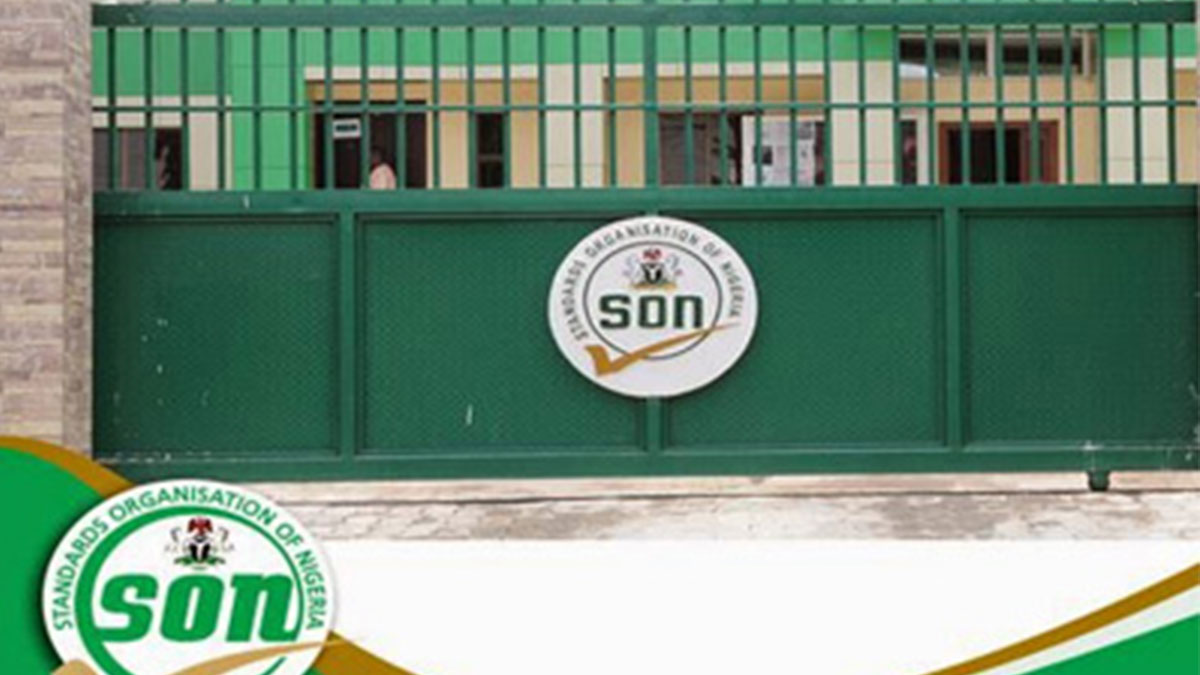 >
>
The Senate investigation needs to dig deep. It shouldn’t just focus on the legality of the levy but also on the process that led to its imposition. Did SON consult with the Shippers Association beforehand? Was there a proper needs assessment? What are the specific standards the levy is meant to enforce?
This case also shines a light on the broader issue of ease of doing business in Nigeria. Excessive regulation, even with good intentions, can stifle economic growth. It adds to the cost of doing business, making it harder for companies to compete and create jobs. It can even incentivize businesses to operate informally, outside the regulatory net altogether.
This challenge with regulatory implementation doesn’t solely lie with government agencies. Businesses also have a responsibility to engage constructively with regulators, to voice their concerns, and to work towards solutions that benefit everyone. Too often, the relationship becomes adversarial, with both sides digging in their heels.
The outcome of this Senate investigation could have far-reaching implications. It could set a precedent for how regulatory bodies engage with businesses in the future. It could also send a message about the government’s commitment to creating a more business-friendly environment.
It’s worth noting, though, that even the most thorough investigation won’t solve all the underlying issues. What’s really needed is a broader reform of the regulatory landscape. This includes streamlining processes, increasing transparency, and fostering a culture of collaboration between regulators and the businesses they regulate.
Ultimately, a healthy economy needs both effective regulation and a thriving business sector. Achieving that balance requires a delicate touch, one that prioritizes clarity, fairness, and a shared commitment to the common good. Let’s see if this investigation moves us any closer to that ideal.

![[post_title]](https://samony.com.ng/wp-content/uploads/2025/12/2026-World-Cup-draw-300x140.png?lm=69334EB1 "2026 World Cup: Forget the Hype, What Does the Draw Really Mean?")


![[post_title]](https://samony.com.ng/wp-content/uploads/2025/12/1764969684_What-Netflixs-54bn-takeover-of-Warner-Bros-means-for-Hollywood-300x158.jpg?lm=69334CD7 "Streaming’s New Colossus: Integrating Legacy, Navigating Monopoly, and Preserving Creative DNA")

![[post_title]](https://samony.com.ng/wp-content/uploads/2025/12/An-diesem-beliebten-Mallorca-Strand-sind-neue-Benimmregeln-geplant-1024x538.jpg?lm=6933533D "Sóller’s Beach Ban: Paradise Lost or Sanity Restored? Mallorca’s Urgent Debate")
![[post_title]](https://samony.com.ng/wp-content/uploads/2025/12/Mother-drinks-annoiting-oil-rubs-it-on-her-forehead-as-1024x535.jpg?lm=693353AF "Viral TikTok: How Faith Endures in a Tech-Driven World")
![[post_title]](https://samony.com.ng/wp-content/uploads/2025/12/2026-World-Cup-draw-1024x477.png?lm=69334EB2 "2026 World Cup: Forget the Hype, What Does the Draw Really Mean?")
