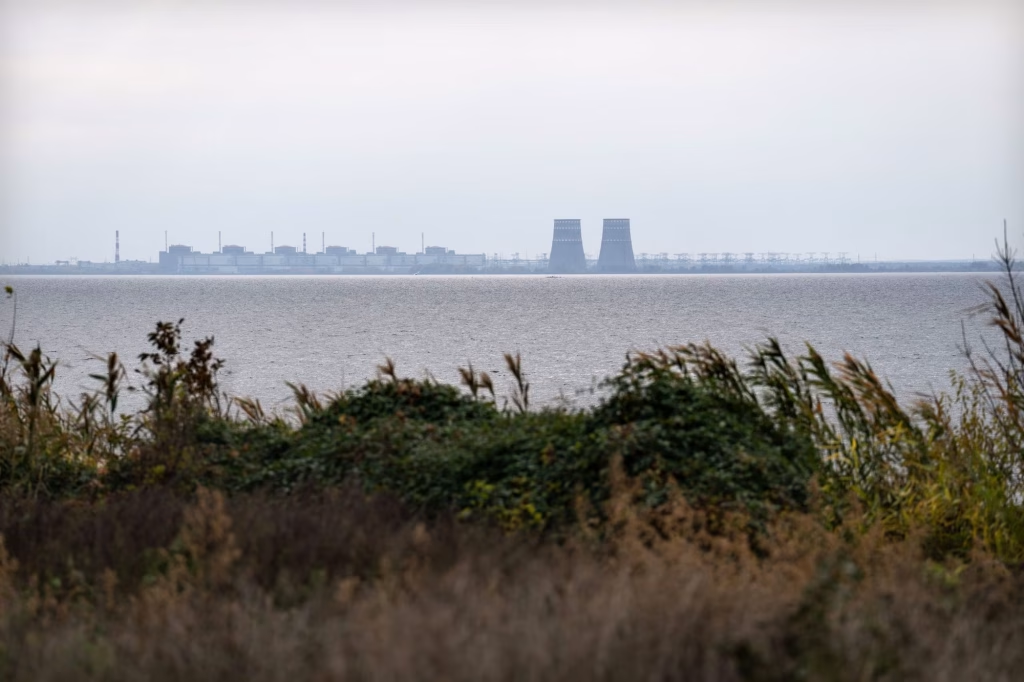
![[post_title]](https://samony.com.ng/wp-content/uploads/2025/11/France-to-reintroduce-military-service-amid-Russian-threat-1024x683.jpeg?lm=692859F1)
France Considers Military Service Boost Amidst Russia Concerns: A Realistic Assessment
France, like several other European nations, is re-evaluating its defense posture. President Macron’s upcoming announcement regarding national military service comes at a crucial moment, given the shifting geopolitical landscape. Specifically, Russia’s actions in Ukraine have caused widespread uneasiness. This isn’t simply about knee-jerk reactions; it’s about assessing vulnerabilities and developing strategies for the future.
The plan builds on existing efforts to offer voluntary military service to French youth. It explicitly avoids a return to full conscription, a system France discarded decades ago. Macron stresses that France must brace itself for emerging threats. He notes Russia’s demonstrated ambition to expand its sphere of influence.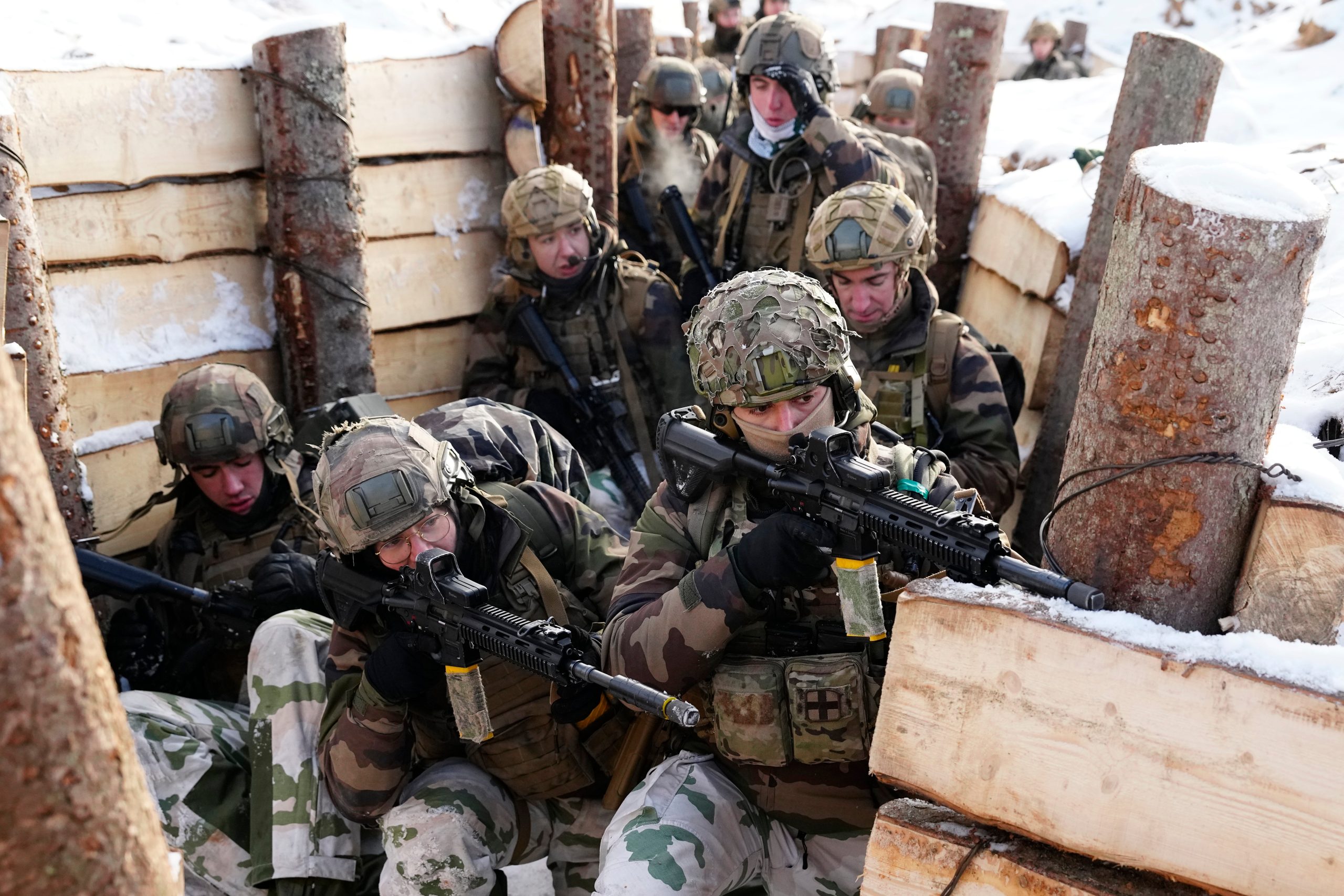 >
>
Macron’s government appears committed to backing these pronouncements with hard cash, pledging billions in extra military spending over the next few years. The goal is to double the annual defense budget by 2027. This will significantly bolster France’s already considerable military strength. They have around 200,000 active personnel and a sizable reserve force. Furthermore, there are plans to substantially increase the number of reservists.
France’s army chief recently spoke frankly about the potential for conflict. He suggested citizens may need to prepare for sacrifices. His warning sparked political debate but also underscored the seriousness of the situation. Russia, he argued, seems to be gearing up for a confrontation with NATO countries by 2030.
It’s worth noting that Macron has directly addressed concerns about sending French youth to fight in Ukraine. He states unequivocally that the proposed military service is not about that.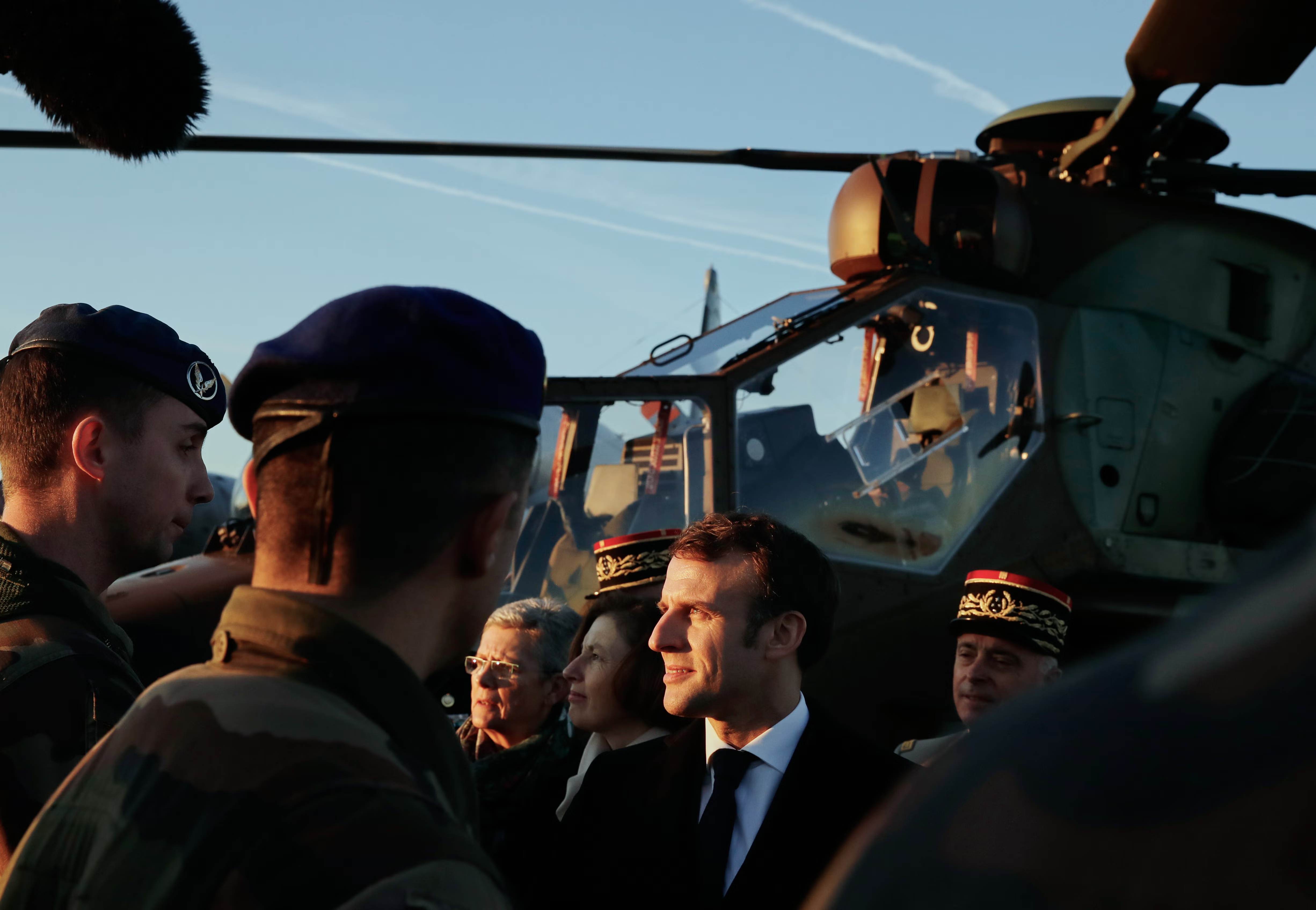 >
>
France certainly isn’t alone in this increased focus on defense. Germany is actively working to recruit more soldiers. Belgium is reaching out to young citizens to encourage military service. Poland is building a large reserve force through voluntary training programs. All these actions highlight a broader trend across Europe.
A number of EU countries already maintain mandatory military service. These include Austria, Cyprus, and Finland. Even non-EU member Norway has conscription for both men and women. The duration of service varies considerably across these nations.
This renewed focus on military preparedness raises a few questions. Is this simply a necessary response to a volatile world, or could it be seen as a contributing factor to further instability? Does increasing military spending genuinely enhance security, or does it trigger an arms race? The answers, of course, are complex and depend on a myriad of factors.
However, it’s not merely about military might. Building societal resilience is key. A well-trained and prepared citizenry can serve as a significant deterrent. Plus, military service can instill discipline, teamwork, and a sense of civic duty. These are valuable assets regardless of the geopolitical climate.
Given these facts, understanding the nuances of Macron’s initiative becomes critical. It’s not simply a return to the past. Instead, it’s a modern approach to defense. It combines professional forces with a trained reserve and an emphasis on national unity.
Yet, we should examine the long-term implications. How will this affect France’s relationship with other European countries? What will be the impact on the nation’s economy and social fabric? These are essential considerations as the plan moves forward.
Still, it’s easy to criticize or dismiss these developments. What is harder is to propose realistic alternatives. In a world that seems increasingly unpredictable, nations have a duty to protect their citizens and safeguard their interests. Strengthening defense capabilities, however one chooses to do it, is a key part of that.
From my experience, I know defense policy is never black and white. There are trade-offs, unintended consequences, and a constant need for adaptation. Macron’s military service plan is undoubtedly a bold move. Now we must wait to see how it unfolds and what impact it has on France and the wider world.

![[post_title]](https://samony.com.ng/wp-content/uploads/2025/12/1765027752_Holly-Hagan-shares-harrowing-details-of-sister-Darcis-final-hospital-300x158.jpg?lm=69342FAB "Unseen Risks: Navigating Accidental Overdoses with Clarity and Compassion")
![[post_title]](https://samony.com.ng/wp-content/uploads/2025/12/1765027162_Thousands-of-wireless-earbuds-recalled-by-Health-Canada-due-to-300x169.jpg?lm=69342D5E "Earbud Recalls: A Quality Control Crisis Unfolding in Real Time")
![[post_title]](https://samony.com.ng/wp-content/uploads/2025/12/Teacher-Allegedly-Caught-Subtly-Thrusting-with-Girl-on-Lap-Brother-300x200.jpg?lm=69341A06 "Educator Brothers Arrested: School Safety Under Scrutiny")
![[post_title]](https://samony.com.ng/wp-content/uploads/2025/12/1765022297_UK-based-lady-loses-job-after-complimenting-colleague-shares-what-happened-300x150.jpg?lm=69341A5C "Did This Woman Get Fired Over a Compliment? The Workplace Culture Clash You Need to See")

![[post_title]](https://samony.com.ng/wp-content/uploads/2025/12/Championship-scores-LIVE-Updates-from-11-games-including-Derby-v-1024x576.jpg?lm=69343666 "Charlton-Portsmouth Match Abandoned: Fan’s Medical Emergency Highlights Football’s Human Side")
![[post_title]](https://samony.com.ng/wp-content/uploads/2025/12/After-9-years-of-dating-lady-kneels-down-to-collect-1024x535.jpg?lm=693436A4 "Decoding Viral Love: Unpacking Modern Relationship Anxieties and Gendered Expectations")