

Analyzing the Geopolitical Landscape: Goodluck Jonathan, Guinea-Bissau, and the Recurring Coup Cycle
The recent situation in Guinea-Bissau, where former Nigerian President Goodluck Jonathan and other election observers found themselves amidst a military coup, throws a harsh light on the persistent instability plaguing West Africa. The news outlets are calling it a “breaking” situation, something that requires immediate attention. I’ve seen this pattern unfold before, and my initial reaction isn’t shock, but weary recognition. The narrative often goes something like this: fragile democracy, simmering discontent, military intervention, and then… well, that’s the question, isn’t it? What comes next?
Nigeria’s moves to ensure Jonathan’s safe return are, of course, expected. A former president stranded in a coup zone presents a significant diplomatic and security concern. Yet, this event is more than just a rescue mission. It offers a window into deeper regional challenges.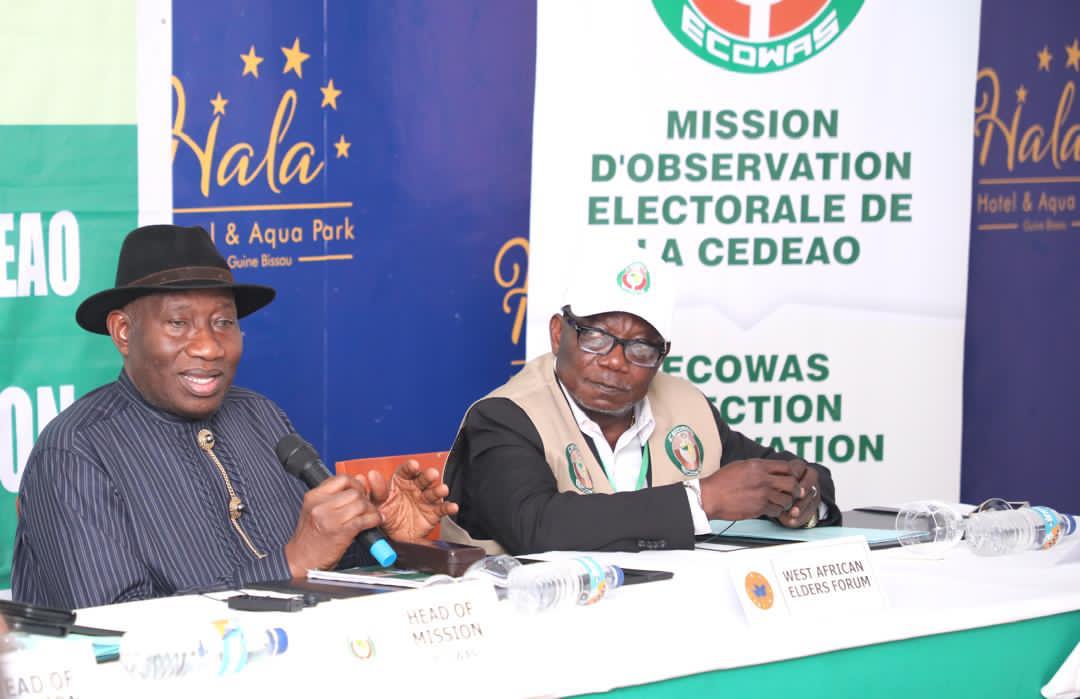 >
>
Consider the frequency of coups in the region. Is this an isolated incident, or a symptom of something much larger? Economic hardship, perceived corruption, and a lack of faith in electoral processes contribute to an environment where military intervention seems a viable solution to some. The allure of quick fixes is appealing when democratic institutions struggle to deliver tangible improvements in people’s lives.
It’s worth pausing on that last point. We often talk about democratic ideals, but do those ideals translate into concrete benefits for the average citizen? When governments fail to address basic needs, the ground becomes fertile for those who promise change, regardless of the means.
The international response to these coups is also a critical piece of the puzzle. Condemnations are swiftly issued, sanctions threatened. But do these measures truly deter future interventions, or do they simply punish already struggling populations? There’s a certain performative aspect to these responses, a sense that we’re going through the motions without addressing the root causes. >
>
Beyond the immediate crisis, the situation raises questions about the effectiveness of election observation missions. Were they truly able to provide an accurate assessment of the political climate in Guinea-Bissau? Did they anticipate the potential for unrest? It’s easy to point fingers in hindsight, but perhaps a reassessment of the methodologies and objectives of these missions is warranted.
I’ve participated in similar assessments in the past, and the pressure to deliver a positive report, to showcase progress, can be immense. There’s a risk of overlooking underlying tensions, of focusing on surface-level indicators rather than the deeper currents of discontent.
The fact that Jonathan, a respected figure in African politics, was present in Guinea-Bissau is significant. His involvement underscores the importance of regional actors in promoting stability. He has worked to ensure democratic consolidation in some of the continent’s most troubled spots. His presence there signals a commitment to peaceful transitions of power.
Still, his presence couldn’t prevent the coup. This indicates the limits of even the most well-intentioned efforts when faced with systemic challenges. It suggests the need for a more comprehensive approach, one that addresses the underlying socio-economic issues that fuel instability.
It’s also essential to examine the role of external actors in the region. Foreign powers often have vested interests in African countries, whether it’s access to resources, strategic partnerships, or ideological influence. These interests can sometimes exacerbate existing tensions, creating opportunities for destabilizing forces.
Consider the flow of arms and money into the region. Who are the suppliers? Who benefits from the instability? These questions often go unanswered, but they are crucial to understanding the dynamics at play.
Given these facts, what can be done to break the cycle of coups and instability? There is no easy answer, naturally. But a few things seem clear:
Focus on good governance: Strengthening democratic institutions, promoting transparency, and tackling corruption are essential for building trust and legitimacy. Address socio-economic inequalities: Investing in education, healthcare, and economic development can help create opportunities and reduce the appeal of extremist ideologies. Promote regional cooperation: African countries need to work together to address common challenges, share best practices, and support each other in times of crisis. Re-evaluate international partnerships: Foreign powers should prioritize long-term stability over short-term gains, and work to support African-led solutions to African problems.
This challenge is daunting, no doubt. It requires a sustained commitment from both African leaders and the international community. But the alternative – a continuation of the cycle of coups, instability, and human suffering – is simply unacceptable. The situation in Guinea-Bissau serves as a stark reminder of the work that remains to be done. It’s a reminder that peace and stability are not simply abstract ideals, but essential conditions for human progress.
I have been following the developments in African politics, and if this coup has taught me anything, it’s the fact that regional peacekeepers must have the resources and authority to enforce democratic norms, while also having term limits and a clear exit strategy. I hope this situation can be a learning opportunity for all.

![[post_title]](https://samony.com.ng/wp-content/uploads/2025/12/Setting-the-Record-Straight-On-The-Defamation-Case-Involving-Senator-300x150.jpg?lm=69348567 "Defamation in the Digital Age: Evidence Trumps Agitation")
![[post_title]](https://samony.com.ng/wp-content/uploads/2025/12/Allegations-baseless-entirely-untrue-Ex-Army-chief-Yahaya-on-links-300x200.jpg?lm=69348583 "Terrorism Financing Allegations: Separating Vendetta from Verifiable Facts")

![[post_title]](https://samony.com.ng/wp-content/uploads/2025/12/1765049341_How-pregnancy-is-being-criminalised-in-post-Roe-America-300x169.jpeg?lm=69348401 "Pregnancy Criminalized: America’s Post-Roe Reality")

![[post_title]](https://samony.com.ng/wp-content/uploads/2025/12/1765049531_George-Clarke-to-lose-place-in-Strictly-semi-final-as-worrying-300x158.jpg?lm=693484BF "Is George Clarke Doomed on Strictly? This TikToker’s “Jinx” Has Everyone Freaking Out")


![[post_title]](https://samony.com.ng/wp-content/uploads/2025/12/1765051311_Im-worried-Lady-releases-chat-with-Harrison-Gwamnishu-days-1024x535.jpg?lm=69348BB2 "Gwamnishu’s Arrest: Truth and Allegations")
![[post_title]](https://samony.com.ng/wp-content/uploads/2025/12/Setting-the-Record-Straight-On-The-Defamation-Case-Involving-Senator.jpg?lm=69348565 "Defamation in the Digital Age: Evidence Trumps Agitation")
![[post_title]](https://samony.com.ng/wp-content/uploads/2025/12/Allegations-baseless-entirely-untrue-Ex-Army-chief-Yahaya-on-links.jpg?lm=69348581 "Terrorism Financing Allegations: Separating Vendetta from Verifiable Facts")
