

Analyzing Nigerian Defence Academy (NDA) Admissions: More Than Just Headlines
The Nigerian Defence Academy (NDA) recently announced the opening of its application portal for the 78th Regular Course. The official announcement points to a late November 2025 opening and a late April 2026 closure. It’s a familiar cycle. We see these calls for applications roll out each year, sparking interest and, predictably, a rush from aspiring candidates.
News outlets broadcast the information, typically focusing on the “how-to-apply” aspect. This fulfills an immediate search need. Yet, a deeper exploration of these admissions reveals underlying trends and challenges within the Nigerian military education system.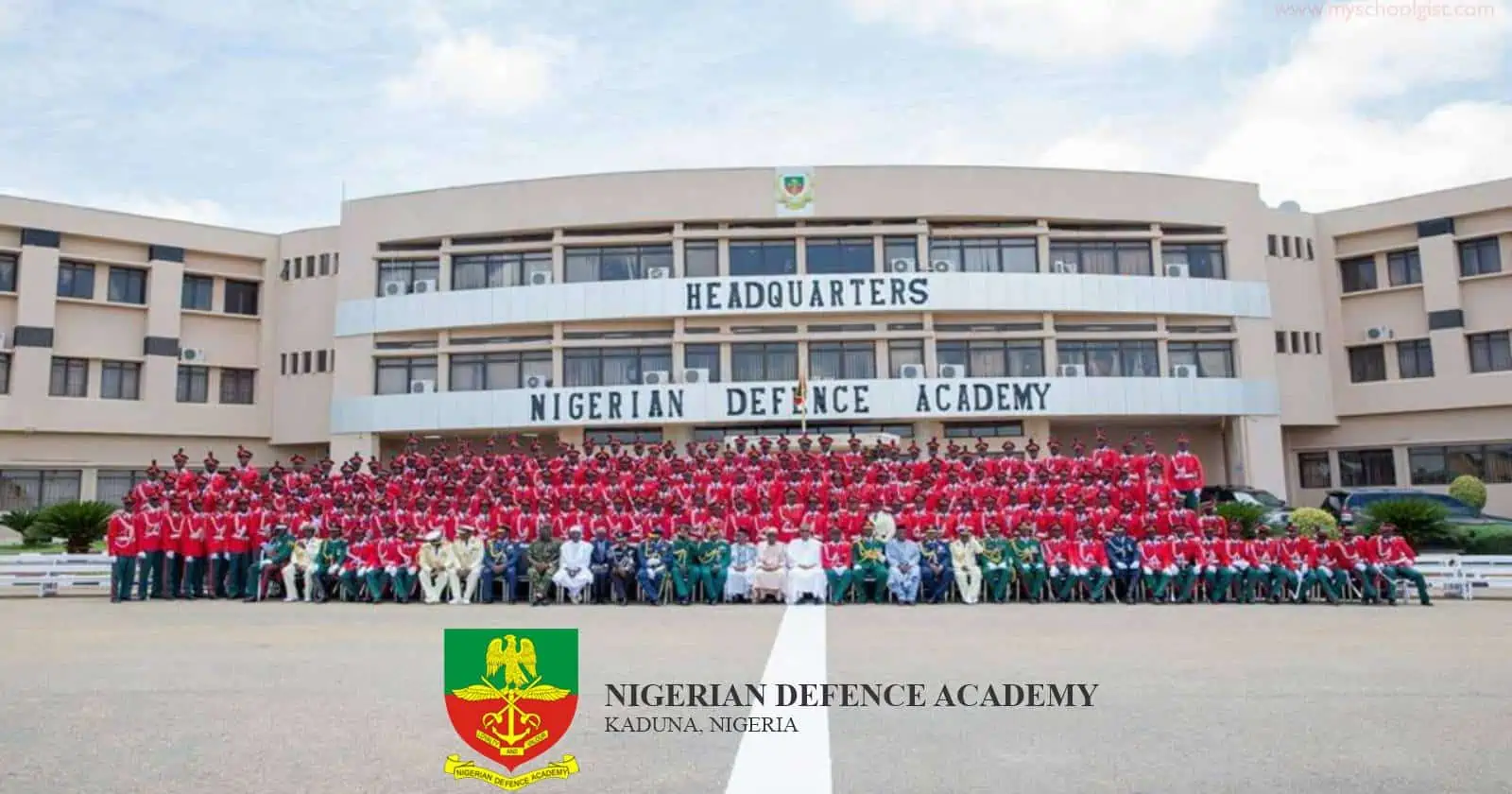 >
>
One might ask: what’s truly new this year? Beyond the course number increment, are there significant shifts in the admission criteria, the training curriculum, or the overall strategic direction of the NDA? These are crucial questions, and often overlooked in the initial flurry of application announcements.
I’ve seen how keenly young Nigerians pursue opportunities in the armed forces. The promise of structure, a career path, and contributing to national security is a powerful draw. Yet, the NDA represents a particularly competitive route. The selection process, designed to identify the most capable and dedicated individuals, is rigorous.
The persistent security challenges facing Nigeria add another layer of complexity. Does the NDA curriculum adequately prepare cadets for the realities of modern warfare and internal security operations? The nature of conflict evolves constantly. So, continuous adaptation in training is paramount. I’ve heard whispers and concerns about whether the resources and training are truly aligned with the evolving threats on the ground. >
>
The sheer volume of applications each year underscores the need for transparency and fairness in the selection process. Ensuring a merit-based system, free from biases and undue influence, is essential for maintaining the integrity of the NDA and the broader military. Reports of alleged irregularities in past admissions have fueled public skepticism. Upholding a reputation for fairness is paramount in maintaining public trust.
Beyond individual aspirations, the NDA admissions process speaks to broader manpower planning within the Nigerian Armed Forces. The number of cadets admitted each year reflects projected needs across various military branches. Are these projections accurately aligned with the evolving security landscape and the country’s defense priorities?
It’s worth considering the broader context of military education in Nigeria. The NDA is just one piece of the puzzle. Other institutions, like the Nigerian Army College of Logistics (NACOL) and the Armed Forces Command and Staff College (AFCSC), play critical roles in developing military leaders. How well do these institutions coordinate to create a cohesive and effective training pipeline?
Examining the demographics of admitted cadets offers valuable insights. Does the NDA represent the diversity of Nigeria? Are efforts being made to ensure representation from all regions and ethnic groups? A diverse military leadership is crucial for fostering national unity and ensuring effective command across a multi-ethnic force.
While headlines highlight the “how-to” aspects of NDA applications, a more critical lens reveals a complex interplay of factors: evolving security threats, the need for continuous curriculum adaptation, the importance of transparent and fair selection processes, and the imperative of aligning military education with national defense priorities. This presents a challenge.
These considerations are not just academic exercises. They impact the future of Nigeria’s security and the effectiveness of its armed forces. Monitoring the trends in NDA admissions, analyzing the curriculum updates, and evaluating the career progression of graduates provides valuable insights into the health and readiness of the Nigerian military.
It is important to state that the NDA is a solid institution, but, like any organization, benefits from continuous self-assessment and external critique. Ultimately, strengthening the NDA strengthens Nigeria’s ability to defend itself and contribute to regional stability.

![[post_title]](https://samony.com.ng/wp-content/uploads/2025/12/Nigeria-Approves-Fiscal-Plan-Proposing-N545trn-2026-Budget-300x169.jpg?lm=69323047 "Nigeria’s N54.5 Trillion Budget: Ambition vs. Reality")
![[post_title]](https://samony.com.ng/wp-content/uploads/2025/12/Groups-to-Tinubu-Disregard-lawmakers-call-for-Ribadus-sack-300x169.png?lm=69323086 "Ribadu’s Job on the Line? What Nigeria’s NSA Debate Really Means")

![[post_title]](https://samony.com.ng/wp-content/uploads/2025/12/President-Tinubu-Swears-In-Christopher-Danjuma-As-Minister-of-Defence-225x300.jpg?lm=69323184 "From Barracks to Boardroom: Can Danjuma Bridge Nigeria’s Security Divide?")
![[post_title]](https://samony.com.ng/wp-content/uploads/2025/12/1764897203_Manchester-United-fans-boo-as-West-Ham-steal-away-vital-300x209.jpeg?lm=693231B6 "Manchester United’s Season of Frustration")
![[post_title]](https://samony.com.ng/wp-content/uploads/2025/12/Apple-announces-even-more-major-executive-turnover-300x156.jpg?lm=69322D9B "Apple’s Big Leadership Shakeup: What’s Really Going On With Environment and Policy?")

![[post_title]](https://samony.com.ng/wp-content/uploads/2025/12/Warriors-vs-76ers-live-online-score-stats-updates-1024x576.jpg?lm=6932376D "Warriors Face Sixers Test of Depth Amid Curry’s Absence")
![[post_title]](https://samony.com.ng/wp-content/uploads/2025/12/1764896764_Hegseth-orders-new-strike-that-kills-4-on-alleged-drug-1024x683.jpg?lm=69323002 "U.S. Military Strikes: Escalation, Ethics, and Accountability")
![[post_title]](https://samony.com.ng/wp-content/uploads/2025/12/Nigeria-Approves-Fiscal-Plan-Proposing-N545trn-2026-Budget-1024x575.jpg?lm=69323047 "Nigeria’s N54.5 Trillion Budget: Ambition vs. Reality")
![[post_title]](https://samony.com.ng/wp-content/uploads/2025/12/Groups-to-Tinubu-Disregard-lawmakers-call-for-Ribadus-sack-1024x576.png?lm=69323086 "Ribadu’s Job on the Line? What Nigeria’s NSA Debate Really Means")
