Nigeria’s Masters Athletics Triumph: A Critical Look Beyond the Gold
Nigeria’s recent performance at the African Masters Athletics Championships in Tunis – 18 gold medals, a second-place finish overall – certainly catches the eye. But beneath the surface of this athletic success story lie several industry-relevant dynamics worth examining. I’ve seen similar patterns play out before, and the nuances are often more telling than the headlines.
The team’s achievement is undeniably impressive, especially considering Nigeria’s absence from international Masters events since 2019. Only nine athletes represented the country. This makes the medal haul even more remarkable, showcasing skill, determination, and a depth of talent within the Nigerian Masters athletics community. Nigeria demonstrated dominance in both track and field events, including standout performances from Christian Aiyegbeni (M45) and Dr. Safiya Yahaya-Kongoila (W45). The emotional high point of the competition came in the women’s 4x100m relay, where the team secured gold. >
>
Yet, this victory also shines a light on some familiar challenges within the Nigerian sports landscape. Consider this: the Secretary-General of Nigeria Athletics Masters, Dr. Safiya Yahaya-Kongoila, pointedly mentioned the team currently receives no government funding. Zero. That’s a situation that demands some real attention. It begs the question: How much more could they achieve with dedicated support?
It’s worth noting the presence of non-scoring countries like Spain, Germany, and Japan at the event. Their participation raises the competition level, no doubt. Still, it also speaks volumes about the differing levels of investment and infrastructure these athletes enjoy back home. One wonders how many potential Nigerian athletes are unable to compete on the international stage due to lack of resources.
This win highlights a vital segment: masters athletics. It’s a growing area globally, as populations age and people remain active later in life. The market for specialized equipment, training programs, and events catered to older athletes is expanding. For athletic brands and sponsors, this offers a significant, often overlooked, opportunity for business development.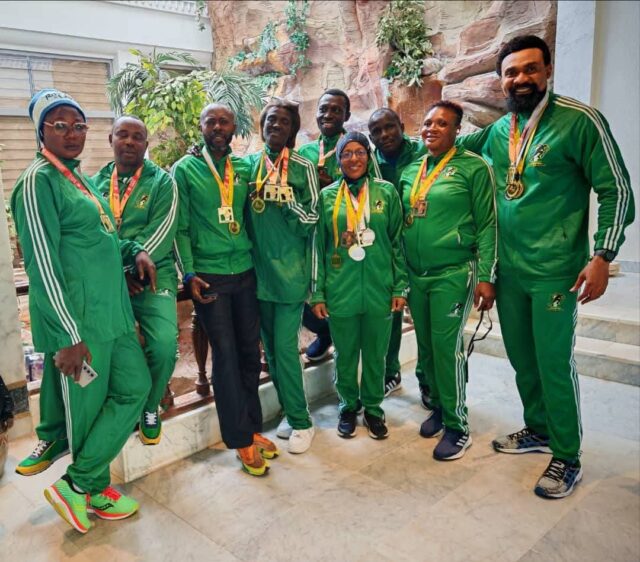 >
>
That said, Nigeria’s success in Tunis raises issues about sports funding. The reliance on individual resilience and passion, rather than structured government support, isn’t a sustainable model. While celebrating these athletes, we must push for investment in grassroots development, training facilities, and athlete welfare.
Consider the bigger picture. Other African nations are investing heavily in sports as a tool for national pride and economic development. Nigeria risks being left behind if it doesn’t prioritize sports funding. These championships provide inspiration for future generations, they require more than just celebratory press releases.
The upcoming 2026 World Masters Athletics Championships in Daegu, Korea, presents another opportunity for Nigeria to shine. Sustaining this momentum, however, needs more than just the athletes’ dedication. A strategic plan involving government, sporting bodies, and corporate sponsors is essential. Think about long-term goals, talent identification, and creating a supportive environment.
It’s also essential to look at transparency and accountability within sports administration. Are funds allocated effectively? Are athletes getting the support they need? These questions need honest answers. Only then can Nigeria build a truly successful and sustainable sports program.
In any case, the Tunis victory serves as a potent reminder of Nigerian athletic potential. Still, it also serves as a call to action. The nation needs to move beyond sporadic moments of glory and build a system where talent is nurtured, supported, and empowered to reach its full potential. This success story shouldn’t just be a fleeting headline; it needs to be a catalyst for change. The potential for growth in Nigerian athletics, especially within the Masters division, is clear, but unlocking it requires strategic investment and a long-term commitment to building a world-class system.

![[post_title]](https://samony.com.ng/wp-content/uploads/2025/12/1764940473_Meghan-McCain-skewers-Tucker-Carlson-after-his-guests-bizarre-fat-300x200.jpeg?lm=6932DABD "Meghan McCain skewers Tucker Carlson after his guest’s bizarre fat shaming comments during Milo interview")
![[post_title]](https://samony.com.ng/wp-content/uploads/2025/12/Galatasaray-seek-to-get-back-in-groove-as-unbeaten-Samsunspor-300x169.jpg?lm=6932C54B "Galatasaray and Samsunspor Clash: Süper Lig Showdown")
![[post_title]](https://samony.com.ng/wp-content/uploads/2025/12/1764926114_Im-A-Celeb-reveals-major-rule-change-for-campmates-just-300x158.jpg?lm=6932A2A6 "Jungle Signals: Decoding Reality TV’s Evolution Through “I’m A Celeb”")

![[post_title]](https://samony.com.ng/wp-content/uploads/2025/12/1764942368_I-burst-cry-Doctor-cries-out-over-tax-deduction-1024x535.jpg?lm=6932E223 "Nigeria’s 2026 Tax Reforms: A Bitter Pill for Some?")
![[post_title]](https://samony.com.ng/wp-content/uploads/2025/12/Arne-Slot-Backs-Salah-After-Surprise-Liverpool-Bench-Role.jpg?lm=6932DB7F "Slot’s Liverpool: Balancing Data and Star Power")
![[post_title]](https://samony.com.ng/wp-content/uploads/2025/12/1764940473_Meghan-McCain-skewers-Tucker-Carlson-after-his-guests-bizarre-fat-1024x683.jpeg?lm=6932DAC1 "Meghan McCain skewers Tucker Carlson after his guest’s bizarre fat shaming comments during Milo interview")