

![[post_title]](https://samony.com.ng/wp-content/uploads/2025/11/1764211348_Trump-team-cancels-funding-for-World-AIDS-Day-commemorations-after-1024x683.jpg?lm=6927BA99)
Analyzing the Shift: US Policy on World AIDS Day – A Critical Perspective
News outlets report a stark change: the U.S. State Department appears poised to break with tradition and cease public commemorations of World AIDS Day. For decades, administrations, regardless of political leaning, marked December 1st to raise awareness and remember those lost. Now, it seems, that might end.
This potential pivot raises a few immediate questions. Is this simply a shift in communications strategy, or a sign of something deeper? Is this move away from public messaging intended to be a cost-saving measure? It could be, but what message does this send to the global community and those affected by HIV/AIDS?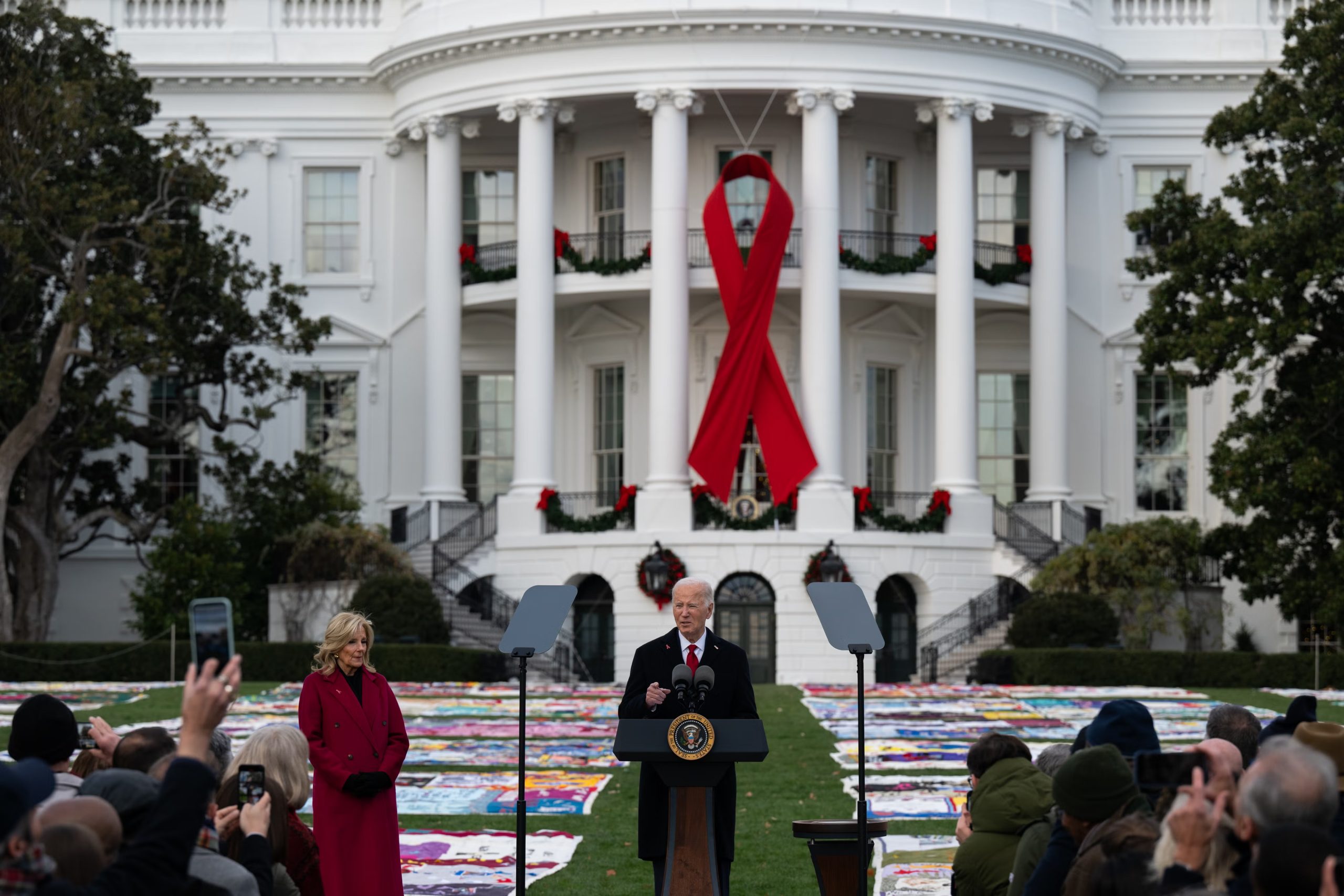 >
>
Reports suggest that the State Department has instructed employees and grantees to refrain from using federal funding to promote World AIDS Day through communication channels, including social media and public speeches. Personnel are permitted to attend external, locally organized events, but they cannot promote their attendance online.
The State Department defends its move by stating that “an awareness day is not a strategy” and that the U.S. is working directly with foreign governments to save lives. Fair enough, direct action is crucial. Yet, public awareness campaigns play a vital role in destigmatization, education, and resource mobilization. Can one truly replace the other? I’m not so sure.
From my perspective, having observed similar policy shifts in other sectors, this decision requires careful examination. Often, these types of changes reflect a re-prioritization of resources. Maybe the focus has shifted entirely to direct funding of research and treatment programs, which, of course, is essential. However, reducing public dialogue around HIV/AIDS could have unintended consequences.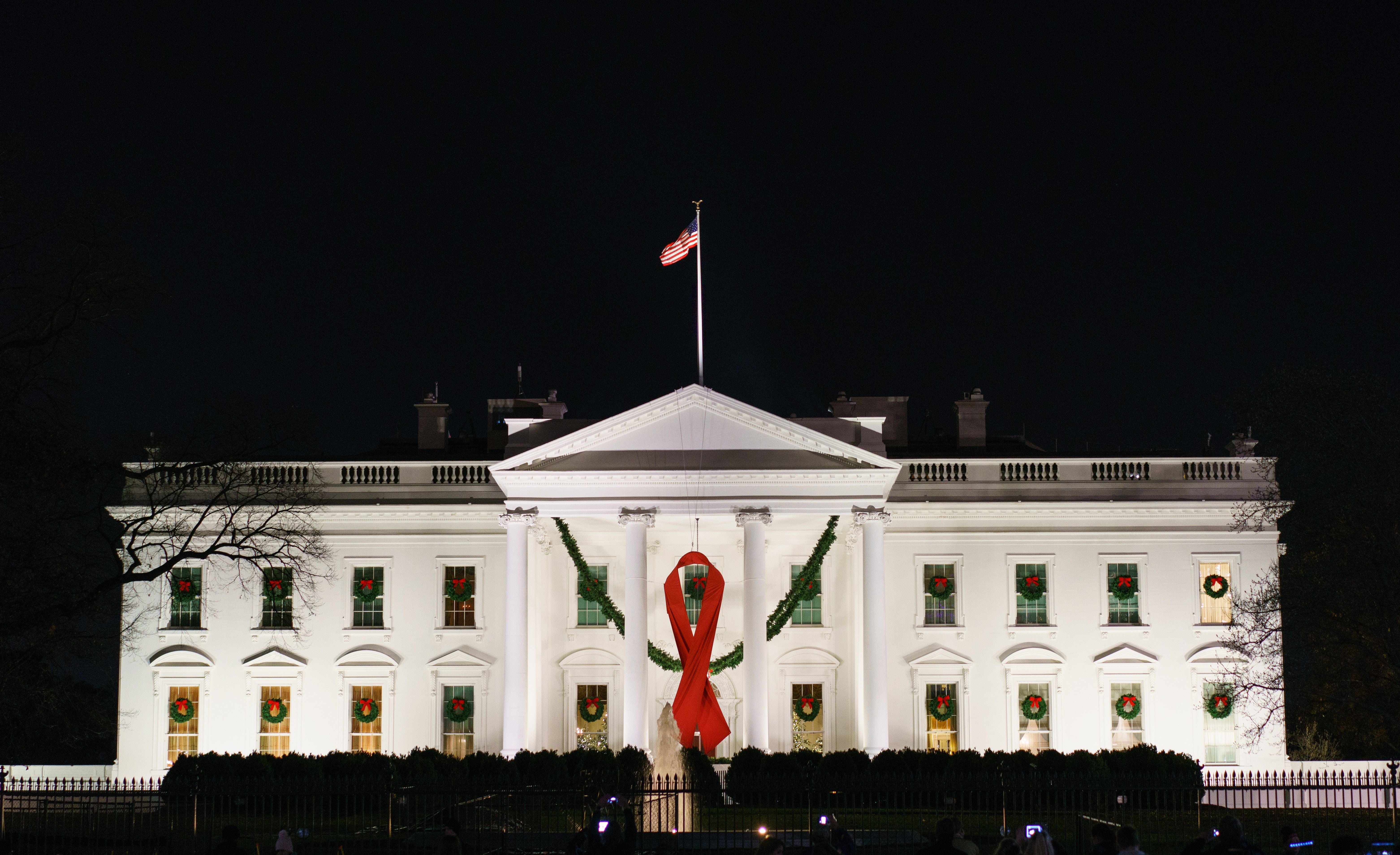 >
>
World AIDS Day has been an internationally recognized day to raise awareness for the AIDS pandemic and mourn those who have died since 1988. Former President Bill Clinton was the first U.S. president to mark the day with a Presidential Proclamation in 1993. If a presidential proclamation for World AIDS Day doesn’t happen on December 1st, this would represent a distinct departure from established norms.
The United States has been a major player in the fight against HIV/AIDS, largely through the U.S. President’s Emergency Plan for AIDS Relief (PEPFAR). Through PEPFAR, the government has invested more than $120 billion into HIV/AIDS response all across the globe, saving an estimated 26 million lives by preventing infection and supporting countries’ efforts to control the epidemic. Despite these substantial investments, the program experienced cutbacks this year after a temporary halt to all HIV-related funding.
This funding, managed through the State Department, shows real results. The program demonstrably saves lives, prevents infections, and strengthens healthcare systems. Even seemingly minor funding reductions can jeopardize global efforts to control HIV/AIDS, as UNAIDS recently flagged, reporting deaths and limited access to medicine tied to worldwide funding cuts.
It’s worth noting that earlier actions hinted at this shift. There have been instances of delayed or reduced funding for HIV/AIDS-related programs. These earlier actions, seen in the context of this recent announcement, paint a clearer picture: a possible shift away from public advocacy and toward other strategies.
In any case, a balanced approach is needed. We require sustained financial backing for treatment and prevention programs, along with initiatives that encourage conversations and dismantle the stigma associated with HIV/AIDS. Silencing the narrative, even unintentionally, might undermine all the advancements achieved.
The global health landscape is evolving, and strategies must adapt. Yet, awareness campaigns are important to supporting an effective response to HIV/AIDS. Industry watchers will closely watch the long-term impact of this policy shift. Will it genuinely lead to greater efficiency in fighting the disease, or will it ultimately diminish awareness and slow down progress? The data, as always, will tell the real story.

![[post_title]](https://samony.com.ng/wp-content/uploads/2025/12/1764889481_Minnesota-schools-forced-into-lockdown-as-mountain-lion-roams-through-300x200.png?lm=6932138D "Mountain Lion Lockdown: Are Duluth Schools Ready for Wild Encounters?")
![[post_title]](https://samony.com.ng/wp-content/uploads/2025/12/Miley-Cyrus-Confirms-Engagement-To-Musician-Maxx-Morando-After-Four-Year-300x200.jpg?lm=693214BF "Miley’s Engaged: Is This What True Love in Hollywood Looks Like Now?")



![[post_title]](https://samony.com.ng/wp-content/uploads/2025/12/Ruben-Amorim-provides-details-on-Matthijs-De-Ligts-injury-300x169.jpg?lm=6931FE5C "Youth Opportunity or Tactical Risk: Navigating United’s Defensive Void")

![[post_title]](https://samony.com.ng/wp-content/uploads/2025/12/Cruzeiro-explica-ausencia-de-zagueiro-contra-o-Botafogo-pelo-Brasileiro-1024x614.jpg?lm=69321AD8 "Cruzeiro Defender’s Absence Highlights Team Strategy and Player Well-being Trends")
![[post_title]](https://samony.com.ng/wp-content/uploads/2025/12/Bandits-strike-in-Kwara-abduct-2-Chinese-nationals-from-construction-1024x512.jpg?lm=69321B26 "Kwara Kidnappings: Banditry and Security Crisis Deepen")
![[post_title]](https://samony.com.ng/wp-content/uploads/2025/12/1764889481_Minnesota-schools-forced-into-lockdown-as-mountain-lion-roams-through-1024x683.png?lm=6932138F "Mountain Lion Lockdown: Are Duluth Schools Ready for Wild Encounters?")
![[post_title]](https://samony.com.ng/wp-content/uploads/2025/12/Miley-Cyrus-Confirms-Engagement-To-Musician-Maxx-Morando-After-Four-Year-1024x683.jpg?lm=693214BF "Miley’s Engaged: Is This What True Love in Hollywood Looks Like Now?")
