

Nigerian Football: Corruption Allegations and the Quest for Change
Yakubu Aiyegbeni’s recent revelations about alleged extortion within the Nigerian Football Federation (NFF) struck a chord. He isn’t the first to make such claims, and, sadly, won’t be the last. This isn’t just about the Super Eagles; these kinds of issues tend to trickle down, affecting player development and the overall integrity of the sport.
Aiyegbeni, a former Super Eagles striker, claimed NFF officials routinely milk players in the national team, referencing a Super Eagles training boycott during World Cup qualification play-offs in Morocco. He seemed to suggest the players were justified in their protest. >
>
He recalled a time when an NFF official attempted to withhold his ticket money after a competition in London. He and another player stood their ground and eventually received their dues. It’s worth pausing on that image: players physically confronting officials just to get what they were owed. That paints a pretty stark picture.
Now, these are allegations. But they resonate because they fit a pattern. We’ve heard rumblings about unpaid allowances, shady deals, and a general lack of transparency within the NFF for years. It’s a recurring theme that refuses to disappear.
The impact of these allegations shouldn’t be brushed aside. If players are constantly fighting for what they’re owed, how can they fully focus on the game? It creates a climate of distrust, hindering team cohesion and potentially affecting performance on the field. This challenge extends beyond the Super Eagles. Young players aspiring to join the national team might become disillusioned, questioning the fairness of the system. It could dissuade talented individuals from pursuing football altogether.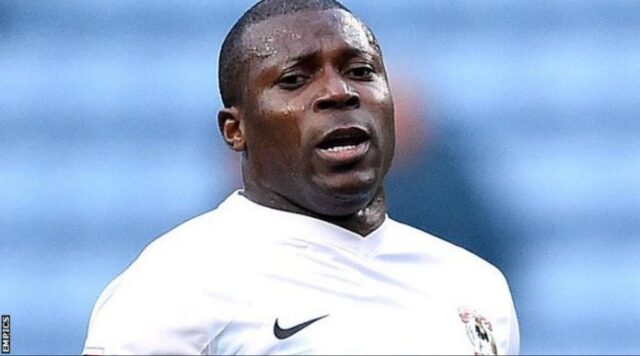 >
>
Consider the impact on grassroots football. If resources meant for development are siphoned off, it stunts the growth of young talents. Coaches at the local level struggle without adequate funding, and infrastructure remains underdeveloped.
How do we fix this? Well, throwing money at the problem won’t cut it. We need systemic change. Greater transparency in financial dealings is crucial. The NFF needs to embrace accountability, publishing detailed accounts of its income and expenditure. Independent audits can offer an additional layer of scrutiny, ensuring funds are used appropriately.
Player welfare should be a priority. Clear contracts that outline payment schedules and dispute resolution mechanisms are necessary. An independent body to advocate for player rights can help prevent exploitation. The NFF can learn from other football federations that have implemented successful governance reforms.
A shift in culture is also needed. Nigerian football needs leaders who prioritize integrity and fair play. This means fostering a culture of accountability, where corruption is not tolerated and those who engage in it are held responsible.
Given these facts, it’s imperative that the government, FIFA, and other stakeholders step in to ensure reforms are implemented. It requires a collective effort to clean up Nigerian football. The passion for the game is undeniable, and the talent pool is vast. But without good governance, that potential will continue to be squandered.
It’s easy to be cynical. We’ve seen reform promises come and go. Yet, we can’t afford to give up. The future of Nigerian football depends on it. Let’s not just talk about change; let’s actively work to make it happen. It’s time for action.

![[post_title]](https://samony.com.ng/wp-content/uploads/2025/12/Why-Does-Yogurt-Hurt-My-Stomach-300x169.jpg?lm=6931A158 "Yogurt Hurts Your Stomach? Here’s Why")
![[post_title]](https://samony.com.ng/wp-content/uploads/2025/12/FBI-announces-arrest-of-suspect-who-left-pipe-bombs-in-300x200.jpg?lm=6931A1B2 "Okay, they finally made an arrest in the January 6th pipe bomb case, but is something still off?")
![[post_title]](https://samony.com.ng/wp-content/uploads/2025/12/1764860569_Prince-Harry-makes-surprise-TV-appearance-as-father-in-law-in-intensive-300x158.jpg?lm=6931A29B "Prince Harry’s Colbert Cameo: A Calculated Move or Royal Overexposure?")
![[post_title]](https://samony.com.ng/wp-content/uploads/2025/12/1764854990_Police-officers-attached-to-VIPs-now-wear-suits-to-bypass-300x162.jpg?lm=69318CD2 "Nigeria’s VIP Security Dilemma: Reform and Resistance")

![[post_title]](https://samony.com.ng/wp-content/uploads/2025/12/Peter-Obi-reacts-to-distribution-of-2027-campaign-vehicles-for-1024x565.jpeg?lm=6931A32F "Obi Slams Tinubu’s Luxury Vehicles: Is Nigeria’s Trust Broken Again?")
![[post_title]](https://samony.com.ng/wp-content/uploads/2025/12/Why-Does-Yogurt-Hurt-My-Stomach-1024x576.jpg?lm=6931A159 "Yogurt Hurts Your Stomach? Here’s Why")
![[post_title]](https://samony.com.ng/wp-content/uploads/2025/12/FBI-announces-arrest-of-suspect-who-left-pipe-bombs-in-1024x683.jpg?lm=6931A1B5 "Okay, they finally made an arrest in the January 6th pipe bomb case, but is something still off?")
