

![[post_title]](https://samony.com.ng/wp-content/uploads/2025/11/1764200203_Johnny-Cashs-estate-takes-Coca-Cola-to-court-after-it-used-1024x683.jpg?lm=69278F13)
Johnny Cash Estate Sues Coca-Cola: A Deep Dive into Voice Cloning and Brand Responsibility
The estate of Johnny Cash is taking Coca-Cola to court, alleging the beverage giant used a sound-alike in a recent ad campaign without permission. The lawsuit, filed in Tennessee, claims that Coca-Cola exploited Cash’s iconic voice to boost their brand for the 2025 NCAA college football season, without seeking consent or offering compensation. The central argument revolves around a commercial featuring a singer whose voice mimics Cash’s distinctive tone. It begs the question: what happens when technology blurs the lines between inspiration and outright imitation?
This case isn’t just about money; it’s about artistic integrity and the growing challenges surrounding voice cloning and AI in advertising. Coca-Cola, a company well-versed in licensing agreements for using artists’ names, images, and voices, finds itself accused of sidestepping protocol. The lawsuit highlights Tennessee’s recently enacted “ELVIS Act,” which safeguards against unauthorized commercial use of an individual’s voice. Yet, I believe there is a question to be answered. Does hiring a tribute singer with the intent to capture Cash’s essence fall under this act, or is it simply clever marketing?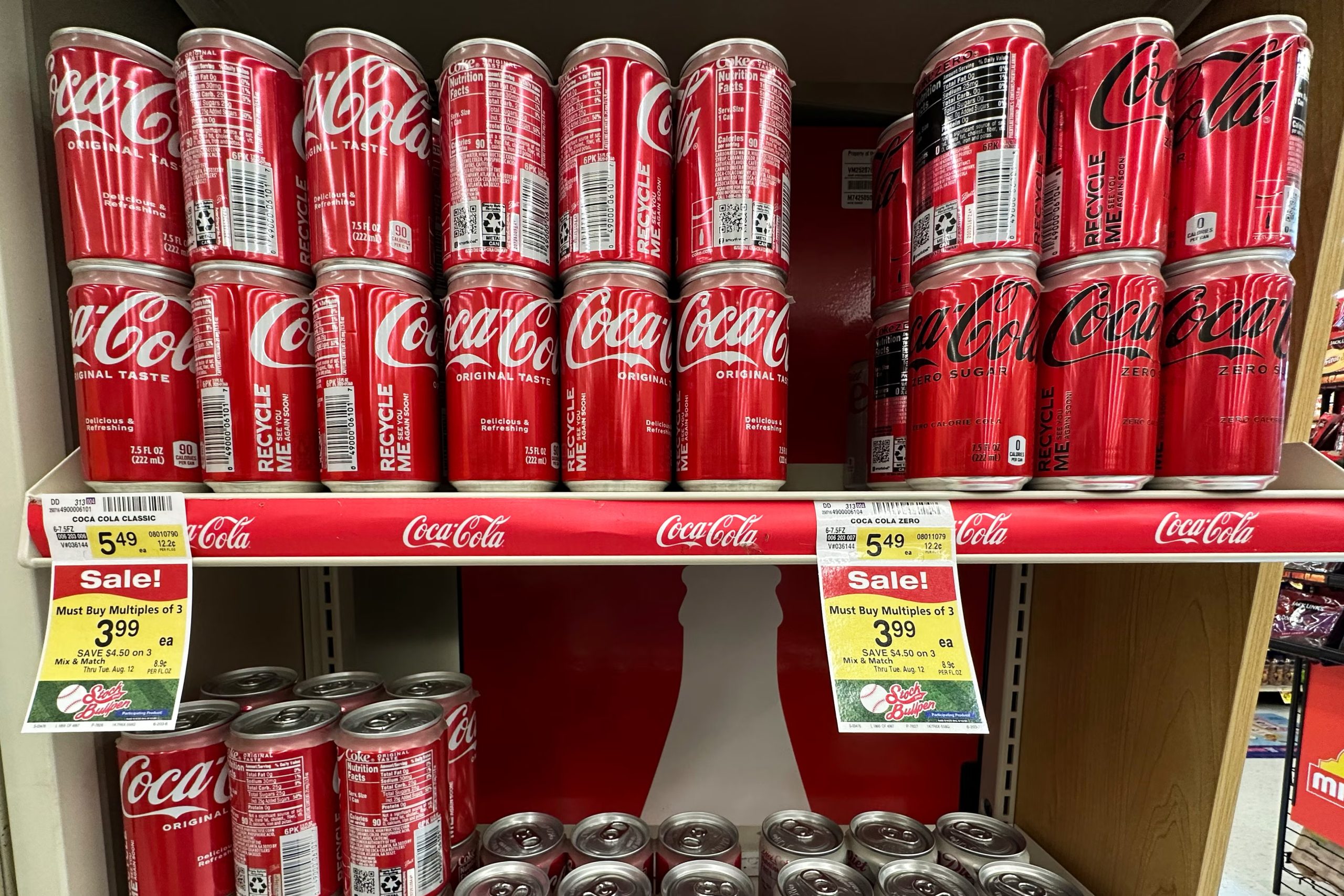 >
>
Having observed similar copyright battles, I’ve seen how tricky these situations can be. There’s often a fine line between paying homage and infringing on intellectual property. But the estate’s claim that Coca-Cola hired a tribute singer specifically to evoke the “goodwill associated with the Voice of Johnny Cash” certainly strengthens their case. This implies a deliberate attempt to capitalize on Cash’s legacy.
The potential implications for the advertising world are significant. If the court sides with the Cash estate, it could establish a precedent that demands greater caution when utilizing sound-alikes, especially when the intention is to leverage the recognition and goodwill of a famous voice. It could mean more stringent regulations and higher costs for ad agencies seeking to evoke specific emotions or associations through vocal mimicry.
Coca-Cola’s defense will likely center on arguing that the singer’s voice, while similar to Cash’s, isn’t a direct copy and doesn’t violate any existing laws. They might point to the fact that tribute singers exist, and their purpose is to emulate the style of famous artists. However, the lawsuit is not so much about the existence of the singer but the motivation of hiring them for this particular ad.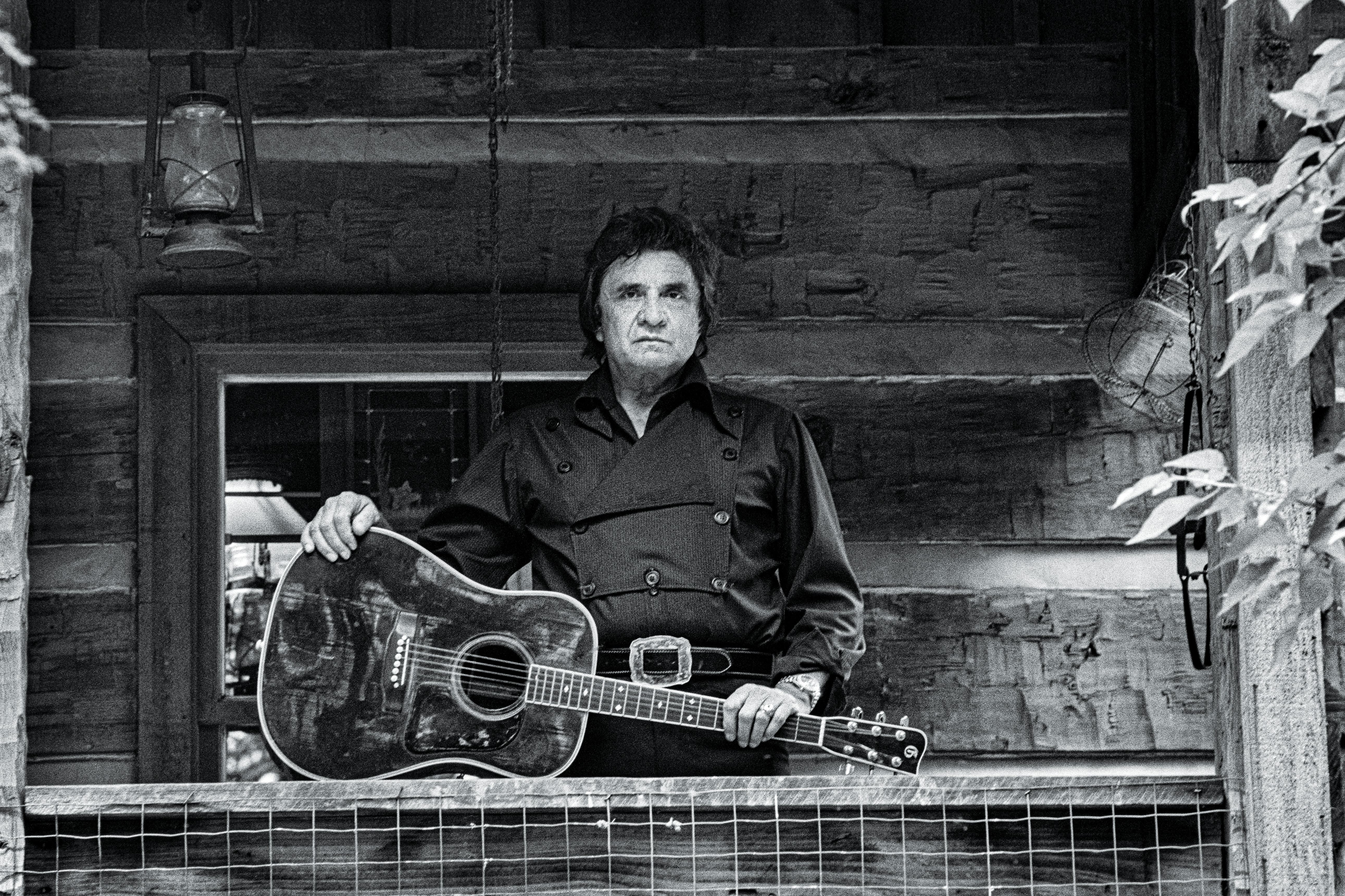 >
>
Consider this: Cash’s voice has only been licensed twice since his death in 2003, both times for Super Bowl ads. This suggests a deliberate strategy to protect and control the use of his voice, making Coca-Cola’s alleged actions seem even more audacious.
It’s worth considering the ethical dimension. Even if Coca-Cola didn’t technically break the law, did they act responsibly? When a brand intentionally creates an association with a beloved artist, especially one who is deceased, it raises questions about respecting their legacy and ensuring proper authorization.
The outcome of this case will likely depend on how the court interprets the ELVIS Act and whether they believe Coca-Cola’s actions constituted a deliberate attempt to deceive consumers into believing Cash was involved. But it also highlights the broader challenges that technology poses to copyright law. Voice cloning is becoming more sophisticated, making it increasingly difficult to distinguish between genuine recordings and AI-generated imitations.
This poses tough questions for artists and their estates: how do you protect your voice in the age of AI? Do you need to actively monitor and license your vocal likeness to prevent unauthorized use? And where do you draw the line between artistic inspiration and outright appropriation?
This isn’t just about Johnny Cash or Coca-Cola. It’s a sign of things to come. As AI continues to develop, we can expect more legal battles over voice and image rights. Protecting an artist’s legacy will require vigilance, clear legal frameworks, and a commitment from brands to act ethically. The “Man in Black” may be gone, but his voice and legacy are clearly still capable of stirring up a fight.
It’s a developing situation, but one thing is certain: the lines between originality and imitation are blurring, and the legal system is scrambling to keep up. The Cash estate’s lawsuit against Coca-Cola is a crucial test case that could reshape how brands approach voice and likeness in the future.
The suit emphasizes protecting integrity, identity, and humanity, raising concerns about AI’s effects on artistry. This is a critical issue, as AI-generated content becomes more common, and legal protections must evolve.
The court’s decision will be a landmark one, defining the scope of voice protection and setting a precedent for similar cases. Brands must exercise caution and respect for intellectual property to avoid legal and ethical pitfalls. This trial serves as a reminder of the importance of safeguarding artistic legacies in the age of AI.

![[post_title]](https://samony.com.ng/wp-content/uploads/2025/12/1764882403_Michael-Caine-appears-frail-in-wheelchair-as-he-greets-fans-300x158.jpg?lm=6931F7E5 "Michael Caine: Legacy at the Red Sea")



![[post_title]](https://samony.com.ng/wp-content/uploads/2025/12/Ireland-Spain-Slovenia-and-the-Netherlands-boycott-Eurovision-2026-after-300x200.jpeg?lm=6931F702 "Eurovision 2026: Will Israel’s Participation Spark a Mass Boycott?")


![[post_title]](https://samony.com.ng/wp-content/uploads/2025/12/Rheumatic-heart-disease-cases-drastically-reduced-in-North-West-Queensland.jpeg?lm=6931F72D "Big Win in Outback Fight Against Deadly Heart Disease? A Story You Need To See")
![[post_title]](https://samony.com.ng/wp-content/uploads/2025/12/Innovation-Minister-Udeh-Justice-Nnamani-others-champion-law-enlightenment-in-1024x793.jpg?lm=6931F7A4 "From Legal Theory to Street-Level Impact: Making Laws Live in Enugu State")
![[post_title]](https://samony.com.ng/wp-content/uploads/2025/12/1764882403_Michael-Caine-appears-frail-in-wheelchair-as-he-greets-fans-1024x538.jpg?lm=6931F7E6 "Michael Caine: Legacy at the Red Sea")
